The Story
Why it exists.
The beginning
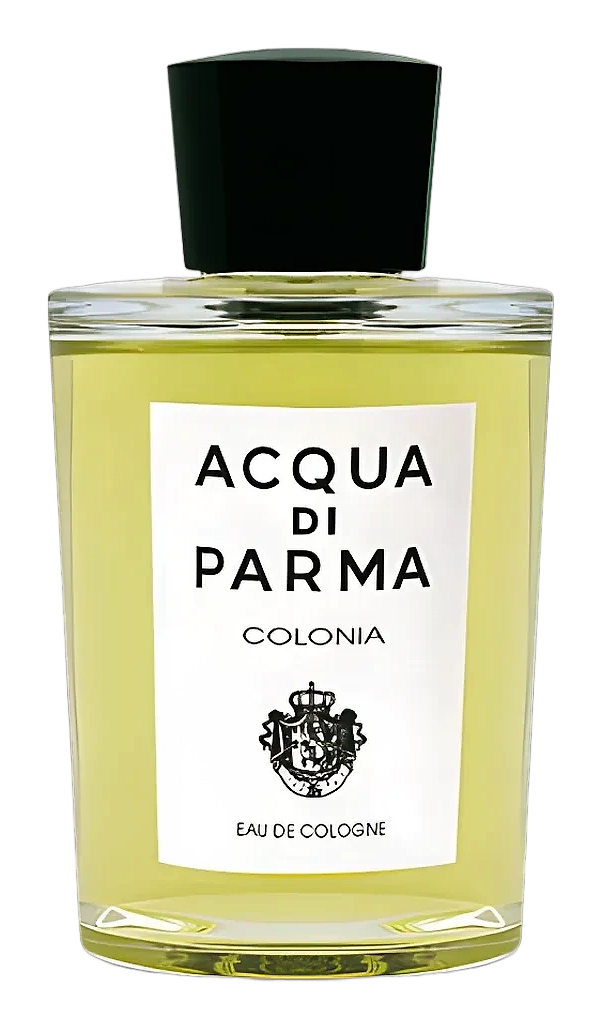
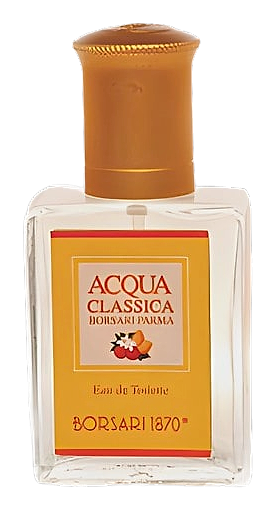
In 1880, Borsari released Acqua Classica di Parma, a reformulation of a fragrance that had come a century earlier from the shop at 8 via Cavour. Ludovico Borsari, the barber-turned-perfumer who understood the relationship between grooming and scent better than most, had spent years listening to what his clients in Parma actually wanted to wear. The answer, it turned out, was something that smelled like the region itself: bright citrus oils pressed from local orchards, cut with the herbs that grew along the Emilian foothills. Acqua Classica was his response, not a grand statement, but a considered one. The composition would go on to outlive trends, remaining in the house catalog not because of nostalgia, but because it worked.
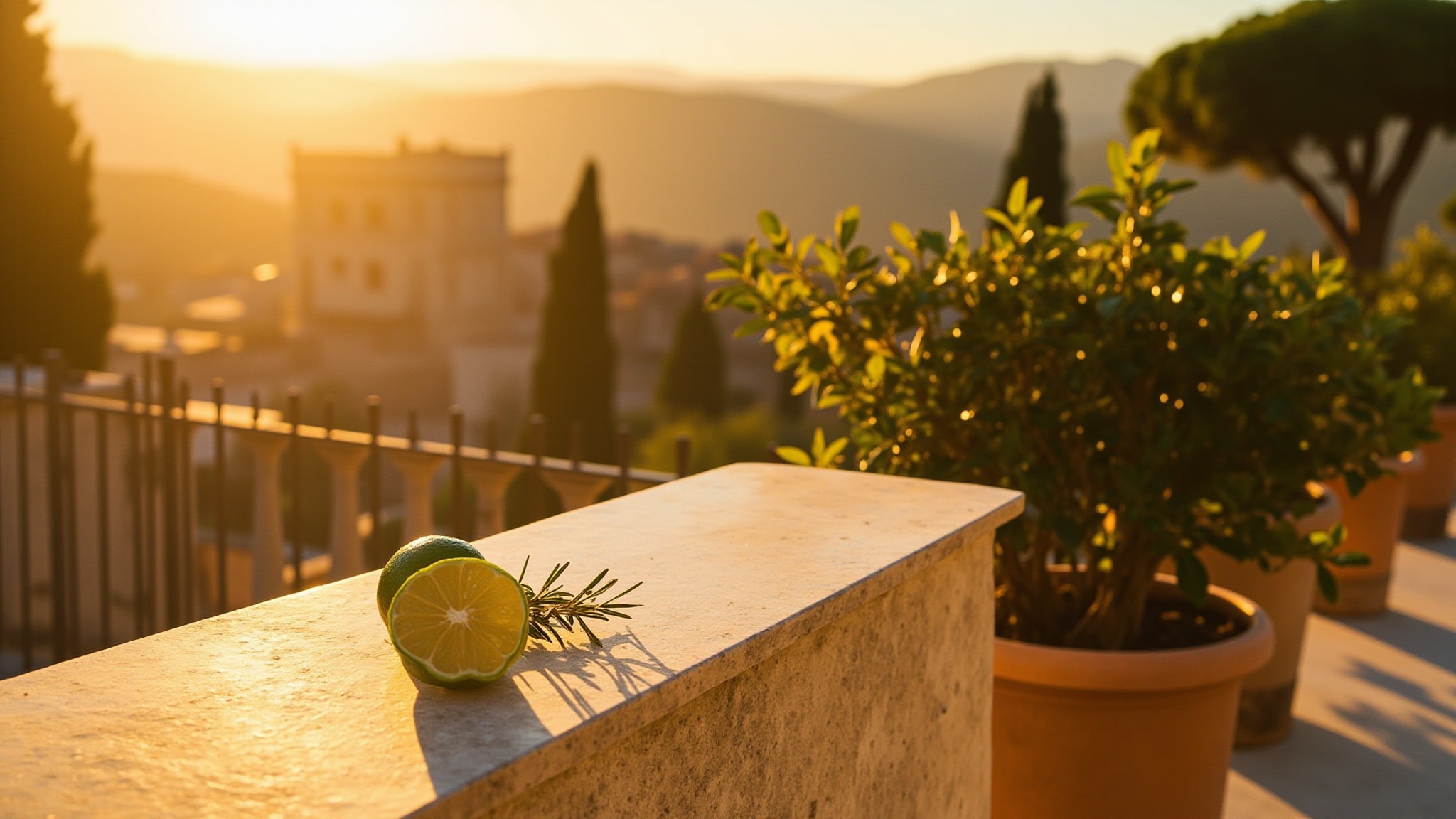
What sets Acqua Classica apart from the run of citrus fragrances is the rosemary and basil in the heart. These aren't background players, they're structural. The rosemary anchors the citrus brightness, preventing it from dissolving into pleasant nothingness. The basil adds a green, slightly peppery edge that keeps the composition honest. Ivy and oak in the base are unexpected choices, giving the drydown a tannic, slightly grassy quality that sandalwood and musk warm without sweetening. It's a fragrance that knows what it is: bright and herbal, Italian and assured, built for the kind of person who doesn't need to explain themselves.
The evolution
The opening hits immediately. Bergamot leads, cool, bright, with a slight peel bitterness, followed quickly by orange and lime. For about twenty minutes, it's pure citrus. Then the rosemary announces itself. Not softly. The green, slightly camphorated note takes over, and the composition shifts from bright to alive. The basil follows within minutes, adding peppery depth. The geranium in the heart doesn't announce itself loudly, it softens the herbal edge just enough to keep the fragrance from feeling like a seasoning. Ginger appears in the mid-drydown, lending warmth without heat. The base arrives slowly: sandalwood, then the unexpected ivy and oak, a green-wood quality that feels less like a typical fragrance drydown and more like the smell of actual outdoors. Musk provides staying power, but this is never a sillage monster. It sits close, develops quietly, and remains present for most of a workday.
Cultural impact
Acqua Classica di Parma occupies a particular space: it's citrus, which means it's accessible, but the rosemary and basil heart means it requires a certain willingness to engage with green, herbal aromatics. For those who love the Italian tradition of aromatic-citrus colognes, the ones that smell like a specific place, not a mood board, this is a reference point. It doesn't shout. It doesn't need to.