The Story
Why it exists.
The beginning
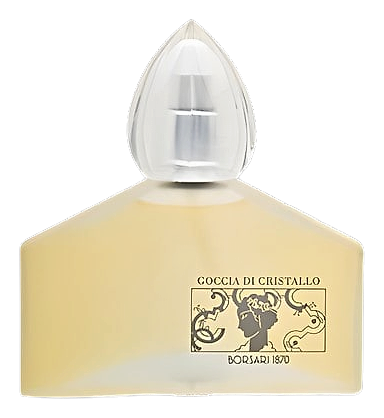
Goccia di Cristallo arrived in 1930 from Borsari, the Parma house. The composition reads like a single bead of light suspended in the air above a marble counter, opening with a bright squeeze of citrus zest that almost makes you blink. Bergamot and lemon peel provide the initial sparkle, and that citrus layer never fully disappears, instead threading quietly through the development like a thin gold wire. White flowers come forward next, with a soft, creamy quality that suggests orange blossom and a hint of jasmine tucked just behind it, never shouting, always whispering. As the hours pass, the citrus recedes further into the background and the floral heart takes on a slightly soapy, clean character, the kind that lingers on skin like fresh laundry left out to dry.
What makes this composition worth attention is the structural tension between the bright, almost aggressive citrus opening and the deeper amber-tonka base. Marigold is unusual in a women's floral, and it gives the top a herbal, slightly bitter edge that most citrus-led fragrances from this era lacked. Bay leaf in the heart reinforces that green character, pushing against the jasmine and rose rather than letting them run sweet. The base of oakmoss and Virginia cedar grounds everything with a mossy dryness that feels distinctly Italian rather than French. It is a composition that respects its white flowers but refuses to let them float untethered.
The evolution
The first thirty minutes are all citrus and brightness. Bergamot, grapefruit, Amalfi lemon, and mandarin arrive together, almost aggressively clean, with the pineapple adding a sharp fruit sweetness underneath. The marigold reads as a green, slightly metallic thread rather than anything floral. Then the white flowers take over. Jasmine and rose come in softened by lily of the valley, but the bay leaf keeps pushing back against the sweetness, adding an herbal almost-savory quality. This is the phase where the fragrance feels most alive, most specific. After the second hour the citrus fades and the base moves forward. Tonka bean and amber warm up the composition, while oakmoss and Virginia cedar create a dry, almost forest-floor texture underneath. The musk arrives quietly, pulling everything close to the skin. What remains after six hours is a soft amber-woody whisper with traces of vanilla and a persistent green undertone that refuses to disappear. It wears close rather than wide, intimate rather than declarative.
Cultural impact
Goccia di Cristallo arrived in 1930, a composition built around citrus and white flowers that positioned it firmly within a lineage of airy, luminous florals. The fragrance opens with a brisk citrus accord that reads almost like sunlight through sheer curtains, bright but never sharp, with bergamot and a softer lemon note providing the initial lift. As the citrus softens, a creamy white floral heart emerges, suggesting orange blossom and a delicate touch of jasmine, the kind of florals that feel more like a memory than a statement.