
The Story
Why it exists.
The beginning
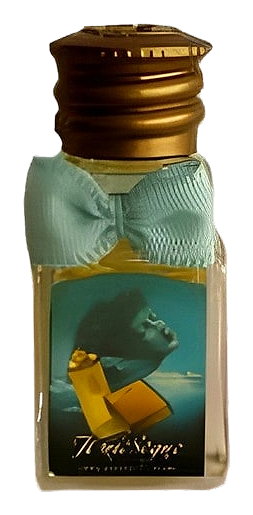
Acqua di Mughetti arrived in 1920, a composition from Borsari built around a single white floral note given center stage. The fragrance set out to capture that flower in its purest form, an eau de parfum distilled down to one essential idea rather than a layered bouquet. There are no competing ingredients, no dramatic top notes, no spicy lift to distract from the central thread. Just the quiet conviction of a house willing to let one flower carry an entire composition, treated with the kind of restraint that lets the raw material speak for itself. The result feels less like a constructed perfume and more like a thesis statement rendered in scent, where every drop commits fully to the same narrow argument from first spritz to final fade.
What makes a lily of the valley soliflore interesting is the note itself. The flower doesn't yield a natural essential oil the way roses or jasmine do. It has to be reconstructed in the laboratory from individual aroma molecules, which means every perfumer's interpretation carries a slightly different chemistry. Borsari's version reads green and dewy, threaded with a faint woody sweetness underneath, and that combination gives it a freshness that feels alive rather than static.
The evolution
The first hour is nearly motionless. The fragrance opens green and crystalline, almost crisp, the way cold water tastes before you realize you're thirsty. There's no citrus fanfare, no spicy lift. Just that cool white-floral hush settling against the skin like fabric, quiet and self-contained. As it moves into the heart, the green softens. The sharp chlorophyll edge rounds out into something creamier, a soapy sweetness that recalls fresh linens hung to dry in spring air. The accord pulls closer, becomes quieter, more intimate, as though the scent has decided it prefers proximity to performance. By the third or fourth hour, what's left is a skin-warm trace of white floral and a faint woody undertone barely rising above the skin's own temperature. It doesn't announce itself. It stays at conversational distance, the kind of scent someone leans in to catch, then remembers.
Cultural impact
Acqua Di Mughetti stands as a single-flower composition from Borsari 1870, released in Parma in 1920. It belongs to a long tradition of soliflore perfumery, compositions built around one botanical note rendered with as much fidelity as the medium allows. The fragrance takes lily of the valley as its subject and treats it with a directness that avoids the heavier, more opulent directions popular elsewhere at the time. Where other houses layered spices, resins, and animalic notes into dense bouquets, this composition holds to a narrow path, letting one white floral carry the entire structure.