The Story
Why it exists.
The beginning
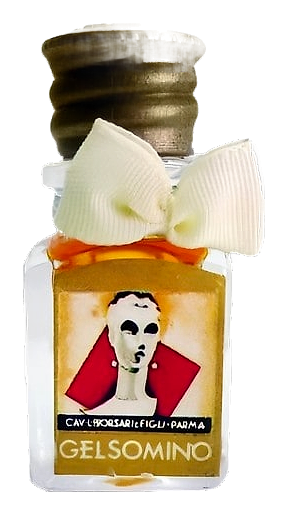
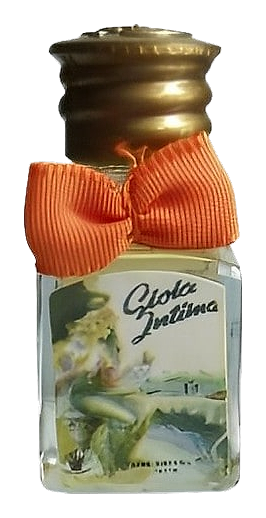
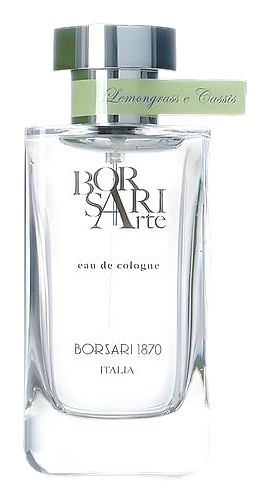
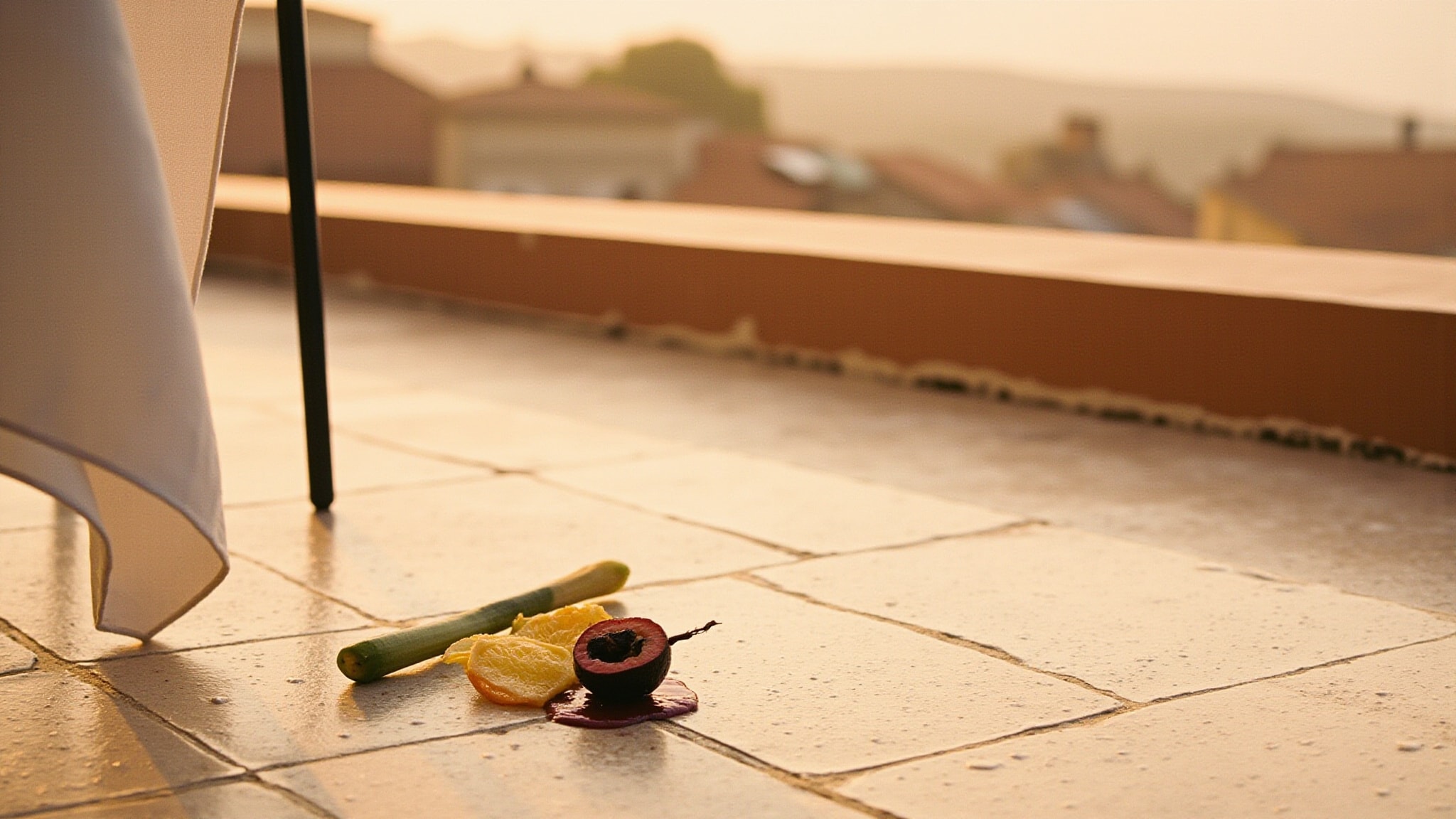
Lemongrass e Cassis arrived in 2010 as part of a Borsari collection that leaned into botanical pairings, each composition built around two named ingredients in dialogue. The cassis here is the dark, tart note that keeps the lemongrass honest. The lemongrass is the grassy, almost-green thread that keeps the cassis from turning into jam. Together they describe a specific kind of Italian summer. Not the postcard version. The real one, where gardens smell sharp in the morning and fruit bowls sit on every kitchen counter. The composition reads as a natural fit for a house whose name carries the year 1870, a pedigree suggested by the brand label rather than spelled out in marketing copy.
What makes the structure worth noticing is the restraint. The heart layers florals within the lemongrass framework, and the sources differ on the exact roster: one lists magnolia, lemongrass, jasmine, and peony, while another adds lily of the valley and rose to that list. Either way, the florals behave the same way. They form a soft bed for the lemongrass to rest on rather than a bouquet that competes with it. The cassis in the opening does most of the structural work, bridging the bright citrus top and the green herbal heart without any sharp pivot.
The evolution
The first ten minutes belong to grapefruit and bergamot, sharp and almost bitter, with peach rounding the edges into something that reads as juice rather than zest. Blackcurrant shows up fast too, giving the opening a darker, slightly tangy undertone that the citrus alone wouldn't have. By the thirty-minute mark the lemongrass arrives, grassy and almost savory, and the florals (peony, jasmine, rose, lily of the valley) settle in beneath it like soft fabric. The middle phase lasts longer than the opening, maybe two hours of gentle green-floral calm. The drydown is where the musk, sandalwood, and vanilla earn their keep. The vanilla doesn't go sweet. It goes warm, the way skin goes warm, and the sandalwood underneath keeps it from collapsing into something syrupy. What lingers past the three-hour mark is a soft, slightly creamy warmth, more skin-scent than perfume. On clothes the next morning, the vanilla and sandalwood are still there, faint but present, the kind of trace that makes you lean in.
Cultural impact
Lemongrass e Cassis wears easily across seasons and occasions, the kind of composition that fits into a daily routine without demanding attention. It appeals to people who want something that smells composed and natural rather than loud or trend-driven, the kind of fragrance that works whether you're heading to an office or spending a slow weekend morning. Within Borsari's catalog, the pairing of two named botanicals at the center of the composition reflects a recognizable house habit.