The Story
Why it exists.
The beginning
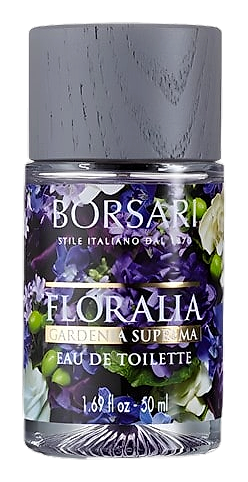
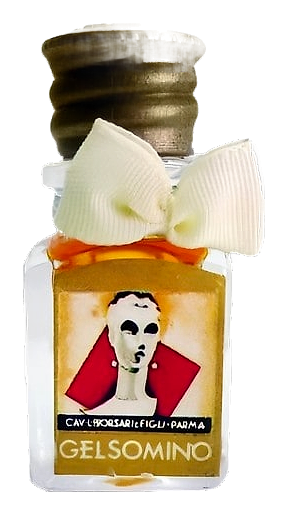
Gardenia arrived from Borsari in 1950, and the composition makes its priorities clear from the first impression. White petals, lactonic warmth, the green bite of a fresh-cut stem, all present and accounted for, with nothing ornamental layered on top. Gardenia was a straightforward expression of the house's floral sensibility: one flower, taken seriously. The petals register immediately, dense and full rather than sheer, carrying a creamy weight that suggests substance over diffusion. There's a vegetal snap underneath, the kind that keeps the composition tethered to the actual plant rather than letting it float into abstraction. The white floral accord dominates but never overwhelms, and the lactonic quality gives the petals a soft, almost buttery fullness.
What makes this composition worth attention is its commitment to the flower as a whole character rather than an idea. The lactonic accord gives it a creamy fullness, the texture of gardenia petals rather than their visual whiteness, and that creaminess lingers as a soft base beneath everything else. The animalic undertone adds the warmth that real blossoms carry: not clean, not pretty, but alive, and it threads through the composition like a pulse rather than a fixed note.
The evolution
The first spray lands green and bright, a quick lift of stem and leaf that cuts through the cream and announces the composition's intentions. The gardenia unfolds in the opening minutes, that dense white petal impression arriving with weight, lactonic and warm, filling the space around the wrist with a presence that doesn't need to shout. The animalic warmth rises gradually through the early wear, giving the floral a body temperature it didn't have at the start, a slow kindling that shifts the mood from fresh-cut to something more intimate. As the hours pass, the composition settles into a quieter creaminess, the green having receded and the lactonic note having softened into something closer to warm skin than cold petal. The floral still leads, but now it murmurs where it once spoke. The drydown lasts, stretching well beyond a full day's wear without losing its shape.
Cultural impact
Gardenia sits outside the fashion cycle. It was released in 1950 and never updated to chase trends, which means what exists today is what Borsari made then. That kind of continuity gives the fragrance a particular gravity. It's been worn for decades by people drawn to single-flower compositions that smell like the plant rather than an idea of it, and the appeal hasn't dimmed because the composition was never built around novelty in the first place. The gardenia speaks for itself: dense, creamy, green at the edges, warm at the center. It doesn't ask for attention so much as it rewards it.