
The Story
Why it exists.
The beginning
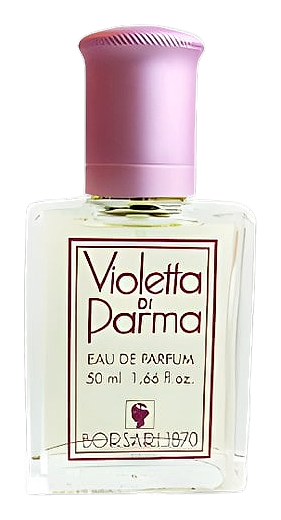
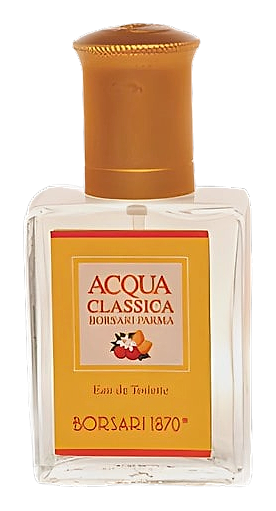
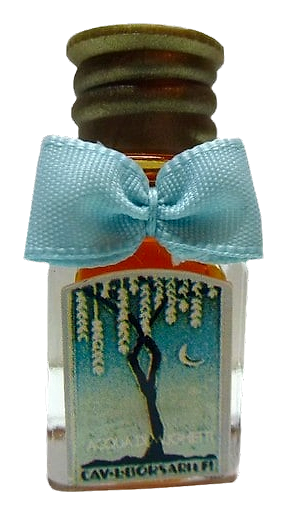
Bergamotto arrived in 1920 from the Borsari house in Parma. The fragrance is named for what it is: bergamot, a citrus fruit that perfumers had long recognized for its distinctive character. By the time of its release, Borsari had established itself as a working fragrance house, and Bergamotto reads as the kind of confident, uncomplicated release a house produces when it trusts its raw materials more than its marketing. The composition is direct in a way that feels almost deliberate, a single-note statement that refuses to dilute its central ingredient with ornamentation. There's a clarity to the release that comes through even now, over a century later, the kind of composition that doesn't age because it was never chasing trends in the first place.
What makes Bergamotto worth revisiting is its refusal to complicate itself. The composition leans entirely on the quality of the bergamot itself, trusting that one ingredient, handled well, can deliver more than a crowded formula. That trust pays off. Bergamot is a fruit with genuine depth, carrying bitter green-rind notes alongside sweeter pulp facets and softer floral undertones. The perfumer lets all of that complexity come through without smoothing it over or padding it out.
The evolution
The opening arrives loud and immediate. Sharp citrus hits the air within seconds, bergamot's sun-warmed rind cracking open with that distinctive green-peel bitterness right at the edge. There's no aldehyde lift, no sugary fruit cushioning. Just the fruit, direct. The initial spray delivers that burst of cold-pressed citrus oil, the volatile top notes escaping the skin in a quick, bright cloud that fades as fast as it arrived. Then it softens. Not dramatically, but the intensity drops into something more rounded, the bergamot losing its rind-sharpness and settling into the juicier, almost floral facet underneath. From there the fragrance moves into its middle phase, the part of the wear where the bergamot feels most like itself, that interplay between bitter peel and sweeter pulp, the green and the golden sitting side by side without one dominating the other.
Cultural impact
Bergamotto sits in the rare category of a citrus composition old enough to feel historical and simple enough to remain wearable today. The fragrance appeals to a specific wearer: someone who values freshness over statement, who wants their fragrance to feel clean rather than to announce itself. It reads as a quiet, confident choice for warm weather, office days, and anyone building a rotation around simplicity rather than complexity.