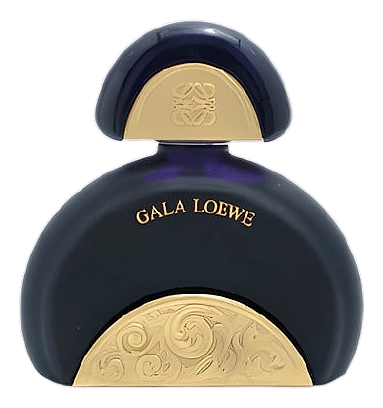

The Story
Why it exists.
The beginning
Jean-Pierre Béthouart designed Gala in 1991 as a study in contradiction. Aldehydes gave it the structure of something classical, bright, lifted, almost architectural. But the heart was anything but restrained. Jasmine and carnation bloom warm and slightly spiced, ylang-ylang adding a creamy depth that refuses to stay quiet. The base is where the fragrance commits: sandalwood, patchouli, and vanilla form a warm foundation, but civet and castoreum give it presence. Gala is the scent of someone who understands that elegance and animalic warmth aren't opposites.
What makes Gala interesting is the tension between its aldehydic structure and its animalic base. The aldehydes open sharp and clean, almost soapy in the best way, that classic aldehydic brightness that reads as timeless rather than dated. But underneath, jasmine and carnation bring a warmth that shifts the register entirely. Ylang-ylang adds creamy florality, and the rose is there but refuses to be precious. The base is substantial: sandalwood, patchouli, vanilla, benzoin, warm woods and resins, anchored by civet and castoreum. Those animalic notes are the tell. They give Gala its backbone and ensure it doesn't just smell beautiful. It smells alive.
The evolution
The opening hits immediately: aldehydes burst bright and soapy, with bergamot and green notes cutting through. It's the aldehydic signature, clean, lifted, present. Within minutes, the florals take over. Jasmine arrives realistic and sweet, carnation adds a faint spice, and ylang-ylang brings a creamy warmth that softens the structure. The rose is there but demure, tucked behind the jasmine. This heart phase lasts longest, two to three hours of warm florals with that slight carnation edge. Then the base arrives. Sandalwood and patchouli form the backbone, vanilla and benzoin add sweetness, amber warms everything. But it's the civet and castoreum that define the drydown. The animalic notes don't disappear, they deepen, settling into the composition like a secret. On skin, Gala projects strongly for the first three to four hours, then becomes intimate and close. It lasts eight to ten hours, and on fabric the drydown can linger into the next day.
Cultural impact
Gala arrived in 1991 with a proposition that hasn't aged: aldehydic structure meets animalic warmth. Where many aldehydic florals of the era stayed polished and polite, this one let jasmine and carnation bloom warm, then anchored the whole thing with civet and castoreum. The animalic base makes it a fragrance for someone who wants to be remembered, not just noticed. It's old-world in the best sense, something that wears like it knows exactly what it is.
The House
LoeweLoewe stands apart as a Spanish luxury house with a German soul. Founded in Madrid in 1846 by a collective of leather craftsmen, the brand took its name when German merchant Enrique Loewe Roessberg arrived in 1872 and unified operations under his banner. Today, under creative director Jonathan Anderson since 2013, Loewe channels its obsessive dedication to craftsmanship into a distinctive perfumery program led by in-house perfumer Nuria Cruelles, one of the few female noses heading a major fragrance house. The result is perfumes rooted in Spanish vitality, artisanal tradition, and an uncompromising pursuit of quality.
The Creator
Jean-Pierre BéthouartBéthouart's work tends toward warm, enveloping textures that linger close to the skin. He is particularly adept with contrasts between crisp top notes and creamy, almost powdery bases, a tension that gives his creations their characteristic push and pull.