
The Story
Why it exists.
The beginning
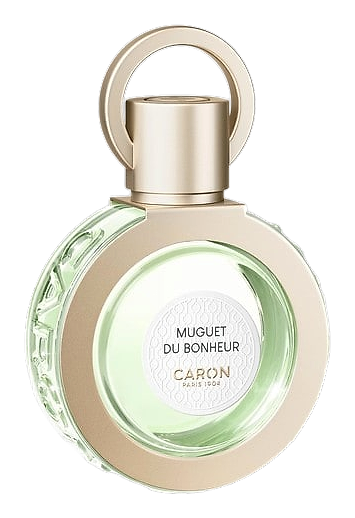
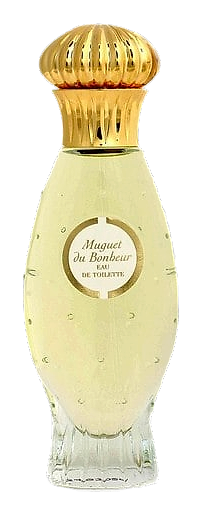
Michel Morsetti created Muguet du Bonheur in 1952 as a love letter to France's most beloved May flower, the lily of the valley, which has been gifted on Labor Day since Charles IX began the tradition in 1561. The name itself translates to "Lily of the Valley of Happiness," and Morsetti built the fragrance around that same quiet optimism. Rather than the heady, Narcisse Noir-level intensity the house was known for, this was something lighter: a cologne in the classical sense, bright and lifted, built for the hour when the air still carries dew and the city hasn't quite woken up. Bergamot, neroli, and orange blossom open the composition with an almost sparkling clarity, citrus that refreshes rather than shocks. Muguet du Bonheur wasn't trying to dominate a room. It was trying to make you happy.
What makes this work is the powdery base. Heliotrope has a distinctive quality, soft, almost edible, with a vanilla-almond warmth that could easily turn cloying. Morsetti kept it in check by grounding it with musk and sandalwood, creating a finish that stays close to the skin rather than projecting outward. The double dose of lily of the valley (top and heart) is unusual, most fragrances use it sparingly as an accent. Here it is the main event, which gives the heart a green, slightly dewy quality that prevents the florals from becoming heavy. The lilac and magnolia add a vintage French florist quality, the kind of bouquet you'd find at a Paris market stall in May.
The evolution
The opening arrives quickly: bergamot and neroli cut through bright and clean, the orange blossom adding a waxy, floral brightness that reads almost transparent. Thirty minutes in, the lily of the valley takes over, green, dewy, and more insistent than most muguet interpretations. The lilac and magnolia appear gradually, giving the heart a lush, vintage fullness. Then the base arrives. Musk and heliotrope create a powdery warmth that sits close to the skin, the sandalwood adding a quiet creaminess underneath. The drydown is intimate, this is not a fragrance that announces itself. It accompanies. On most skin types, expect 6-8 hours of wear, with the powdery drydown lasting longest. The sillage stays moderate throughout, never filling a room but never disappearing either. Vintage bottles have been reported as potent as modern eau de toilette, Caron's concentration reputation holds even in their colognes.
Cultural impact
Muguet du Bonheur occupies a rare position: a discontinued vintage that still circulates and still impresses. The 1952 launch date places it squarely in Caron's mid-century period, when the house was refining its signature approach of bold contrasts. Wearers consistently describe it as the scent of someone who walks into a room and doesn't need to announce themselves, quiet confidence that has aged better than most of its contemporaries.