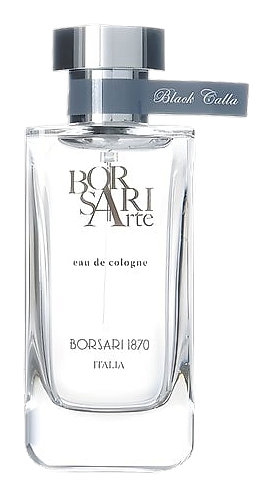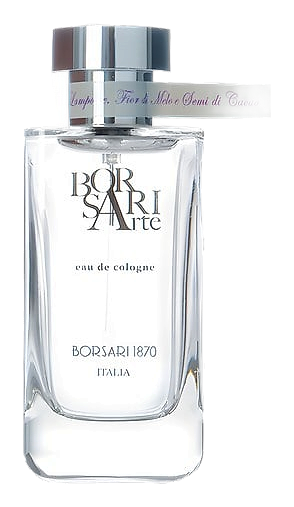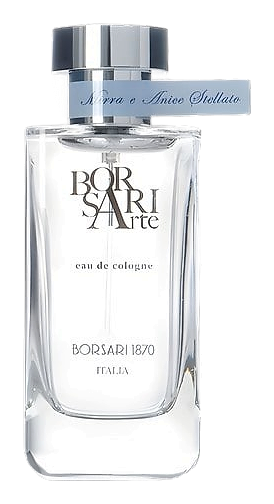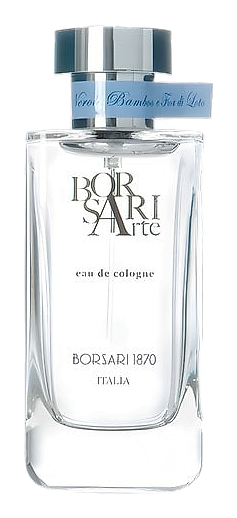
The Story
Why it exists.
The beginning
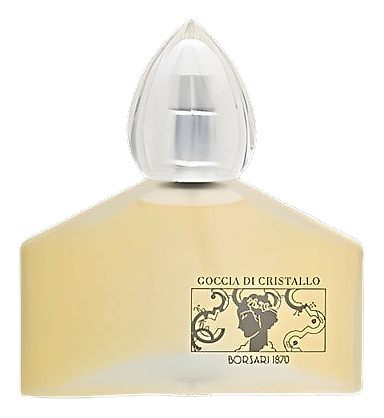
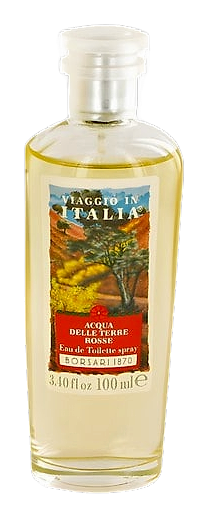
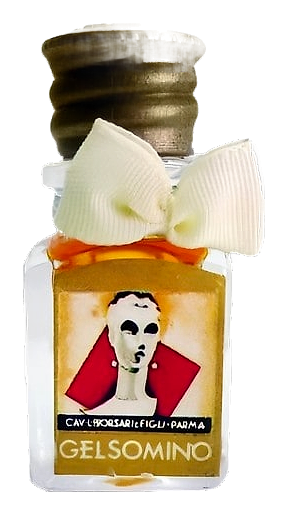
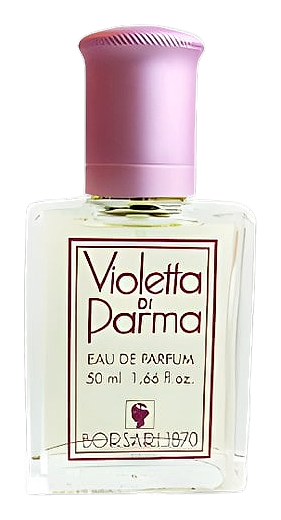
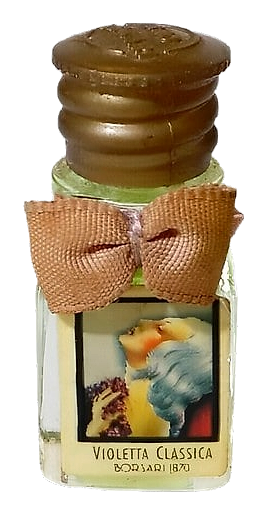
Violetta Classica arrived in 1928 from Borsari 1870, an Italian house already decades deep in its Parma craft tradition by then. The name itself is the brief: "classica" in Italian carries the literal meaning of classical, a nod to a style of violet perfume that had been the gold standard of European elegance since the late 1800s. Borsari built their version on Parma's signature flower, the violet that had become synonymous with the city's identity, and the earthy-green accord that real Parma violets carry when crushed between fingers. It was an unapologetically Italian answer to a French-dominated genre, released at a moment when Italian perfumery was asserting its own vocabulary of green, powdery, and mineral florals.
What makes this composition distinctive is the balance it strikes between green and powdery. Violetta Classica leads with the rawer side of the flower: crushed stems, soil, and the slightly metallic edge that real Parma violets carry before they're tamed by any sweetness. The powder comes later, settling in as a dry mineral dust rather than a cosmetic haze, and it never overwhelms the greener opening that defines the first impression.
The evolution
The opening arrives green and slightly sharp, like violet stems snapped between fingers. There's an earthiness that reads almost as root vegetable, mineral and raw, the kind of scent that makes you check whether something is growing nearby. As the composition breathes, the powder begins to surface, not as cosmetic sweetness but as dry mineral dust, the smell of old stone or dried petals crumbling. The green retreats gradually, loosening its grip note by note, and what remains is a soft, dusty violet that clings close to skin rather than announcing itself across a room. The drydown is where the composition gets quietly strange: a woody-violet murmur that doesn't project much beyond arm's length but refuses to fully disappear, settling into a private register that rewards close attention.
Cultural impact
Violetta Classica sits within Parma's centuries-old violet tradition, a regional association so strong that the flower and the city tend to arrive in the mind together. The composition positions itself as an artifact of that bond, a violet rendered in green and mineral tones rather than in the sweeter, more confectionary registers that florals often occupy. Wearing it feels like carrying a small piece of Parma's botanical heritage, less a fashion statement than a quiet nod to a place where this particular flower has meant something specific for a very long time.