
The Story
Why it exists.
The beginning
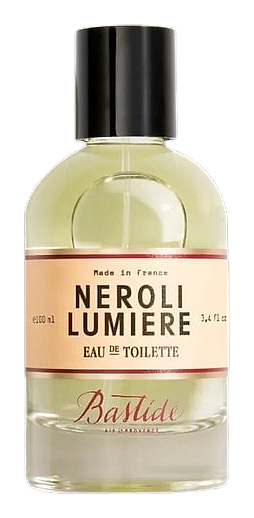
The neroli here is composed to feel like light given a botanical form. Orange blossom, sourced from the bitter orange tree, takes the leading position, and it carries that particular radiance you find in the flower at its most open, not the candied sweetness of petitgrain or the dusty dryness of dried petals. Mathieu Nardin built the composition with a cool frame around a warm heart. The citrus elements, Italian lemon and pink grapefruit, give the top its snap, sharp enough to cut through any impression of softness before the florals settle in. This is a fragrance trying to recall a specific quality of afternoon. The kind where the air smells like it was just peeled from a tree, still carrying something of the bark and the leaf alongside the blossom. There is nothing decorative about it.
What makes this composition work is the restraint Nardin brought to a category that often drowns in sweetness. Neroli and orange blossom both trace their origin to the bitter orange tree, but the two materials behave quite differently in a blend. Here they sit at the center of a cooler frame, and the structure around them does the heavy lifting. Italian lemon and pink grapefruit add a crisp, slightly bitter snap at the top, the kind of acidity that brightens without sharpening into anything aggressive.
The evolution
The opening is pure citrus, almost tart, and it announces itself with a clarity that suggests confidence rather than aggression. Italian lemon leads with a clean, sharp cut, pink grapefruit sparkles behind it with a slightly sweeter warmth, and the blackcurrant bud adds an herbal, green leafy edge that keeps the whole thing from collapsing into simple lemonade territory. There's a bitter-pithy quality underneath, the snap of citrus rind rather than juice, and it gives the opening its edge. Then the neroli arrives, and the composition shifts into a softer register. The orange blossom and jasmine sambac build together, not as a wall of white petals but as a gentle haze, sunlit and slightly creamy, with a warmth that feels close to skin temperature.
Cultural impact
Neroli Lumiere reads as a study in how neroli can be handled with discipline rather than abundance. Where many compositions in the orange blossom family lean into sweetness or sheer prettiness, this one holds back. It treats neroli as a structural material, a note to build around rather than a confection to pile on, and that choice gives it a presence that feels distinctive without ever becoming aggressive. The fragrance wears like light on skin, warm but never heavy, present without performance, and it reads as a personal signature rather than a statement meant for a room.