
The Story
Why it exists.
The beginning
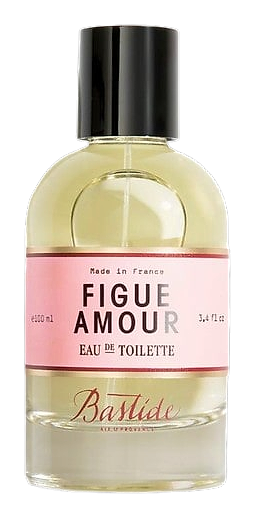
In 2018, Mathieu Nardin composed Figue Amour for Bastide, the Aix-en-Provence house that draws from Provençal botanicals and everyday rituals. The fragrance is a love letter to the fig tree, not the fruit. Those broad, sheltering leaves that turn a Provençal afternoon into a sieste. In France, nearly all figs come from this region, and the brand speaks of quiet intimacy with nature. Robertet, the perfumer, translated that moment into a composition where the fig note reads more leafy and cool than ripe or jammy. The perfume sits inside Bastide's broader project of bottling the sensory rhythms of southern France without turning them into a postcard. A fig tree, a hot afternoon, a moment of rest. That's the starting point.
What's interesting is how Nardin built the composition around restraint. Fig gets the heart, but it shares the stage with orris root and violet, both of which push the fig toward powdery and cool rather than sweet and sticky. The orris in particular does quiet structural work. It gives the fig a chalky, rooty undertone that keeps the whole thing from collapsing into fruit. Meanwhile, the pink pepper and cardamom at the top don't announce themselves as spice so much as a dry, slightly bitter brightness. Bergamot cuts through both layers like a blade of light. The base of sandalwood and musk isn't meant to anchor the scent in the traditional sense. It's meant to leave a trace.
The evolution
The first ten minutes are almost entirely citrus and spice. Bergamot hits bright and immediate, pink pepper adds a dry snap, and the cardamom threads something warm underneath. You wait for the fig and it doesn't really arrive yet. What shows up instead is a green, almost herbal coolness that reads more like crushed leaves than fruit. Around the 30-minute mark, the orris and violet start to take over, and the whole composition tips powdery. The fig is there, but it's fig-as-foliage, not fig-as-jam. Sweet, yes, but in the way that cool shade feels sweet after walking in sun. By hour three or four, the sandalwood and musk have settled into a close, skin-warm drydown. It's quiet now. The citrus is gone, the green is gone, and what's left is something that feels like the trace of the afternoon it came from.
Cultural impact
Figue Amour wears like a quiet insider reference. It rewards the kind of wearer who wants to smell composed rather than conspicuous. The fig note has been explored many ways in modern perfumery, and this sits among the cooler, greener, more restrained entries. Figue Amour stays on the foliage side of the tree, and it suits someone drawn to Bastide's broader project of bottling Provençal life without performing it. The fragrance reads as a study in restraint, leaning on orris and violet for a powdery hush rather than chasing the candied sweetness that figs can easily become.