
The Story
Why it exists.
The beginning
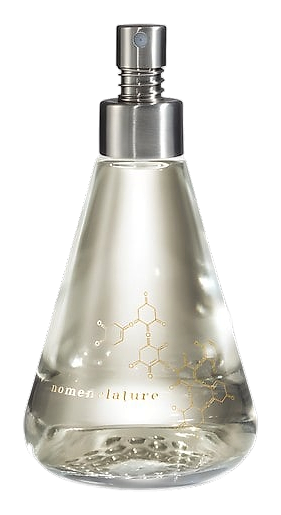
Efflor-esce began with a question: what if you could isolate the most radiant part of jasmine and build outward from there? Frank Voelkl chose Paradisone®, Firmenich's captive molecule, patented in 1996, and the purest expression of Hedione, as the foundation. The name itself nods to the concept: efflorescence, the period when a flower bursts into bloom. The brief was simple in concept, demanding in execution. Take the jasmine molecule that made Eau Sauvage legendary. Let it lead. Build an entire orchard around its light.
What makes Efflor-esce unusual is what it doesn't do. Most white florals push hard, tuberose goes narcotic, jasmine goes indolic, orange blossom goes syrupy. Paradisone® refuses that drama. It's the molecule that behaves like air: present but never heavy, diffuse but never diffuse. Osmanthus adds a suede-like apricot quality that softens the citrus edges. Tuberose is restrained, more whisper than shout. The result is a fragrance that smells like the concept of a garden rather than the garden itself, idealized, luminous, lifted by the molecular precision that makes it possible.
The evolution
The opening hits bright and immediate, bergamot's peppery citrus sparkle followed by neroli's clean floral freshness. There's an almost transparent quality here, like light through glass. Within the first hour, Paradisone® announces itself: a jasmine-like airiness that doesn't behave like any jasmine you've smelled. It's cleaner. Less complicated. More convinced of itself. The heart unfolds as the citrus settles and osmanthus emerges, the apricot-suede quality warming things without slowing them down. Tuberose appears in the background, adding body without the usual narcotic weight. By hour three, the composition has thinned to its quietest register: a skin-close whisper of white floral and citrus zest that still reads as fresh six hours in. On fabric, it ghosts. On skin, it lingers. The drydown is less a destination than a slow exhale.
Cultural impact
Efflor-esce arrived in 2015 as one of Nomenclature's debut releases, marking the brand's entry into molecular perfumery alongside its companion fragrance Adr-ett. The fragrance represented a pivotal moment in the niche fragrance landscape, demonstrating how captive molecules like Paradisone could replace traditional jasmine while achieving a comparable or superior effect. Its release coincided with growing consumer interest in synthetic fragrance materials, positioning Efflor-esce at the forefront of the molecular fragrance movement that challenged conventional notions of what natural ingredients could achieve.