
The Story
Why it exists.
The beginning
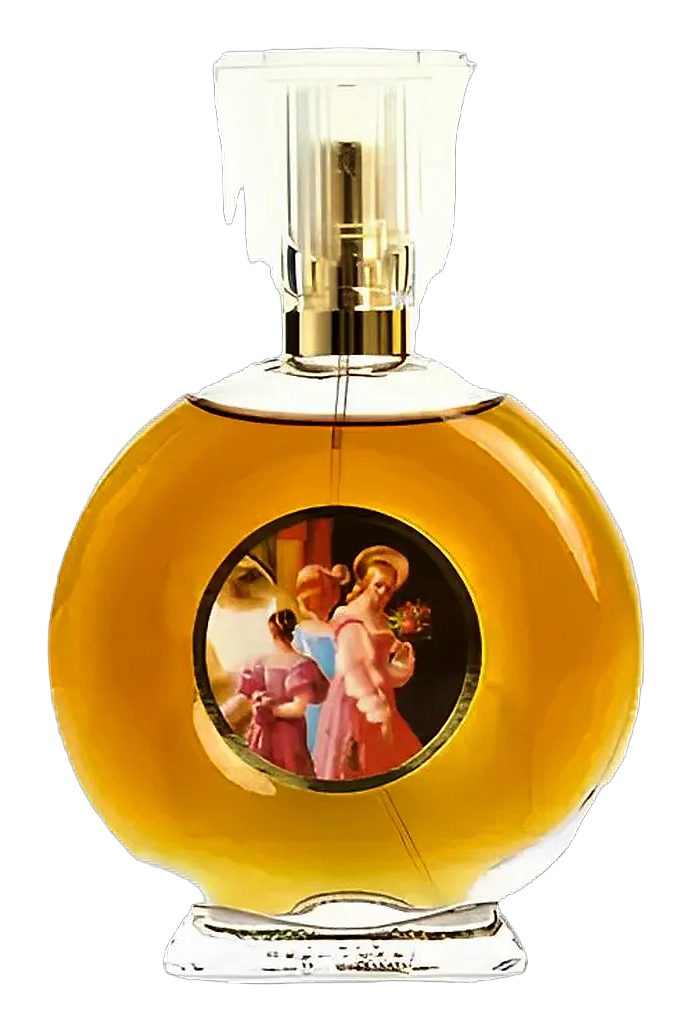
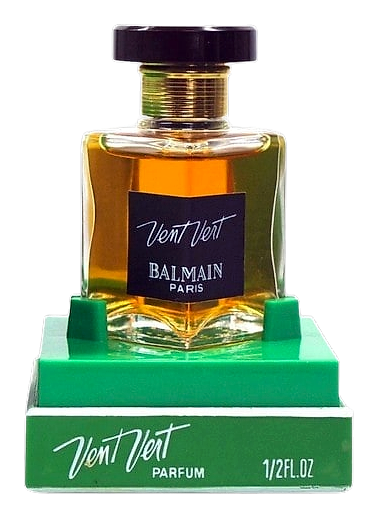
In 1947, Pierre Balmain asked Germaine Cellier to create a fragrance that felt like the sensation of opening a window in spring. The house had dressed women in couture gowns. Now it wanted to dress them in air. Cellier, one of the few female noses working in Parisian perfumery at the time, delivered something unexpected. Not a garden. Not a bouquet. The sharp, green smell of crushed leaves, cold air, and the first morning after winter. She called it Vent Vert. Green wind. It was a provocation in an era of heavy florals and orientals, and it worked.
What made Cellier's formula radical wasn't a single ingredient, it was the structure. Galbanum at the heart gave Vent Vert a green, almost bitter quality that reads like crushed leaves or unripe fruit rather than any flower. She stacked the heart with green florals, hyacinth, lily of the valley, geranium, but kept them cool and slightly astringent, never soft. The Narcissus appears twice, in top and heart, adding a honeyed-waxy depth that complicates the freshness. It's this tension between sharp green and powdery floral that separates the original from every fragrance it inspired. The classic chypre base, oakmoss anchoring sandalwood and musk, gives it staying power that pure green fragrances rarely achieve.
The evolution
The opening announces itself immediately. Violet leaf, bergamot, and a flash of neroli create a sharp green jolt that hits before you expect it. Within minutes, the Narcissus arrives, cool, slightly waxy, not quite floral, not quite anything else. Galbanum and basil take over the heart, pushing the composition toward something almost medicinal. Then the florals open: hyacinth's green-watery quality, geranium's rosy bite, jasmine's warmth underneath it all. The transition isn't gentle. Cellier's Vent Vert has a rough middle passage where everything fights for position. Then oakmoss settles everything down. The drydown is where the chypre structure finally reveals itself, cool, earthy, mossy, with sandalwood's cream and musk's skin-warmth underneath. It lasts moderate hours on most skin, projecting close once the green brightness fades. The next morning, something mossy and faintly floral still clings.
Cultural impact
Vent Vert didn't just launch a fragrance, it launched a category. In 1947, green meant orientals or chypres with a green edge. Cellier's version made green the point. The result shaped how perfumers approached freshness for decades. Eternity by Calvin Klein, Alliage by Estée Lauder, and countless modern green scents, Gypsy Water, hinode, exist because Cellier proved that sharp, botanical green could be a fragrance's entire identity, not just an opening act.