The Story
Why it exists.
The beginning
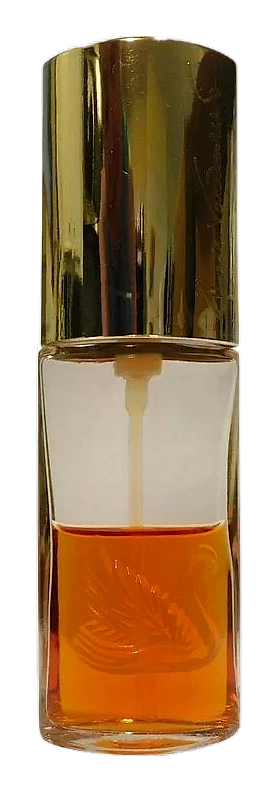
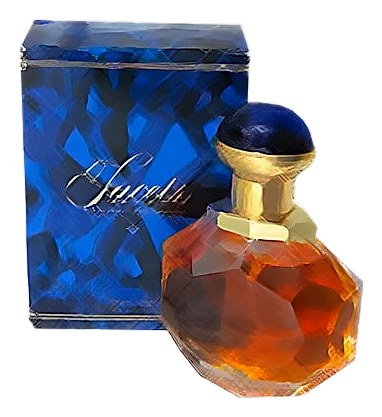
Ann Gottlieb built Facets in 1988, and the brief seems obvious in hindsight: a chypre floral with enough backbone to carry a woman through dinner, not just the commute. The name itself carries weight. Facets implies angles, light catching different sides of the same stone, and the juice lives up to it. The violet and labdanum up top offer a green, slightly sweet opening with a leathery undertow. The tuberose in the middle arrives dense and creamy, almost indolic, with jasmine threading through to add warmth. The frankincense, oakmoss, and sandalwood at the base settle in slow and smoky, pulling the whole composition toward something resinous and grounded. Nothing here is accidental, and nothing here is timid.
What makes the composition interesting is how deliberately Gottlieb stacked the chypre spine. Violet and labdanum on top give it that slightly sweet, leathery opening that classic chypres depend on. Then she reinforced the architecture with oakmoss and frankincense in the base, which gives the whole thing a smoky, almost liturgical weight. The tuberose in the middle does the heavy lifting, bridging the green-violet top with the resinous base. The jasmine supports the tuberose, adding warmth and a faint indolic edge that prevents the heart from feeling too clean.
The evolution
On skin, Facets opens with a brief flash of violet and labdanum, sweet and slightly medicinal, like the first inhale over a cup of black tea with honey. That bright green-violet moment is fleeting, but it sets the tone before the white florals roll in. Tuberose arrives creamy and dense, with jasmine right behind it adding that indolic warmth. The white floral heart holds through the early hours of wear, and this is where the fragrance announces itself. The tuberose carries a distinctive sweetness, the kind that makes people stop and ask what you're wearing. As the heart fades, the base starts pulling the composition downward. Frankincense surfaces first, smoky and resinous, then the oakmoss grounds everything with that dry, earthy chypre signature. Eventually you're in the close-to-skin zone, where sandalwood and musk do the quiet work.
Cultural impact
Facets occupies a specific place in the conversation around late-80s American perfumery. It belongs to that moment when chypre structure started showing up outside the European houses that traditionally owned it. The violet and labdanum opening, the resinous base, the way the tuberose anchors the heart, all of it signals a perfumer who understood the architecture she was working in. Among longtime collectors, Facets has a reputation as a fragrance that wears like it costs more than it did. The 1988 formula is the one people remember, and it's the one they look for when they find old bottles at estate sales or tucked into vintage collections.