The Story
Why it exists.
The beginning
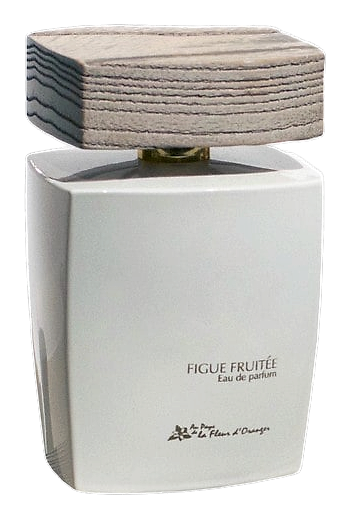
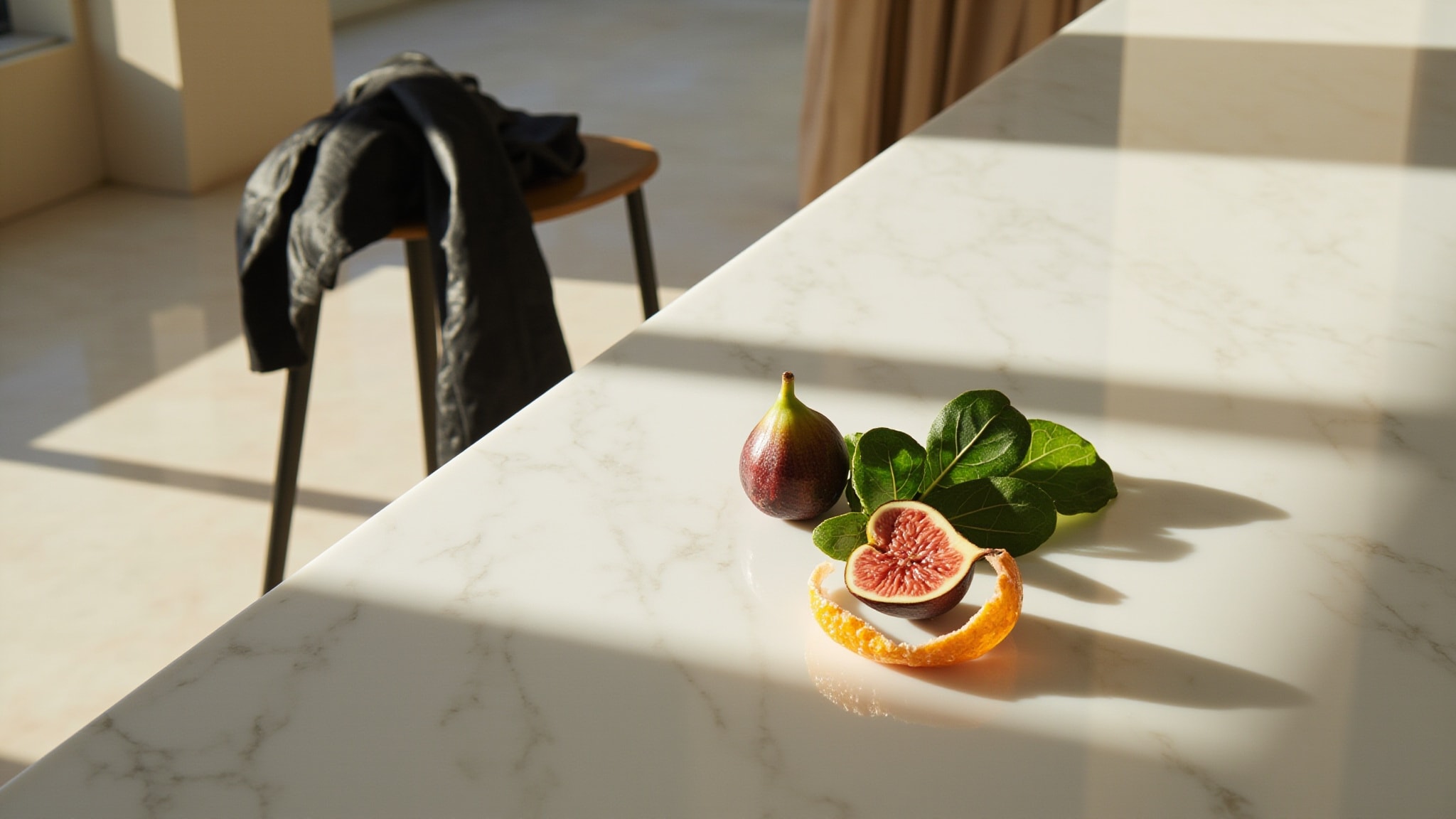
Figue Fruitee was created in 2013 by perfumer Jean-Claude Gigodot, who built the fragrance around fig as the lead rather than as an afterthought. The name places it squarely in the fruit register, but the composition pulls in another direction almost immediately. Fig opens against grapefruit and lime, a pairing that keeps the fruit bright rather than heavy, and the heart introduces cedar and green notes that pull the whole thing toward something drier. It is a fruit scent with a floor under it, composed for the moment when fig is ripe and the tree leaves still carry that slightly bitter green edge.
What makes this fig worth knowing sits in the tension between the milkiness of the fruit and the drier materials underneath. Cedar and green notes add a woody, vegetal bite early on, so the fruit reads as fresh and picked rather than candied. The base takes a different turn again. Benzoin lends a warm sweetness, leather adds a dry textural layer, and plum brings another fruit accord into the composition. Musks provide the final note, giving the scent a soft, subtle finish. Together, these notes keep the fig prominent while adding depth, dryness and a measured sweetness beneath it.
The evolution
The opening is the loudest part. Fig meets sharp grapefruit and lime, and the citrus keeps the composition from turning heavy, bringing a bright, sparkling quality to the fruit accord. As the fragrance develops, cedar and green notes gain presence alongside it, pulling the scent toward bark, leaf and stem. The character shifts again once leather and plum surface. That middle stretch introduces dry texture and a darker fruit dimension, with warm leather accompanying the fig as it takes on greater depth. Benzoin arrives as a low sweetness underneath, adding warmth without tipping into dessert. Musk completes the composition, leaving a soft, understated finish that remains faintly fruity but is far removed from the bright opening. In the drydown, the leather, plum and musk lend the scent a quieter character, so it reads as a memory of fig rather than fig itself.
Cultural impact
Figue Fruitee sits in the Les Inédits collection with fig established as its central subject. The fragrance builds a distinctive identity around the contrast between fig and sharp citrus, then complicates that brightness with cedar, green notes, leather, plum, benzoin and musk. Its composition offers several ways to experience the fruit accord: vivid and sparkling at first, then drier, warmer and more textured. Figue Fruitee rewards attention to the note relationships within it.
The House
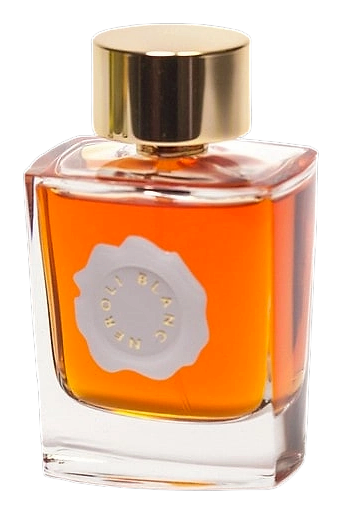
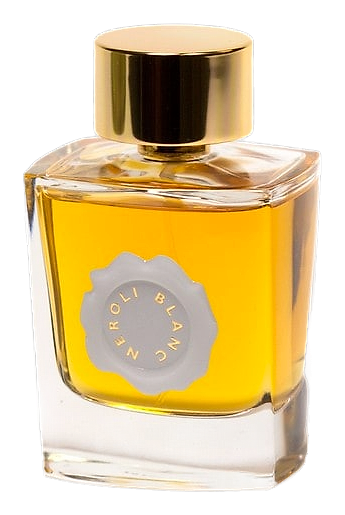
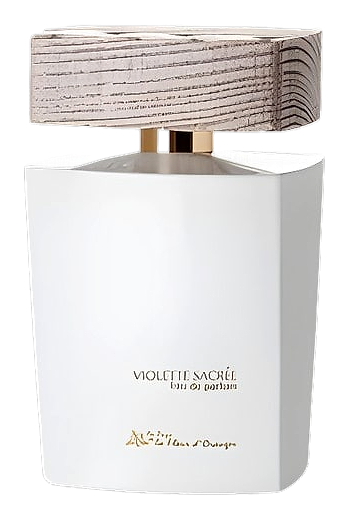
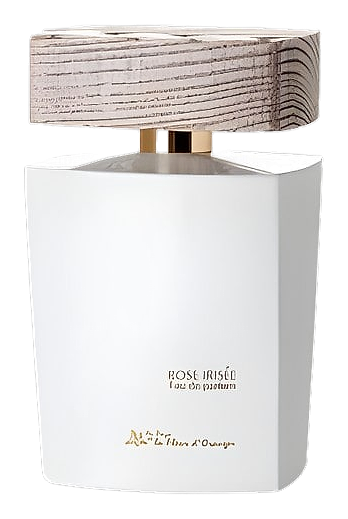
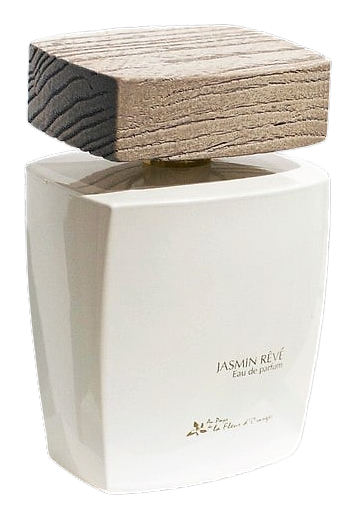
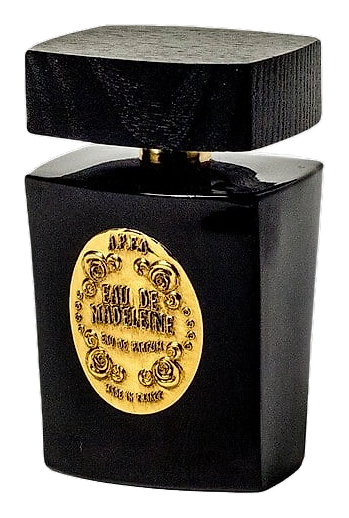
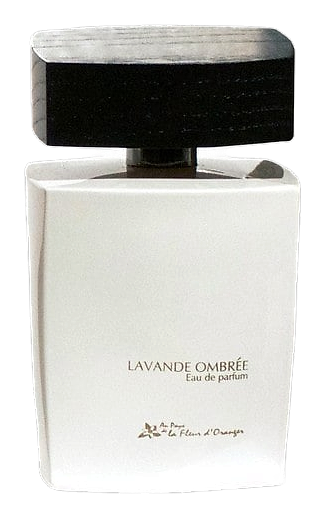
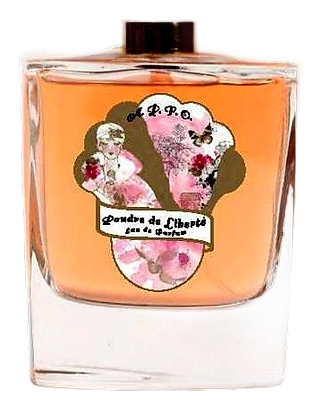
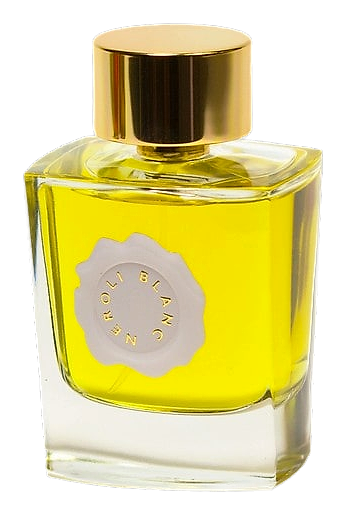
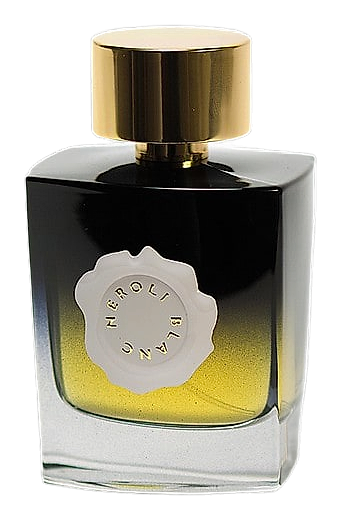
Au Pays de la Fleur d’OrangerAu Pays de la Fleur d'Oranger is a French niche fragrance house rooted in the flower fields surrounding Grasse, the historic perfumery capital of Provence. Founded in 1998 by Virginie and Antoine Roux, the brand emerged from a family tradition of cultivating perfume flowers that stretches back generations. The name translates to 'In the Land of the Orange Blossom' and reflects the region's emblematic bloom as well as the family's deep connection to Mediterranean floriculture. The collection includes dedicated scents for individual flowers such as violet, rose, jasmine, and lavender, alongside the house signature Neroli Blanc which has appeared in multiple concentrations over the years. As a family-run operation, the brand maintains a modest profile compared to larger fragrance houses, focusing on artisan quality and traditional methods rooted in the Grasse tradition.
The Creator
Jean-Claude GigodotGiven his training at De Laire, Gigodot likely developed expertise in working with classic aromatic materials and established perfumery techniques. His chemist background suggests attention to technical execution and material integrity.