The Story
Why it exists.
The beginning
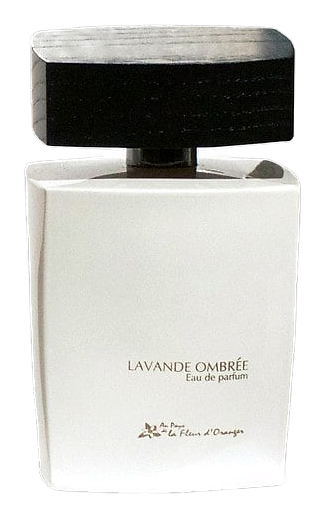
Ombree means shaded, the lavender at the edge of golden hour, not the bright midday bloom. Jean-Claude Gigodot built Lavande Ombrée around that idea: a lavender that darkens as it wears. The structure moves from the cool, almost medicinal opening of fresh herbs toward something warmer, closer to skin. Cedar, cinnamon, leather, each layer arrives without ceremony, settling in until the whole composition reads as one continuous arc rather than a sequence of notes.
The real tension here is that juxtaposition, lavender's pastoral innocence against leather's assertiveness. One minute you're in a field, the next you're somewhere considerably less wholesome. Cedar and cinnamon don't soften the blow; they deepen it, adding warmth to a fragrance that could have stayed crisp and chose not to. Patchouli and musk anchor the drydown into something animalic, intimate, the kind of scent that lives in fabric and skin rather than in the air around you. Gigodot doesn't let lavender get away with being polite.
The evolution
The opening arrives bright, bergamot and lavender hitting together, the herbs green and slightly camphoraceous. It reads clean at first, almost soapy. Thirty minutes in, the bergamot fades and something warmer pushes through: cedar and cinnamon, the rose barely there as a softening agent. The lavender doesn't disappear; it deepens, becoming less floral and more herbal, almost dusty. Two hours in, the leather announces itself. Not the sharp, chemical leather of synthetic accords, this one smells worn, broken in, like a jacket that's seen some use. Patchouli and amber build underneath, the musk keeping everything close to skin. By hour four, you're in the drydown: patchouli and leather, smoky and earthy, with just enough warmth from the amber to keep it from feeling harsh. Eight to ten hours total on most skin. On fabric, it lingers into the next day.
Cultural impact
Lavande Ombrée belongs to the Les Inédits collection from Au Pays de la Fleur d'Oranger, a house that consistently resists conventional masculine fragrance categories. The 2013 launch arrived during a period when niche perfumery was gaining mainstream traction, offering an alternative to predictable oriental masculines. Its leather-lavender composition challenged the citrus-fresh conventions of the era, positioning itself as a counterpoint to broadly marketed masculine scents. The fragrance found its audience among collectors who appreciated its rugged sincerity and lack of corporate polish. Its continued production suggests sustained demand, and it remains cited in discussions about gender-neutral fragrance design.