Heritage
A house, in its own words
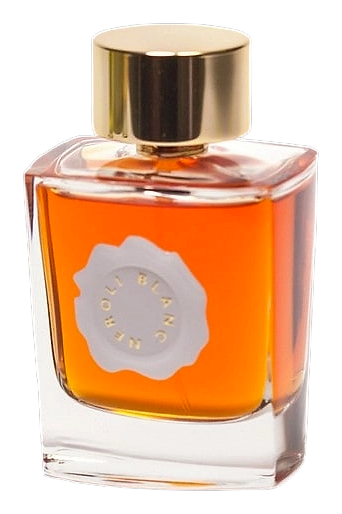
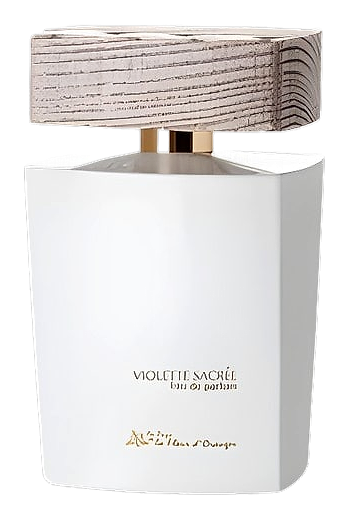
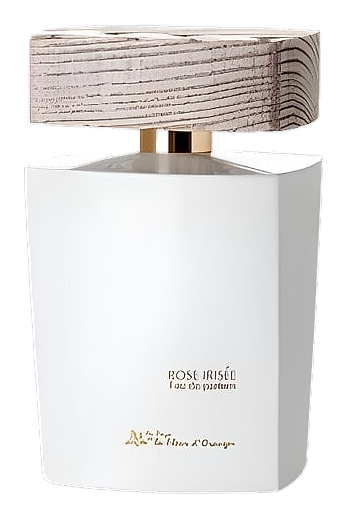
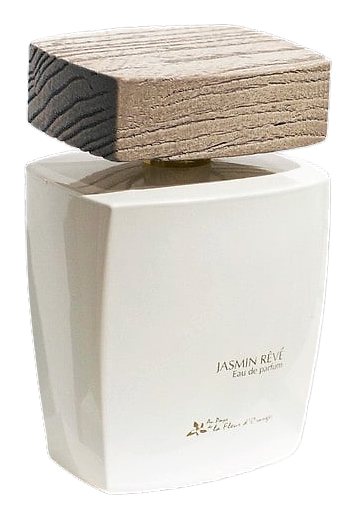
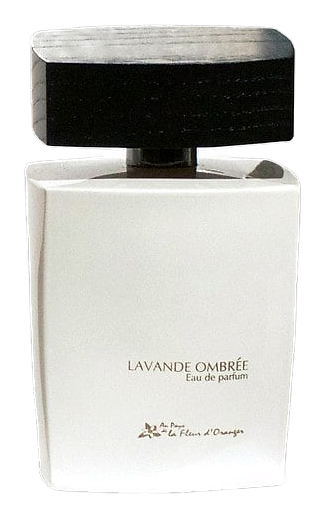
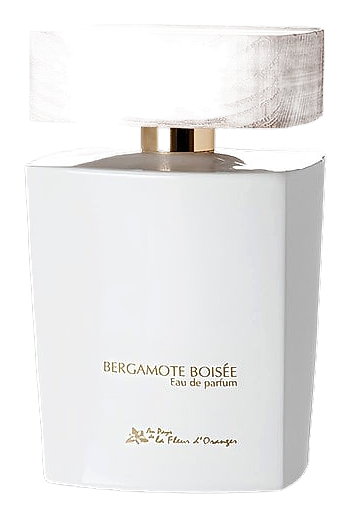
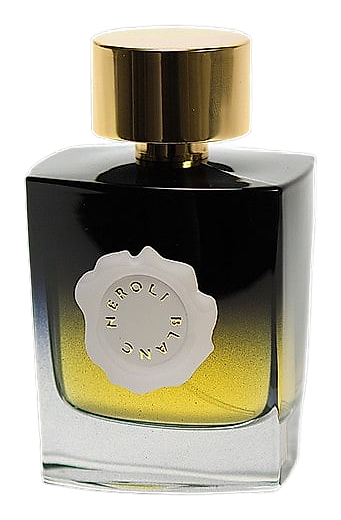
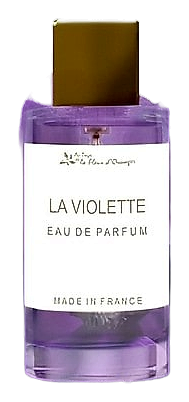
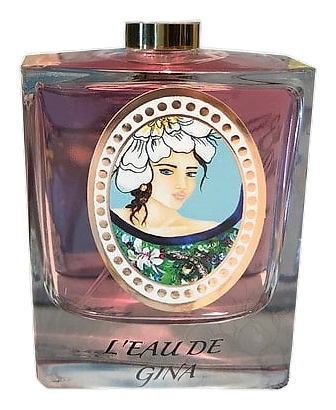
The story of Au Pays de la Fleur d'Oranger begins not in a perfumery laboratory but in the cultivated fields of Grasse, where the Roux family's involvement in perfume raw materials dates back several generations. Virginie Roux grew up surrounded by the region's flower farms, learning firsthand the labor-intensive process of cultivating fragrant botanicals that would eventually supply the great perfumery houses of France. In 1998, she and her husband Antoine Roux made the decision to transition from supplying raw materials to creating finished fragrance products, establishing the house as both a tribute to their heritage and a preservation of ancestral knowledge. The timing coincided with a renewed interest in artisanal perfumery and the Grasse tradition, allowing the family to position their expertise in raw material cultivation as a foundation for creative expression. Rather than outsourcing production, the family's background in cultivation shaped their approach to fragrance creation, emphasizing the importance of starting with quality raw materials. The house name itself references the region's iconic orange blossom, which has been central to Grasse perfumery since the industry first took root there in the 17th century. This reference serves as both a geographic marker and an homage to the botanical wealth that made the region synonymous with fine fragrance. Over nearly three decades of operation, the brand has expanded its collection while maintaining the intimate character of a family enterprise, avoiding the expansion into mass-market channels that often changes the character of heritage houses. The philosophy of Au Pays de la Fleur d'Oranger centers on honoring individual flowers as subjects worthy of dedicated fragrance compositions. Rather than treating floral notes as one ingredient among many in complex constructions, the house approach involves exploring what the brand describes as the essence of each bloom. This philosophy manifests in the collection's structure, where separate scents exist for violet, rose, jasmine, lavender, and orange blossom, allowing wearers to experience the character of each flower without competing accords obscuring their qualities. The brand reportedly views its role as translator between the raw botanical material and the final fragrance, preserving the integrity of the source while making its beauty accessible in wearable form. This approach aligns with the historical Grasse tradition, where master perfumers often specialized in working with particular materials, developing an intimate understanding that informed their creative choices. The family's direct connection to cultivation reportedly influences this perspective, as understanding a flower's growth, harvest timing, and character at different stages informs how it can be best represented in a fragrance. The philosophy extends to the brand's restraint in expansion, prioritizing depth of exploration over breadth of catalog, and maintaining the intimacy of the original vision.