The Story
Why it exists.
The beginning
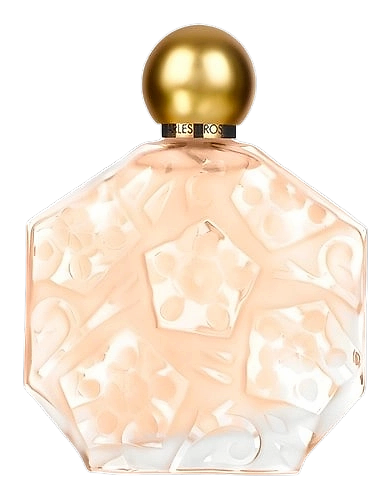
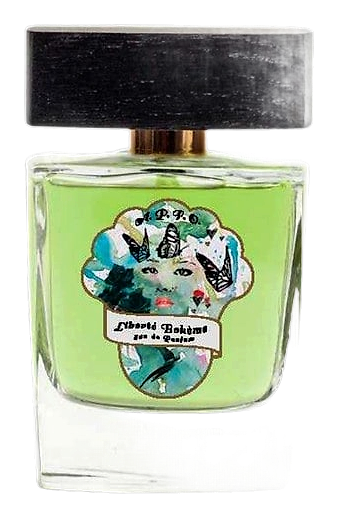
Liberte Bohème is a fragrance by Au Pays de la Fleur d'Oranger, the house that builds its collection around individual flowers, violet, rose, jasmine, each one explored as a singular subject. Jean-Claude Gigodot built it as a statement: freedom, bohemian spirit, the tattoo as metaphor for something permanent and personal worn against the skin. The official line calls it a creator's perfume, Virginie Roux's own signature, describing it as moving between masculine and feminine without choosing either. The name evokes bohemian freedom, the artist who belongs everywhere by belonging nowhere.
What makes Liberté Bohème structurally unusual is the jam note in the heart. Preserved fruit sits alongside jasmine and star anise, a sweet, slightly fermented quality that introduces an unexpected warmth into what might otherwise read as a straightforward white floral. Combined with the animalic base notes, this creates a fragrance that wants to smell like skin that has been wearing perfume for hours, not skin that just applied it. The rhubarb in the opening reinforces this: tart, green, slightly sour, the kind of note that reads as natural rather than constructed.
The evolution
The bergamot opens bright and citrus-forward, bergamot and rhubarb together create a tartness that doesn't sweeten. Green herbs arrive, grounding the citrus with something earthier. The jasmine announces itself early, insistent rather than gradual, and the water lily adds an aquatic softness that prevents it from becoming too heavy too soon. Rose de Mai appears as a whisper, blending into the jasmine rather than competing with it. The sweet-floral heart becomes fully established, the jam note comes forward, giving the composition a warm, slightly fermented quality that smells lived-in. The base arrives gradually: musk first, then sandalwood and cedar emerging together to create a creamy-woody foundation. Vanilla adds its presence to the drydown, contributing roundness and subtle sweetness.
Cultural impact
Liberté Bohème carries personal significance for its creator. The tattoo symbolism in the brand's own description positions it as Virginie Roux's personal statement, a fragrance-as-mark rather than a fragrance-as-homage. The white floral with an underlying strength appeals to those who want florals that don't apologize for existing. It occupies a space that feels both intimate and assertive, offering a different kind of presence within the house's catalog.