The Story
Why it exists.
The beginning
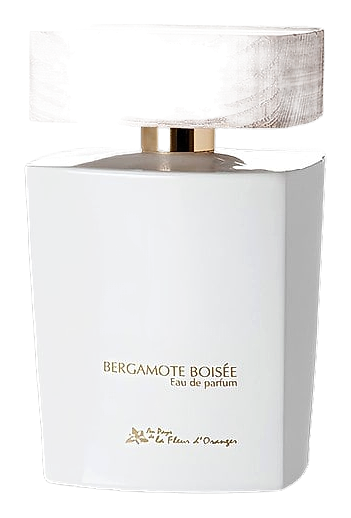
Bergamote Boisee translates, plainly, to 'Wooded Bergamot.' The fragrance opens with bergamot's characteristic brightness, that sharp, almost bitter citrus quality that announces itself clearly before transitioning. Cedar arrives with dry, woody warmth, anchoring the composition and preventing the citrus from fading into nothing. Oakmoss adds an earthy, mossy dimension beneath the surface, creating depth that becomes more apparent as the fragrance settles. Patchouli contributes its characteristic earthiness, providing a foundation that lingers long after the initial brightness fades. The overall effect is clean and direct: a citrus-forward fragrance that knows what it is, moving clearly from bright opening to woody base without unnecessary flourishes.
The heart of the composition introduces white blossoms that soften the cedar's arrival, adding a delicate floral quality that prevents the structure from reading as austere. These florals interact with the woody notes, creating a gentle counterpoint that becomes more apparent as the top notes dissipate. Oakmoss provides an earthy foundation that gives the fragrance depth and longevity, its forest-floor quality emerging more prominently in the drydown.
The evolution
The opening is bright. Bergamot and grapefruit arrive together, the grapefruit adding a slightly sharper edge that keeps the citrus from feeling decorative. Within ten minutes, cedar begins its slow takeover. Not aggressively, more like someone entering a room and simply refusing to leave. The white flowers appear as cedar settles, a waxy, resinous warmth from the labdanum that softens what could have been austere. This is the fragrance's most interesting phase: the tension between the citrus that opened it and the wood that now controls it. The honey announces itself in the base, but it doesn't dominate. It sweetens, it warms. Oakmoss and patchouli create an earthy undercurrent that keeps the drydown grounded, literally. Musk holds it close to the skin. By the final hours, Bergamote Boisee becomes intimate. You smell it when you move. Strangers won't catch it unless they're close enough to notice. The arc is honest.
Cultural impact
Bergamote Boisee occupies a particular space in the woody-resinous category: the fragrance that does one thing well. It opens, it settles, it stays close. Rather than demanding attention with layered complexity, it presents itself clearly and invites those nearby to lean in when they notice. The drydown has a classic quality that distinguishes it from contemporary compositions. The base develops across hours of wear, with oakmoss and patchouli creating depth that emerges gradually. White blossoms in the heart soften the cedar's arrival, adding warmth that prevents the composition from reading as austere.
The House
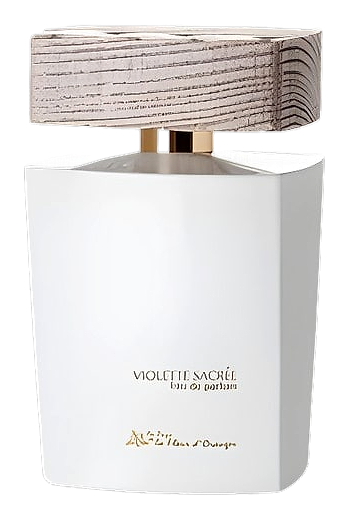
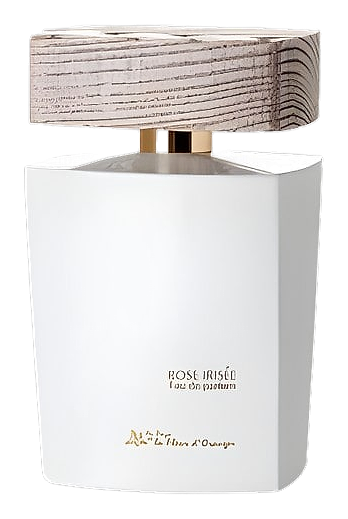
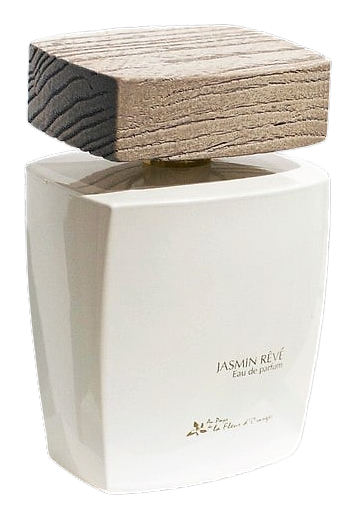
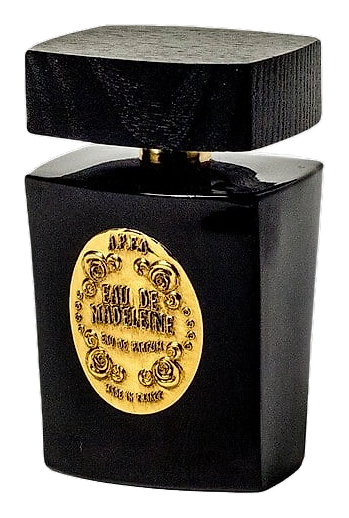
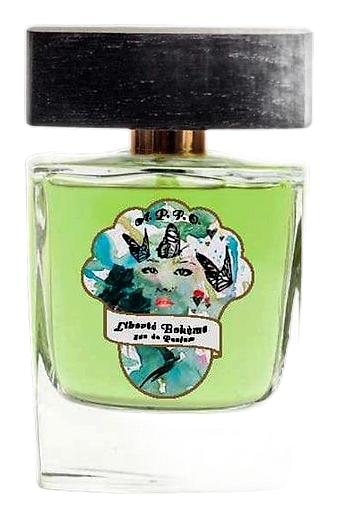
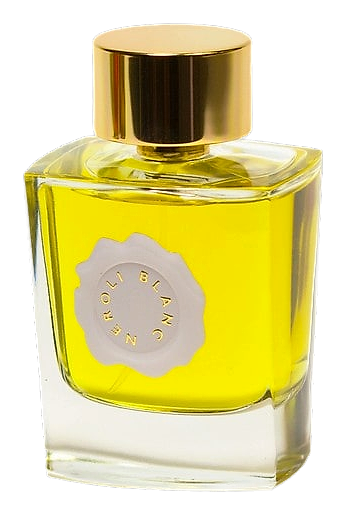
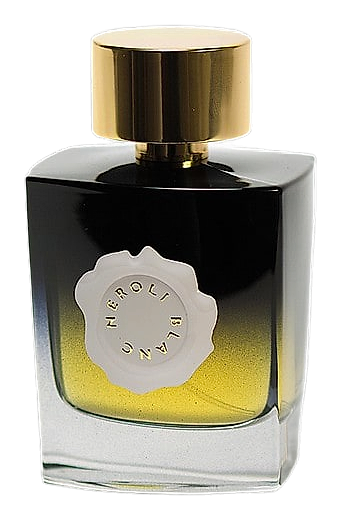
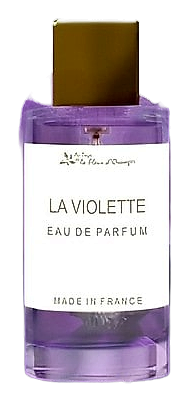
Au Pays de la Fleur d’OrangerAu Pays de la Fleur d'Oranger is a French niche fragrance house rooted in the flower fields surrounding Grasse, the historic perfumery capital of Provence. Founded in 1998 by Virginie and Antoine Roux, the brand emerged from a family tradition of cultivating perfume flowers that stretches back generations. The name translates to 'In the Land of the Orange Blossom' and reflects the region's emblematic bloom as well as the family's deep connection to Mediterranean floriculture. The collection includes dedicated scents for individual flowers such as violet, rose, jasmine, and lavender, alongside the house signature Neroli Blanc which has appeared in multiple concentrations over the years. As a family-run operation, the brand maintains a modest profile compared to larger fragrance houses, focusing on artisan quality and traditional methods rooted in the Grasse tradition.
The Creator
Jean-Claude GigodotGiven his training at De Laire, Gigodot likely developed expertise in working with classic aromatic materials and established perfumery techniques. His chemist background suggests attention to technical execution and material integrity.