The Story
Why it exists.
The beginning
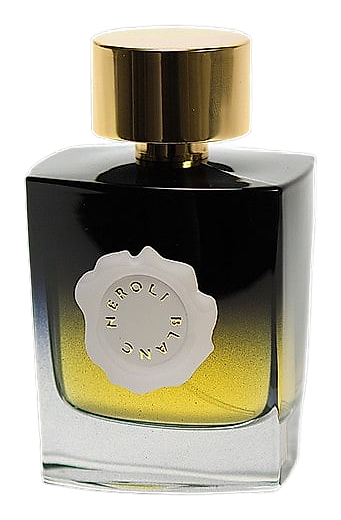
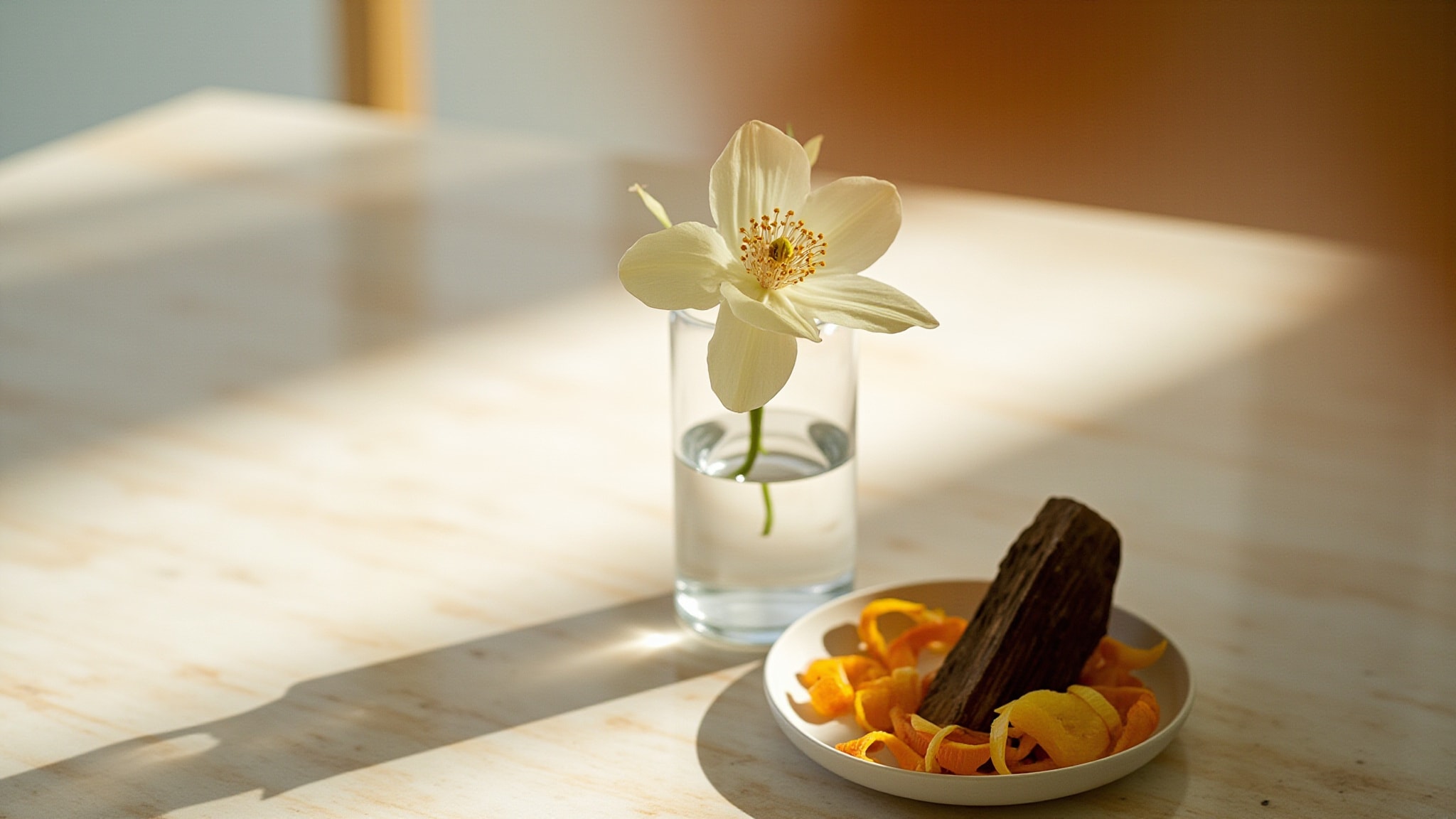
Neroli and oud. Two materials that exist in completely different sensory worlds, one all brightness and Mediterranean air, the other dense, dark, resinous. The kind of pairing that sounds like a mistake until it isn't. Jean-Claude Gigodot created Neroli Oud in 2015 for a house that builds entire fragrances around single flowers, which makes this particular combination even more deliberate. This wasn't a house expanding into oud because oud was trending. This was a perfumer asking what happens when you force a conversation between two incompatible languages and refuse to let either one win.
The oud doesn't smother the neroli. That's the whole point. It acts as a dark counterweight, a bass note that lets the white floral read as luminous rather than fleeting. Jasmine and rose keep the florals soft, preventing them from turning sharp under the oud's weight. Then the candied fruits add something unexpected: a warmth that edges toward edible, without ever crossing into food territory. It's this sweetness that makes the oud feel approachable rather than confrontational. The composition is built on tension, but the resolution is surprisingly gentle.
The evolution
The opening arrives clean and immediate, bergamot's citrus bite cuts through first, followed by orange blossom's unmistakable brightness. That first hour is all crisp air and sunlight. The neroli doesn't tiptoe in. It announces itself and holds the room. Then the transition begins. Somewhere around the 30-minute mark, the oud starts asserting itself, not replacing the brightness, but shadowing it. Jasmine enters the conversation with a soft, almost creamy presence. The rose is quieter, more structural, it keeps the florals grounded as the woody heart deepens. And there's that candied fruit note, present from early on, becoming more pronounced as the florals fade. It makes the middle phase feel warmer than you'd expect from a neroli composition. By hour three, the oud is in full command. The florals don't disappear, they linger at the edges, a memory of the opening. But the drydown belongs entirely to agarwood now: resinous, warm, intimate. On fabric, this phase stretches past midnight.
Cultural impact
The oud-and-neroli pairing sits at an interesting intersection in fragrance culture: those drawn to traditional white florals find something unexpectedly dark within reach, while oud enthusiasts discover a bridge into lighter, more approachable territory. It occupies space without aggressively claiming it. The 2015 launch placed it during a period when both ingredient families were gaining significant attention, though the house's positioning, rooted in Grasse craft rather than market timing, meant the fragrance arrived on its own terms rather than chasing a trend.