The Story
Why it exists.
The beginning
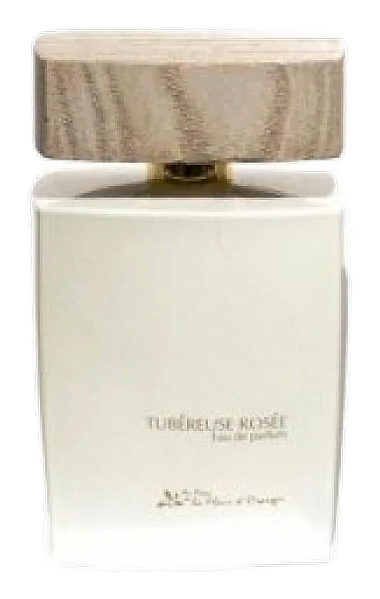
Tubéreuse Rosée arrived in 2013 from Jean-Claude Gigodot, a perfumer working within the Les Inédits collection at Au Pays de la Fleur d'Oranger, a house whose identity runs deep into flower cultivation. The brief was deceptively simple: give tuberose its own frame. No supporting cast to lean on. No competing stars to share the spotlight. Just a single nocturnal bloom, enormous and unmistakable, rendered in its full complexity. Gigodot built the scent around the flower's natural contradictions, its creamy sweetness cut by something darker and more alive. On skin, the opening carries a green, almost watery edge, like crushed stems releasing their sap in the first hours of morning, before the indolic richness blooms outward with that heady, almost carnal density tuberose is prized for.
What makes this composition distinctive isn't the tuberose itself; it's what surrounds it. Orange blossom at the top sharpens what would otherwise read as pure indulgence, adding a green, almost bitter edge that keeps the opening from collapsing into sweetness. The heart layers rose and jasmine with violet and tea, pulling the tuberose into something more complex than a soliflore but never letting it disappear. And the base, with its animalic and solar notes, pushes the whole composition toward warmth that feels worn rather than applied. It's a study in how a single flower can be both ornament and animal, depending on what you place beside it.
The evolution
The first thirty minutes feel like walking into a garden at dusk. Orange blossom opens bright and almost candied, but there's green underneath, something alive and slightly sharp that keeps it from reading as dessert. Candied fruits and exotic notes push the sweetness forward without letting it dominate. The transition into the heart happens quietly, over about an hour. Tuberose arrives fully formed, creamy and thick, then jasmine and rose settle in beside it. Violet adds a powdery coolness that softens the edges. Tea does something unexpected here, pulling the composition toward something more contemplative, less floral-showpiece and more lived-in. By the third hour, the warmth starts to build. Sandalwood and ylang-ylang ground the florals into something that smells less like a bouquet and more like warm skin. The animalic notes, subtle at first, grow more present, and the solar accord adds a dry, almost sun-baked quality to what was initially all cream. By hour six, the florals have faded into memory, and what's left is warmth.
Cultural impact
Tubéreuse Rosée earns its place by treating tuberose with the seriousness the flower rarely receives outside of heavier, more aggressive constructions. The composition leans into the bloom's greener, sharper facets rather than smothering them in cream, which gives the scent a brisk, almost mineral character in the opening minutes. As it warms on skin, the indolic richness unfurls, but it never tips into the dense, almost edible territory that some tuberose fragrances occupy. There's a cool, dewy quality threading through the heart that keeps the sweetness checked, lending the scent an unusual clarity.