Exotic Notes
Exotic notes encompass rare botanicals and resins drawn from distant lands, prized by perfumers for their singular character. Think saffron threads, oud wood, frankincense, and tuberose: ingredients that once traveled the Silk Road.
Character
How it smells
Rare materials from distant lands
Saffron yields so little aromatic oil that roughly 150,000 flowers produce a single kilogram, making it one of the most labor-intensive spices on earth.



Origin
Multiple origins; earliest documented use in Mesopotamia
The category known today as exotic notes traces its origins to the earliest trade routes. Mesopotamian perfumers practiced steam extraction and oil infusion around 2000 BCE, working with frankincense and myrrh imported from southern Arabia. These resins became foundational to Egyptian, Greek, and Roman scent traditions.
The Arab development of distillation refined extraction techniques and spread exotic ingredients across the Mediterranean. Tuberose arrived in Provence from Mexico in 1632, carried by Father Théophile Minuti. During the nineteenth century, the commercial synthesis of aroma compounds such as vanillin (1874) and coumarin (1868) reshaped the category, allowing perfumers to approximate scarce materials.
Today, exotic notes bridge ancient botanical trade and modern chemistry.
Wears it best
Fragrances featuring Exotic Notes
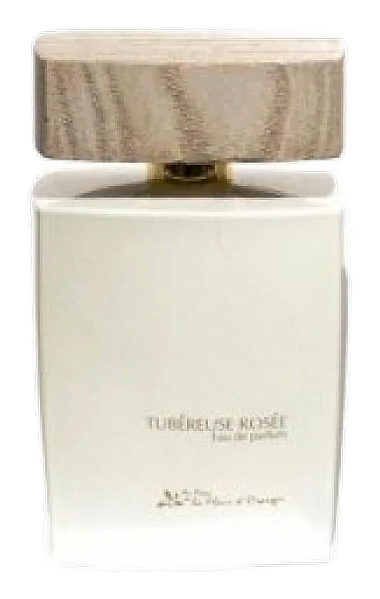
Brands
Brands known for Exotic Notes
Good to know
Questions, answered
The essentials on Exotic Notes in perfumery: how it smells, where it comes from, and how it behaves on skin.
What does "exotic notes" mean in perfumery?
Exotic notes refer to a fragrance category of rare or geographically distant ingredients such as oud, saffron, frankincense, and tuberose. They are valued for distinctive aromatic profiles that local Western florals and citruses cannot replicate.
Are exotic notes natural or synthetic?
Both. Many exotic notes originate as natural resins, woods, or flowers, but synthetic compounds like vanillin (first isolated in 1874) now recreate aspects of scarce materials. Most modern perfumes blend natural and synthetic versions.
Which exotic ingredients are most common in fine fragrance?
Oud, frankincense, myrrh, saffron, and tuberose rank among the most widely used. Oud derives from Aquilaria tree heartwood; frankincense and myrrh are tree resins harvested primarily in the Horn of Africa and Arabian Peninsula.
Why are exotic perfume ingredients so expensive?
Labor-intensive harvesting drives cost. Saffron requires roughly 150,000 hand-picked crocus flowers per kilogram, while oud forms only when Aquilaria trees become infected, a process that can take decades.
When did exotic ingredients enter Western perfumery?
Frankincense and myrrh reached Europe via Mediterranean and Arab trade routes by antiquity. Tuberose arrived in Provence from Mexico in 1632, carried by Father Théophile Minuti.
How are exotic flower notes extracted?
Heat-sensitive flowers like tuberose and jasmine undergo solvent extraction to produce absolutes, preserving delicate top and heart notes that steam distillation would destroy.
What is the difference between oud and agarwood?
They are the same material. Agarwood is the resin-saturated heartwood formed when Aquilaria trees defend against fungal infection. Oud refers to this material as used in perfumery, primarily via steam distillation.
Are exotic notes sustainable?
Sustainability varies. Overharvesting threatens wild Aquilaria populations, prompting CITES regulation and plantation programs. Resin trees like Boswellia face declining yields due to tapping pressure across Somalia and Oman.