Candied Fruits
Candied Fruits in perfumery creates sweet, sugary fruit accords that evoke glazed or crystallized fruits. These aromatic notes add warmth, playful indulgence, and an edible quality to fragrances, typically appearing in the heart to dry-down phases where they enhance gourmand and fruity compositions.
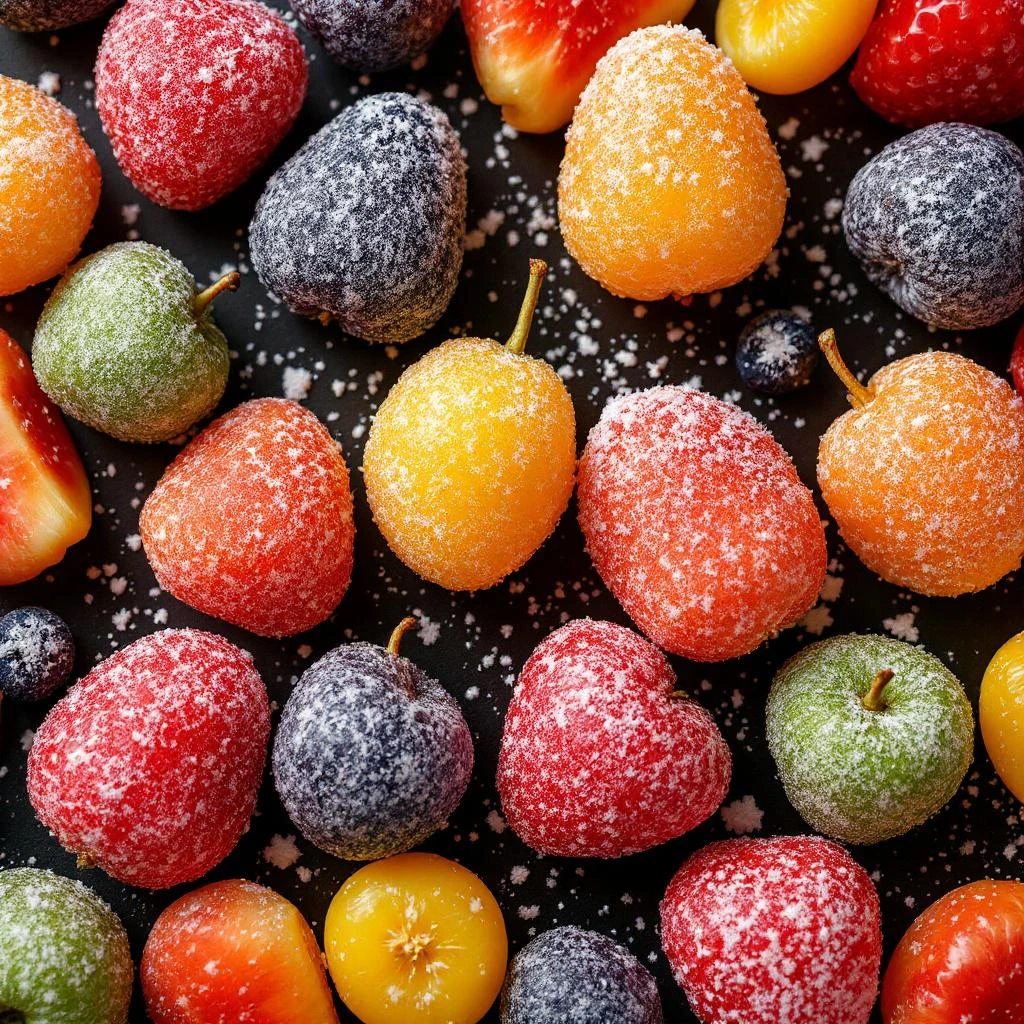
Character
How it smells
Sweet indulgence, crystallized: where fruit meets sugar in aromatic harmony.
Many candied fruit accords in luxury perfumery combine over a dozen individual ingredients to achieve their realistic, layered sweetness.






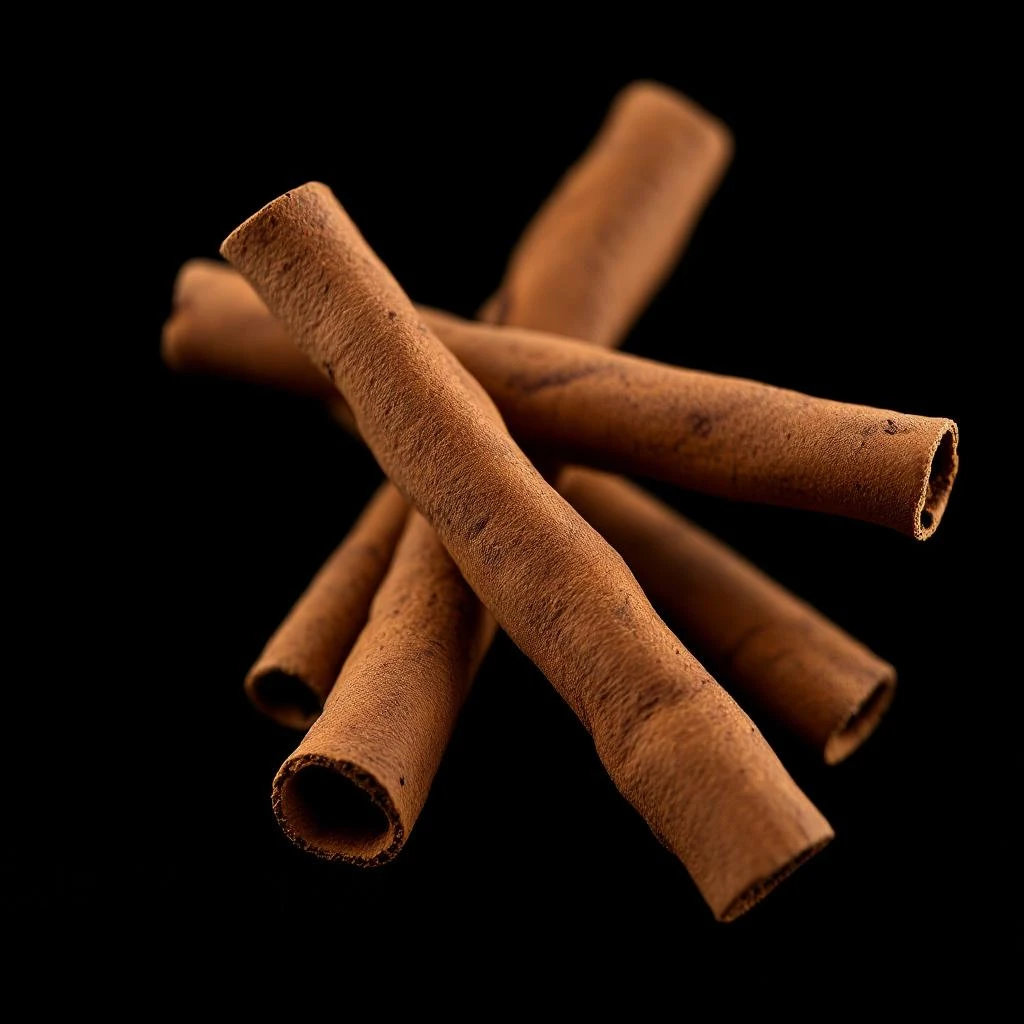


Origin
France
The concept of candied fruits dates back centuries to ancient Mediterranean cultures, where preserving fruits in honey was common. However, the modern interpretation of candied fruit notes in perfumery emerged alongside synthetic aroma chemicals in the late 19th century. Early synthetics like benzaldehyde and vanillin, developed in the 1870s, gave perfumers new tools to create sweet, edible-inspired profiles.
The rise of the gourmand fragrance movement in the late 20th century elevated candied fruit notes to prominence. By the 1990s and 2000s, fragrances like Thierry Mugler's Angel (1992) demonstrated that sweet, edible accords could achieve commercial success. Today, candied fruit notes appear across all fragrance categories, from high-end niche creations to mass-market scents, reflecting their universal appeal and versatility.
These notes also reflect a broader cultural nostalgia. The smell of candied fruits evokes confectionery shops, holiday celebrations, and childhood treats across many cultures. Perfumers leverage this emotional resonance to create fragrances that feel comforting and familiar while remaining sophisticated.
Wears it best
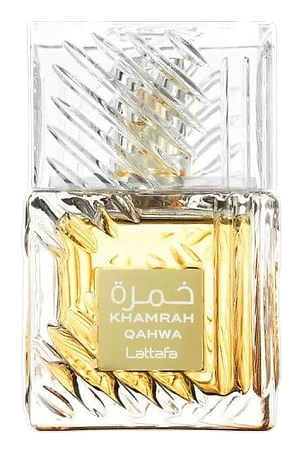
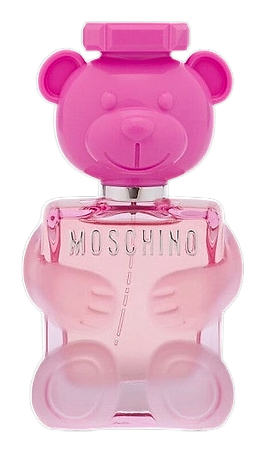
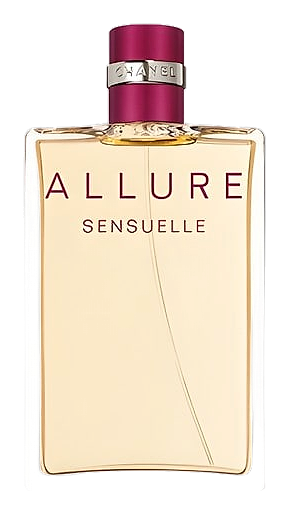
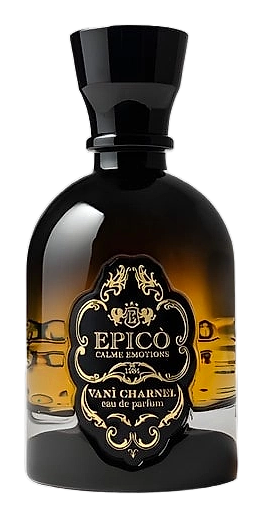
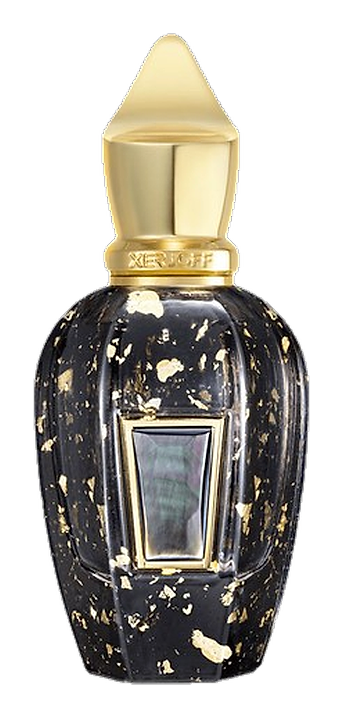
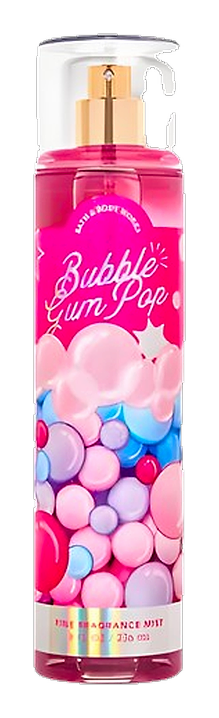
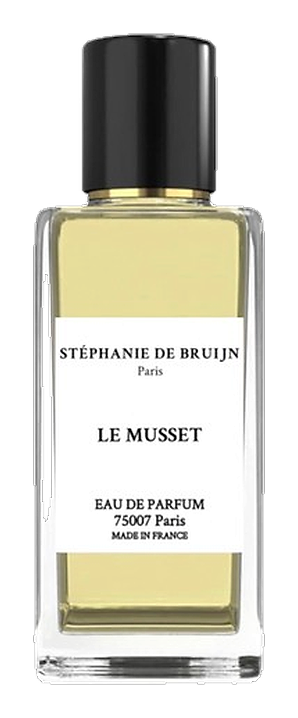
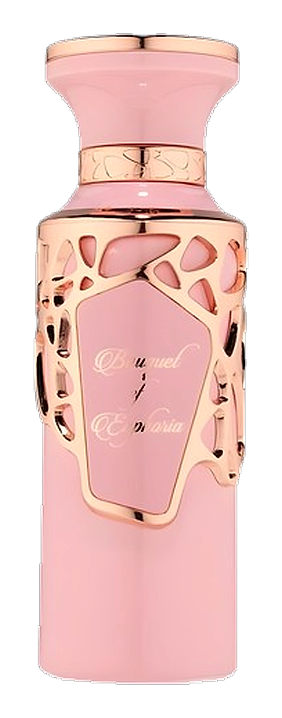
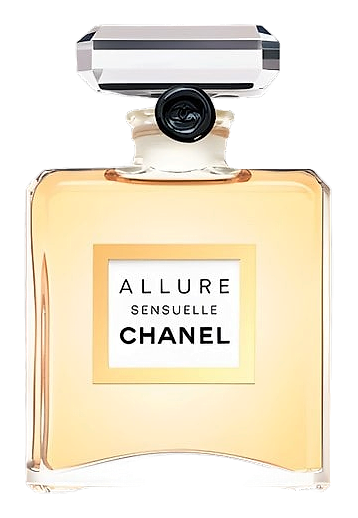
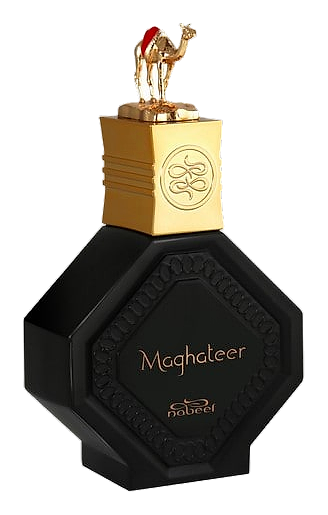
Fragrances featuring Candied Fruits

Brands
Brands known for Candied Fruits
Good to know
Questions, answered
The essentials on Candied Fruits in perfumery: how it smells, where it comes from, and how it behaves on skin.
What does Candied Fruits smell like in perfume?
Candied Fruits smells like fruits preserved in sugar, offering a sweet, sugary aroma with syrupy undertones. These accords capture the concentrated sweetness of glazed cherries, candied orange peel, or crystallized apricot, adding an edible, playful quality to fragrances.
Why is Candied Fruits used in perfumery?
Candied Fruits adds warmth, sweetness, and an edible quality that makes fragrances feel approachable and comforting. This note category has dominated commercial perfumery since the 1990s, appearing in over 40% of new fragrance launches in the 2010s.
Is Candied Fruits in perfume natural or synthetic?
Candied Fruits is almost always synthetic or a blend, as no single natural ingredient captures the full candied effect. Perfumers combine natural absolutes with synthetic esters and aldehydes to create realistic, consistent candied fruit accords.
What famous perfumes contain Candied Fruits?
Several iconic fragrances showcase candied fruit notes, including Dolce & Gabbana Light Blue (citrus with candied apple), Yves Saint Laurent Black Opium (fruity-sweet), and Marc Jacobs Daisy (bright candied fruits). These fragrances demonstrate the note's versatility.
Is Candied Fruits a top note, heart note, or base note?
Candied Fruits typically appears as a heart note that bridges to the dry-down. Individual fruit esters may open a fragrance, but the full candied accord develops in the middle phases and lingers into the base, lasting 2-4 hours on skin.
What notes pair well with Candied Fruits in perfume?
Vanilla amplifies the sweetness, creating rich dessert-like compositions. Woods like sandalwood provide balance, while musks extend longevity. Oriental spices such as cardamom add intrigue, and florals like jasmine prevent the effect from becoming cloying.
Where does Candied Fruits come from?
Candied Fruits as a perfumery concept originates from French fragrance houses in Grasse, the historic center of French perfumery since the 16th century. Modern development accelerated in the late 19th century with synthetic chemistry advances.
Is Candied Fruits used in men's or women's fragrances?
Candied Fruits appears across all genders in modern perfumery. The note features prominently in fragrances like Bleu de Chanel (traditionally marketed to men) and Dolce & Gabbana The One (marketed to women), demonstrating its universal appeal.