
The Story
Why it exists.
The beginning
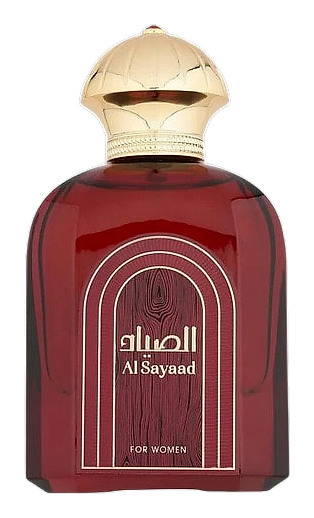
Al Sayyad for Women comes from Athoor Al Alam, a Dubai-based fragrance house founded in 2013. Its name and identity sit within a catalogue shaped by Arabic perfume traditions, with compositions that make regional scent structures feel easy to wear today. No specific launch year or perfumer credit is listed for this fragrance, so its creation story remains tied to the brand's broader approach: classic amber, spice, floral, and woody ideas made modern through clear, wearable contrast.
The composition starts with a neat tension. Ginger and saffron bring clean heat, while Sicilian bergamot and Sicilian mandarin orange keep that heat from becoming heavy. The heart adds floral softness through Egyptian jasmine and Moroccan rose, but Indonesian patchouli and amberwood give it weight. That makes the scent feel layered without turning fussy: bright citrus, warm spice, floral presence, and a woody floor all share the same frame.
The evolution
The opening arrives sharp and golden, with citrus lifting ginger and saffron into something more deliberate than fresh. As the first brightness softens, jasmine and rose bring a polished floral center, while patchouli and amberwood keep the composition from floating away. The drydown is the part that lingers in memory: bourbon vanilla and white musk make it smooth, sandalwood adds creamy wood, and oakmoss gives the base a dry, earthy edge. What begins as a lively citrus-spice entrance settles into a warm floral-woody skin scent, intimate rather than loud, with a soft vanilla-musk finish that can remain recognizable later in the day.
Cultural impact
Athoor Al Alam's position is especially clear: tradition without reverence, presented through modern, approachable compositions and a broader inclusiveness around who might wear them. Al Sayyad for Women fits that context by taking familiar regional materials such as saffron, amber, rose, patchouli, and musk into a citrus-led floral structure. It offers a way into Arabic-inspired perfumery that feels contemporary, wearable, and directed toward personal resonance rather than ceremony.