
The Story
Why it exists.
The beginning
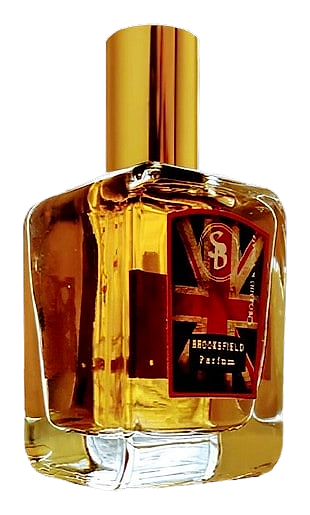
Brooksfield arrived in 1993 as a release from Atelier Segall & Barutti, with the nose belonging to Tzivia Segall, a perfumer whose name threads through the brand's catalogue as a quiet constant. That this debut leaned into chypre territory tells you something about the house's ambitions from day one. Brooksfield reads as a statement of intent. A masculine composition that reaches for oakmoss, tarragon, and plum, anchoring itself in materials that carry weight and history rather than chasing fleeting trends. The opening is brisk and herbal, with tarragon's anise-laced snap cutting through any softness before it settles.
What makes Brooksfield structurally interesting is how it braids a classic chypre spine with an unexpectedly sweet, almost edible heart. Tarragon and lavender give the aromatic lift, but it's the pairing of red apple and plum with cardamom that pushes the composition sideways. That fruit-cardamom collision lands somewhere between a French apothecary and a fruit tart cooling on a windowsill. The oakmoss and sandalwood in the base then pull it back into formal territory, grounding the sweetness before it tips into gourmand territory.
The evolution
On skin, Brooksfield opens with bergamot and crushed green leaf, a brisk and slightly bitter introduction that sets the tone before the tarragon takes hold. That tarragon phase is the most distinctive stretch: anise-edged, slightly bitter, almost like fennel fronds snapped between fingers, running underneath the bright red apple that surfaces right behind it. The plum arrives later in the heart, darker and rounder than the apple, giving the composition a bruised-fruit weight that the cardamom sharpens rather than sweetens. As the hours pass, the lavender recedes, and what remains is a mossy, cedary close with a faint residual sweetness that never fully fades. The oakmoss in particular hangs on, lending a damp, earthy undertone to the late drydown that anchors the composition in its chypre roots.
Cultural impact
Brooksfield sits in an unusual place: a 1993 Brazilian chypre with a vintage-leaning character that rewards the wearer who treats fragrance as character study rather than social signal. Among community wearers it reads as a mossy masculine, the kind of composition that pulls you back to older European chypre traditions with its oakmoss base and aromatic herbal opening. The plum and red apple in the heart give it a distinctive sweetness that sets it apart from more austere chypre formulations, lending a warmth and approachability that makes the mossy architecture feel lived-in rather than academic.