The Story
Why it exists.
The beginning
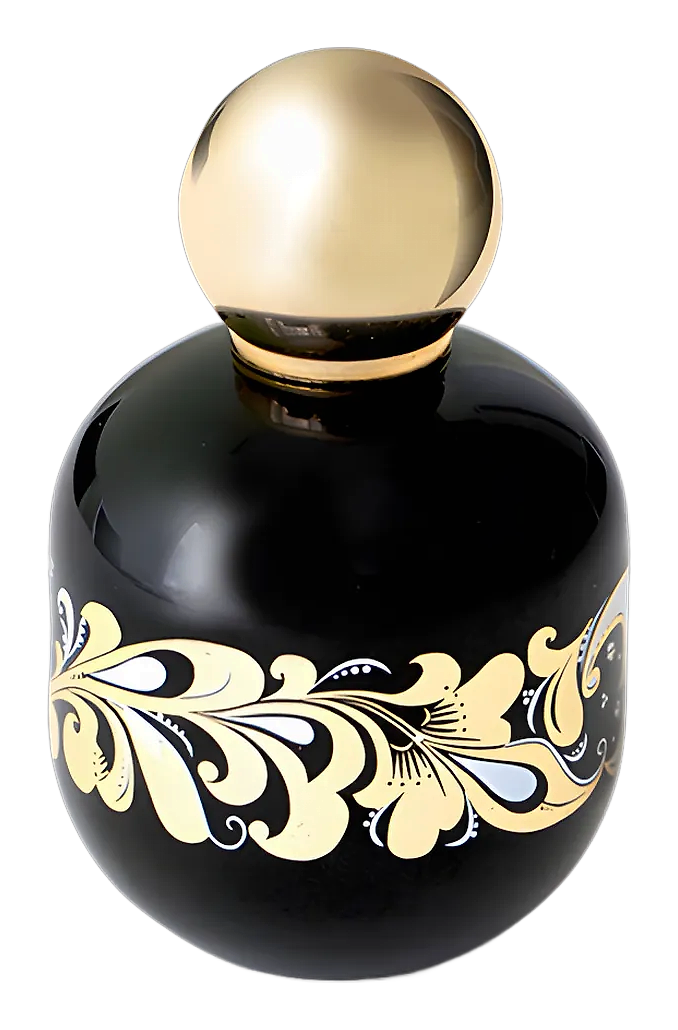
Cuir de Russie arrived in 2015 from the perfumer Elina Arsenieva, released under Art Deco Perfumes. The composition takes its name from a category of leather fragrances that includes Guerlain's 1875 original, but the work here charts its own path. This is leather viewed through a colder lens, built around winter-pine and resin rather than the warmth of Parisian opulence. Arsenieva composed it as a study in smoked hides and forest air, a scent that leans toward restraint on first spray, almost academic, before opening into something rougher and stranger as the hours pass. The bergamot at the top reads sharp and bright, a brief flash of citrus before the spruce deepens and the composition settles into its stride.
What separates this from the long queue of leather fragrances is the top note choice. Spruce over the usual birch tar or saffron opener gives the composition its backbone, pine resin before any animalics arrive. The heart pairs rose with cinnamon and lily of the valley, a floral register that reads almost ironic against the smoky base, like fresh flowers placed against worn hide. Then castoreum and oakmoss take over. Castoreum is the move that signals intent: it's the material perfumers reach for when they want leather that smells like leather rather than like the idea of leather.
The evolution
Cuir de Russie opens with a sharp slice of bergamot cut through resinous spruce, the citrus slicing through the green like a blade. Within minutes the citrus lifts and the coniferous depth takes over, layered with dusty rose and a thread of warm cinnamon that pushes against the chill of the opening. As hours pass the cinnamon fades and the composition darkens: castoreum arrives with a leathery, slightly animalic warmth, oakmoss grounds the base with an earthy bitterness, and amber and sandalwood smooth the edges into a dry, smoky close. The transition from top to heart happens gradually, the bright citrus retreating in stages while the spruce holds its position in the background, never fully leaving.
Cultural impact
Cuir de Russie occupies a distinctive position in the landscape of leather fragrances, one defined by its use of spruce and castoreum as anchoring materials rather than the more common birch tar or saffron openers found in conventional leather compositions. The choice of coniferous green at the top, paired with an animalic base that leans into genuine leather territory rather than the idea of it, sets the fragrance apart from mainstream offerings. The rose-and-cinnamon heart adds a layer of complexity that resists easy categorization, a floral-spicy register that sits uneasily against the smoky foundation.