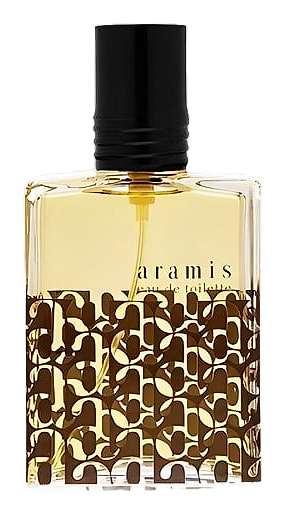

The Story
Why it exists.
The beginning
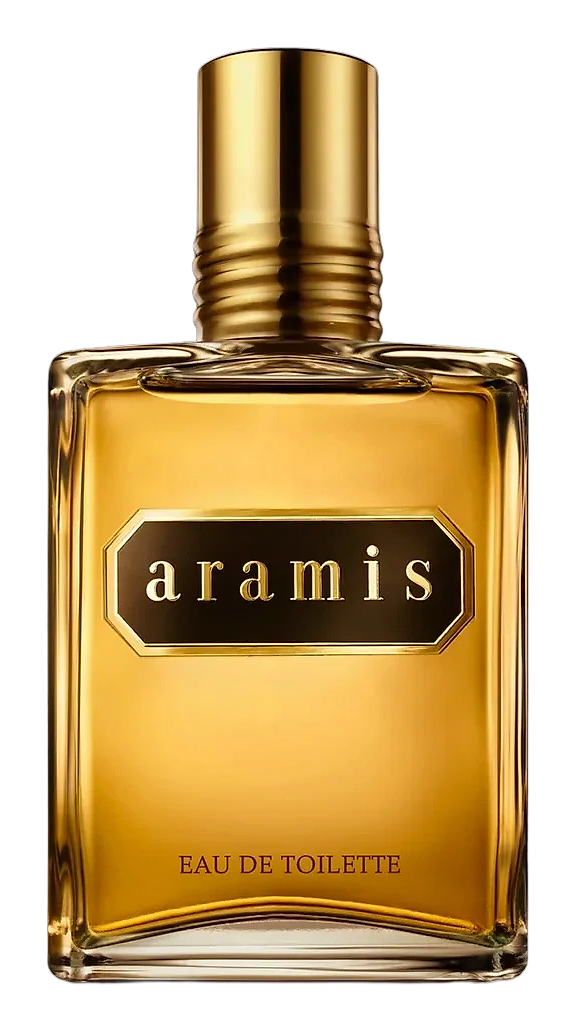
Aramis landed in the early 1960s as something America hadn't really seen before: a prestige men's fragrance that Estée Lauder commissioned Bernard Chant to build, and Chant responded with a composition that felt pulled from a tailor's workshop, not a lab. The brief was simple enough: make men a scent that took them seriously. The execution was anything but. Aldehydes, cumin, thyme, and gardenia up top, a heart of clove, cardamom, and orris root that warmed fast, and a base built on leather, tree moss, patchouli, and amber. Dense. Assertive. Constructed like a good overcoat. The fragrance wore the same quiet confidence that its namesake suggested, a man who measured his words and chose his tailoring with care.
What makes the original Aramis worth a second look is how Bernard Chant layered the green-spicy-leather structure without letting any single lane dominate. Aldehydes give it that crisp, soapy-bright 1960s architecture, a kind of waxy citrus-and-laundry brightness that defined the decade's best compositions. Cumin and thyme push it toward the herbal, almost medicinal, the kind of green that smells more like an apothecary shelf than a garden.
The evolution
The first ten minutes are loud. Aldehydes crack open over green thyme and cumin, and the cumin especially makes itself known, sharp, almost savory, with a dry heat that fills the air around the wearer. The gardenia softens it just enough to keep the opening from going purely aggressive, lending a creamy, slightly waxy undertone that balances the sharper greens. Give it thirty minutes, and the composition pivots hard. The top notes step back, and the heart takes over: cardamom, clove, and orris root warming into something that smells like the interior of a leather goods shop in cold weather, all hide and spice and dust. Jasmine is present in the heart but never front-and-center, a supporting player that rounds the edges without sweetening them, adding a faint floral lift that keeps the spices from feeling monochrome.
Cultural impact
Aramis wears like a reference point, not a trend. It arrived in the early 1960s and established a vocabulary for what a prestige men's fragrance could smell like: dense, structured, built around green aldehydes, warm spices, and a leather base that anchored the whole composition. Wearers gravitate toward it for the leather-moss-amber drydown that newer compositions rarely replicate with the same density, and the fragrance occupies a singular place in the history of masculine perfumery as one of the first compositions to take men's scent seriously at the prestige level.