The Story
Why it exists.
The beginning
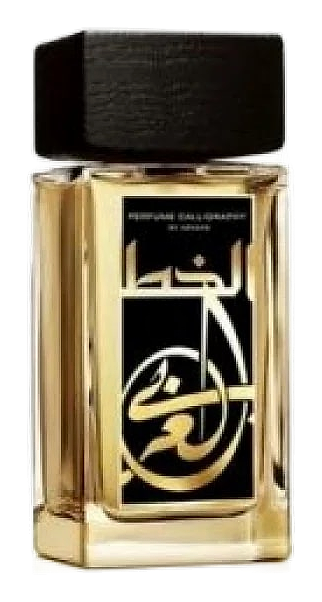
Perfume Calligraphy arrived in 2012 from Aramis. Trudi Loren composed the formula, and her work here reads like a deliberate exercise in contrast: bright citrus opening into dense resinous warmth, the kind of structure that rewards attention without demanding it. The name suggests something careful, something written with intention. That's what Loren built. A fragrance where every material has a job and the transitions feel authored rather than accidental. Calligraphy sits firmly in the oriental-spicy register, and the interplay between the top, heart, and base feels considered rather than assembled. The citrus notes lift and clear the air for what's coming, while the resins and woods beneath create a sense of gravity from the first spray.
The composition does something specific worth noticing: it places lemon and cinnamon at the top, a pairing that's sharp and warm at the same time, before dropping into myrrh and saffron blossom in the heart. Myrrh brings the ancient-resin gravity, saffron blossom adds a leathery floral lift that keeps things from getting heavy too fast. Then rose absolute threads through the middle, lending a bruised-petal softness that balances all that resin. The base is where the composition commits fully. Oud, amber, musk, patchouli. That's a heavyweight lineup, and Loren lets them speak without dressing them up. The result is a fragrance that feels old-world in its material choices but structured with modern clarity.
The evolution
The opening arrives loud. Lemon cuts through first, cold and sharp, but the cinnamon is already warming underneath, and the two start merging into something that smells like spiced citrus peel rather than separate notes. The sillage is moderate but present. You'll leave a trail for the first stretch, not a cloud. The myrrh takes over, descending like smoke settling in a room, and the saffron blossom adds a faintly honeyed, almost suede-like texture. The rose shows up here too, but it's not a pretty floral. It's a dark rose, dried petals rather than fresh. This phase runs through the heart of the wear, and it's arguably the best part of the fragrance, the moment where all the materials feel like they're arguing productively. The drydown is where oud and amber lock in.
Cultural impact
Calligraphy sits in a quieter corner of the Aramis portfolio, appreciated by wearers who want the brand's backbone paired with denser oriental-spicy materials. It shares aesthetic territory with fragrances like Kenzo Jungle, certain oud-forward compositions from the early 2010s, positioning it within a wave of resinous, spice-heavy releases that gained traction in that era. The composition leans into materials that were having a moment, oud and saffron and myrrh appearing in launch after launch, and Calligraphy joins that conversation with its own particular balance of sweetness and smoke.