Saffron Blossom
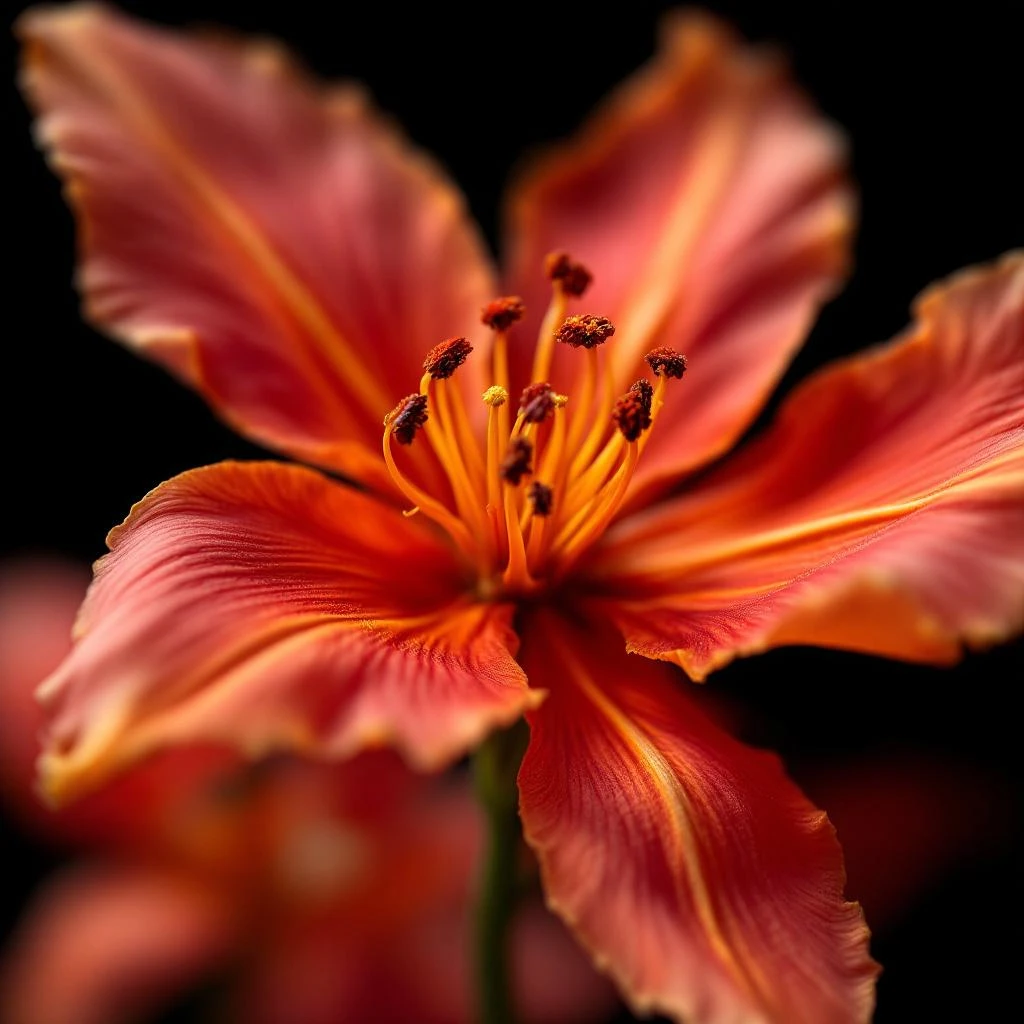
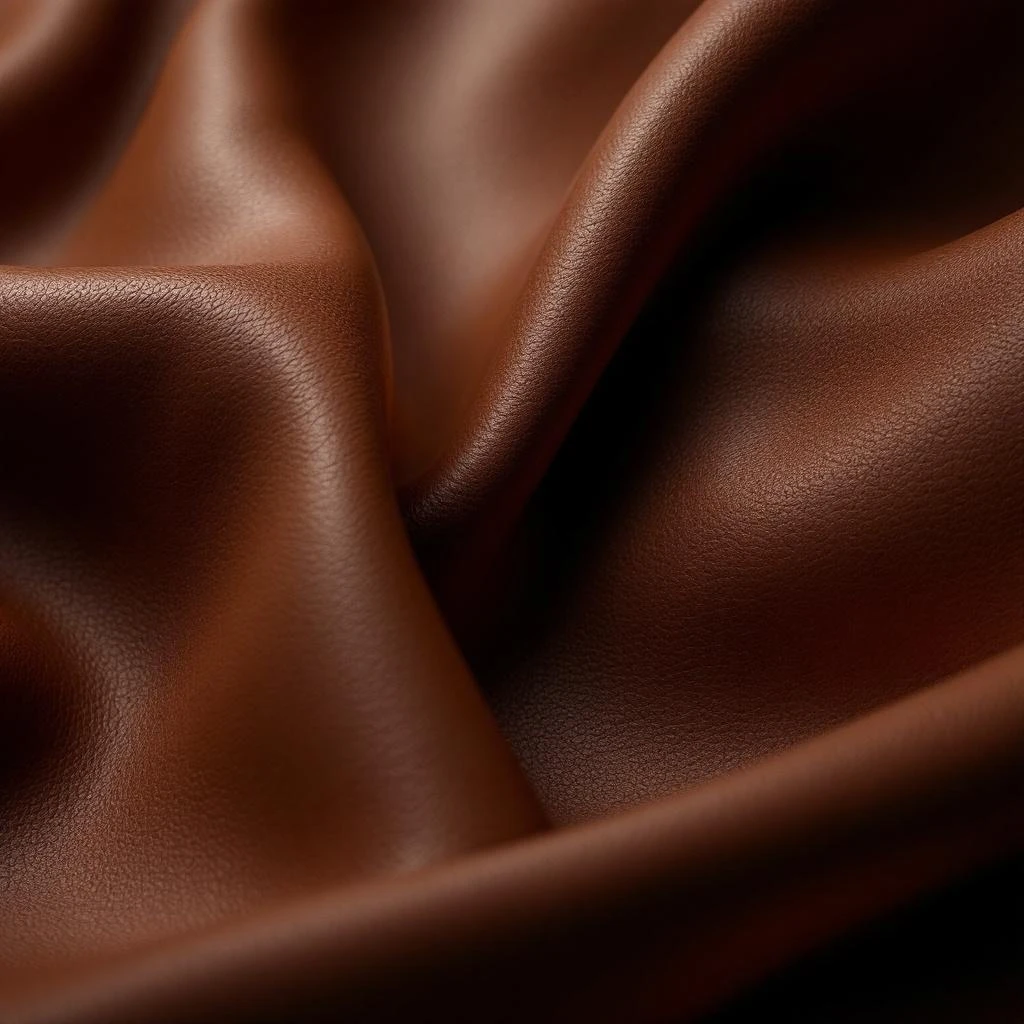
Bright, leathery spice with a whisper of honeyed earth, saffron blossom lifts oriental and woody compositions, delivering a rare, radiant facet that glows in the heart of a perfume.
Character
How it smells
Red gold’s floral spark brightens any scent.
A single crocus flower yields only three stigmas, and it takes roughly 150,000 blossoms to produce one kilogram of saffron, making it the world’s most expensive spice.








Origin
Iran
Saffron’s perfume legacy stretches back over three millennia. In ancient Greece, around 1500 BC, poets praised the red stigma as a symbol of resurrection and strength, and it flavored sacred incense used in temple rites. Persian courts adopted saffron for royal fragrances, believing its scent could mask body odor and convey status; a 5th‑century BC tablet records its inclusion in a royal perfume blend.
Egyptian mummification rituals also employed saffron‑infused oils to honor the dead. Roman texts from the 1st century AD describe saffron as a luxury additive for bathing oils, prized for its warm, dry character. Throughout the Middle Ages, saffron traveled along trade routes to the Mediterranean, where it enriched spice markets and perfumery workshops in Venice and Florence.
By the 19th century, European chemists isolated safranal, confirming the spice’s aromatic potency and cementing its role in modern perfume composition.
Wears it best
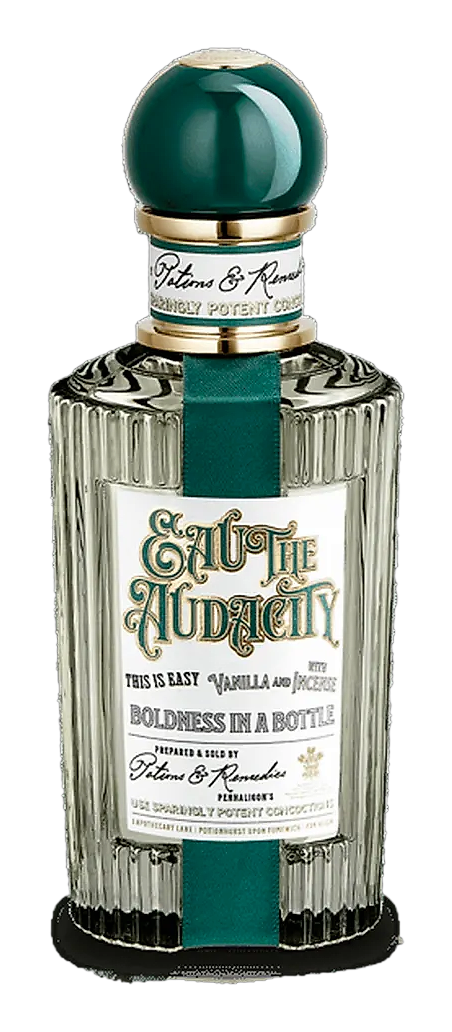
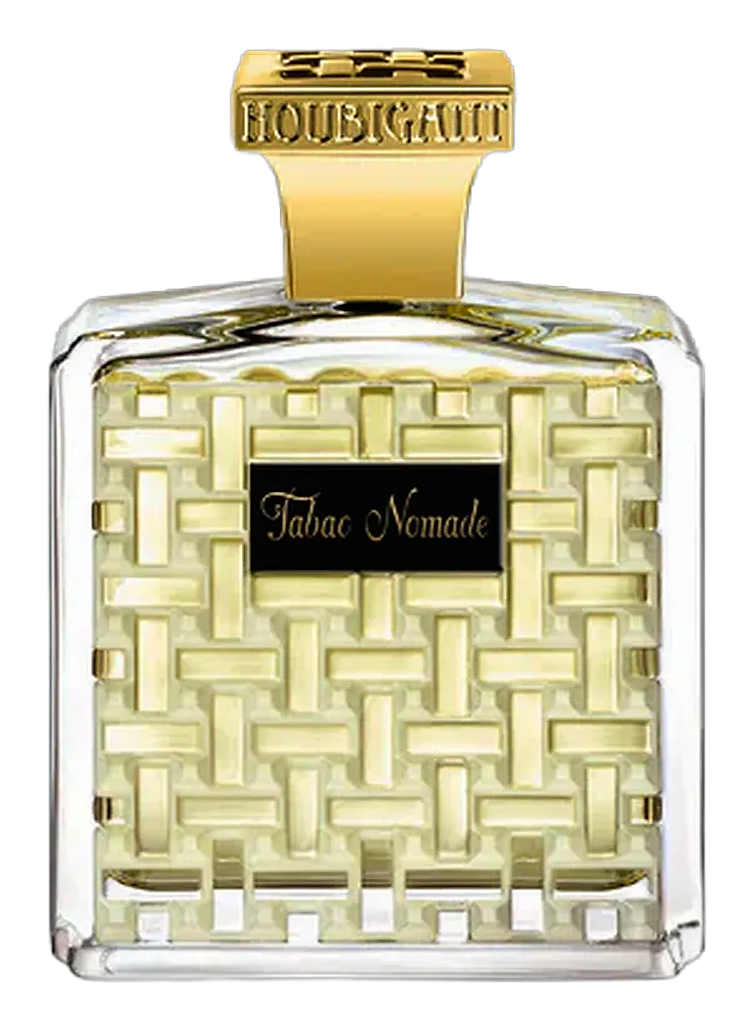
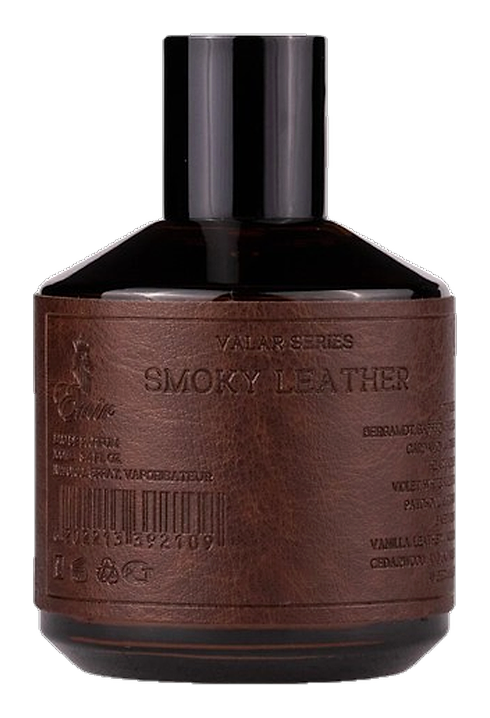
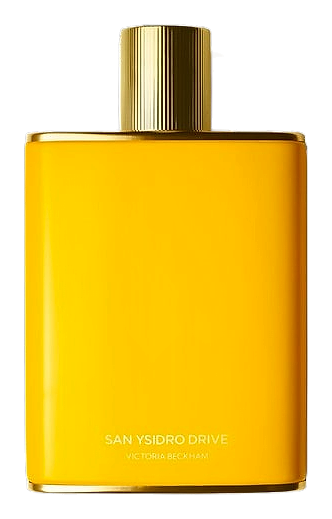
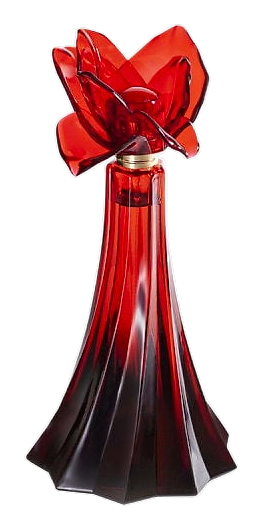
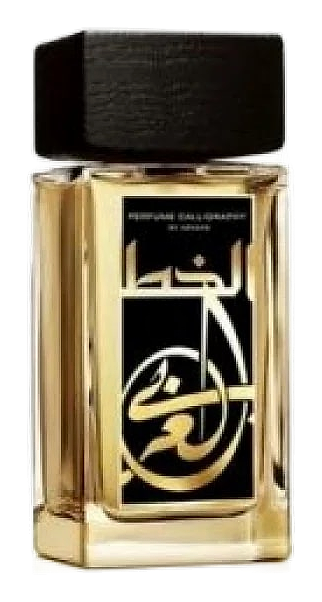
Fragrances featuring Saffron Blossom



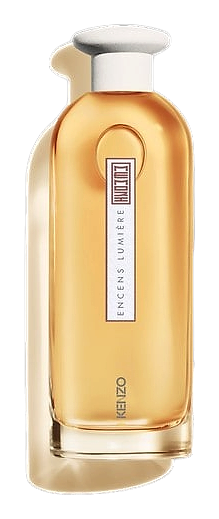
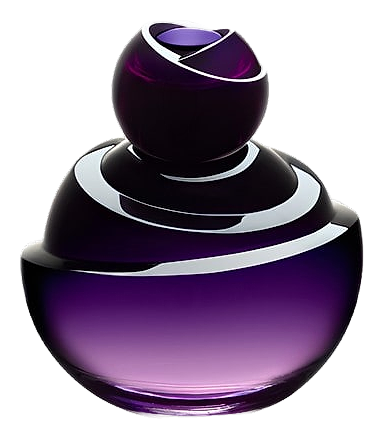
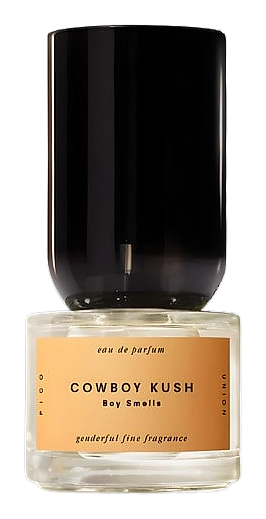
Brands
Brands known for Saffron Blossom
Good to know
Questions, answered
The essentials on Saffron Blossom in perfumery: how it smells, where it comes from, and how it behaves on skin.
What scent profile does saffron blossom add to a perfume?
It contributes a leathery, slightly sweet spice with a metallic edge. The note registers as a bright, dry warmth that can lift floral or woody bases. Perfumers often pair it with amber or rose to balance its intensity. In a 2021 GC‑MS analysis, the main volatile was safranal at 0.42 µg/g.
How is saffron blossom harvested?
Harvesters pick each crocus flower at dawn, then separate the three red stigmas by hand. The process yields roughly 0.03 % of the flower’s weight in usable material. In 2020, Iran reported a harvest of 180 tonnes of dried stigmas.
Why is saffron considered a premium ingredient?
Its rarity and labor‑intensive harvest drive cost, placing it among the most expensive natural aromatics. Producing one kilogram requires about 150,000 blossoms. The 2022 global trade value exceeded $1 billion, reflecting its market demand.
Which regions historically favored saffron in perfumery?
Ancient Persia and Greece incorporated saffron into courtly fragrances. Texts from the 5th‑century BC describe its use in royal incense. Archaeological residue from a 2,500‑year‑old Persian tomb contained saffron traces.
Can saffron blossom be synthesized?
Yes, chemists replicate its key aroma molecule, safranal, through oxidation of picrocrocin. Laboratory synthesis yields pure safranal in under 24 hours. However, the synthetic version lacks the minor constituents that give natural saffron its depth.
How does saffron interact with other fragrance notes?
It amplifies dry, resinous accords while tempering overly sweet florals. In a 2019 blind panel, blends containing 2 % saffron scored 15 % higher for perceived complexity than controls. This effect stems from its unique metallic facet.
Is saffron safe for skin contact in perfumes?
Regulatory bodies permit up to 0.1 % saffron extract in leave‑on products. A 2018 dermatology study found no irritation at concentrations below 0.2 %. Consumers should still patch‑test new scents.
What storage conditions preserve saffron’s aroma?
Keep it in airtight, dark containers at temperatures below 20 °C. Exposure to light accelerates degradation of safranal by 30 % within six months. Proper storage maintains its potency for years.




