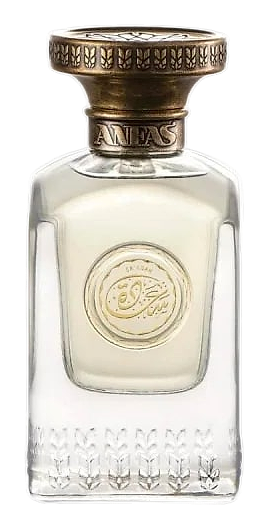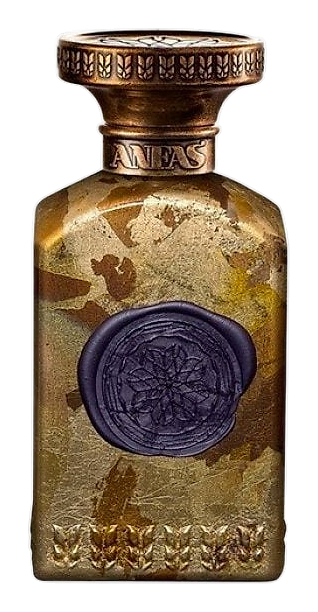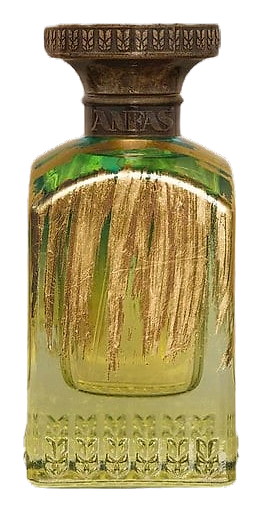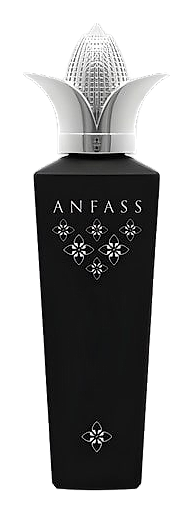
The Story
Why it exists.
The beginning
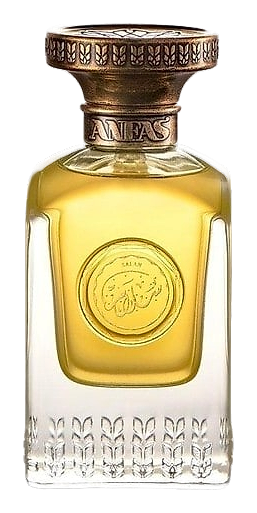
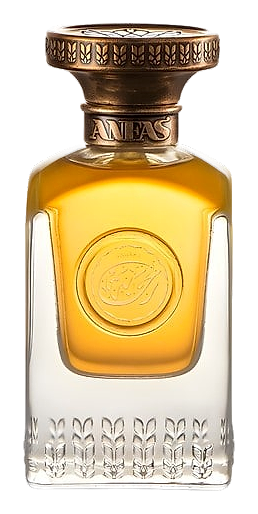
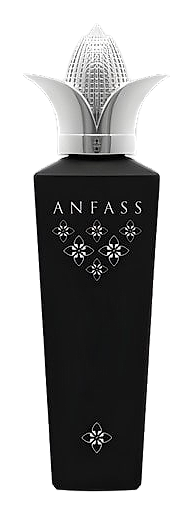
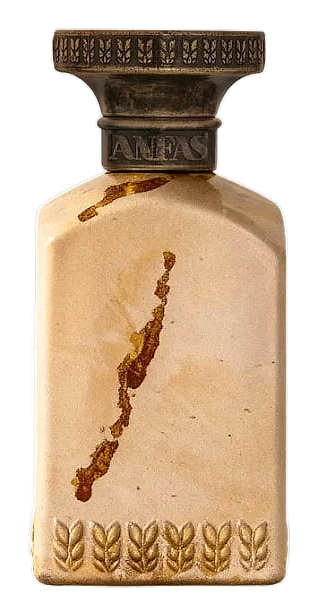
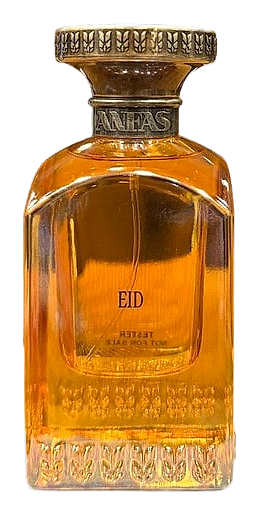
El Oud arrived in 2014 as a composition built around agarwood, with the material placed front and center rather than tucked beneath safer supporting notes. The name reads literally: this is a letter to oud, written by the house with the intention of letting the wood carry the weight. Perfumer Christian Carbonnel worked alongside house founder Asem Al Qassim, layering the central woods with the resins and base materials that root the composition in Gulf perfumery traditions. Among the early Anfas releases that year, El Oud sat alongside offerings like Salam, sharing a commitment to rich woody foundations and layered Oriental structures, grounding the label's identity from the outset.
The note structure reveals the intention behind the composition. Amber opens the affair, not as a supporting player but as the curtain raiser, warm and resinous from the first breath. Hinoki wood and gurjum balsam carry the heart, bringing a dry, almost meditative quality, then cypriol oil adds that earthy, vetiver-adjacent rootiness that recalls rain-soaked soil and shadowed undergrowth. But the real conversation happens at the base, where agarwood meets tolu balsam, sandalwood, tonka, and vanilla.
The evolution
The first thirty minutes belong to amber and civet, and the civet is not shy. There's a musky, almost mammalian warmth that announces itself before settling down. Hinoki wood and cypriol emerge next, bringing a dry, rooty quality that cools the animalic heat into something meditative. The gurjum balsam weaves through with a quiet smokiness, threading between the woods like an accent line. After two hours, the base takes command: oud arrives, not sharp or medicinal, but rounded by sandalwood and tolu balsam into something almost lacquered, a smooth resinous veil rather than a piercing blast. Tonka and vanilla surface in the final stretch, leaving a powdered sweetness on skin. Longevity has been rated above-average by wearers, with at least one enthusiast scoring it strong on lasting power. The progression moves from animalic warmth through dry wood and into a soft, sweet, resinous finish.
Cultural impact
El Oud has earned a reputation as a fragrance that rewards a particular palate. Oud enthusiasts expecting the traditional Gulf treatment of rose, saffron, and generous projection sometimes find its restraint surprising, while those drawn to the drier, more meditative end of oud perfumery tend to become deeply attached. The civet gives it bite, the wood gives it depth, and the absence of showier accents gives it gravity. Production was apparently discontinued, which has shifted it into a quieter collector's space, where bottles trade among enthusiasts who knew it from its first run.
The House
AnfasAnfas is a niche fragrance house rooted in the United Arab Emirates, built around the vision of Asem Al Qassim, who holds the distinction of being recognized as the first certified Emirati perfumer. The brand channels the sensory language of Arabian perfumery, working primarily with oud, amber, and regional botanical materials to create scents that carry cultural memory and geographic specificity. Each fragrance functions as a narrative artifact, expressing moments from Gulf heritage, hospitality traditions, and the landscape of the Emirates. The collection spans perfumes for personal wear and home fragrance, positioning Anfas within the intersection of artisanal craft and contemporary luxury retail. The brand is distributed through specialty retailers including The Scent Library and La Parfumerie USA, reaching fragrance collectors internationally.
The Creator
Christian CarbonnelCarbonnel is at his most distinctive when building rich, layered oriental compositions that unfold over hours on the skin. He favors high-quality natural materials and constructs fragrances with real depth—top notes that sparkle, heart notes that develop, and base notes that a…