Gurjun
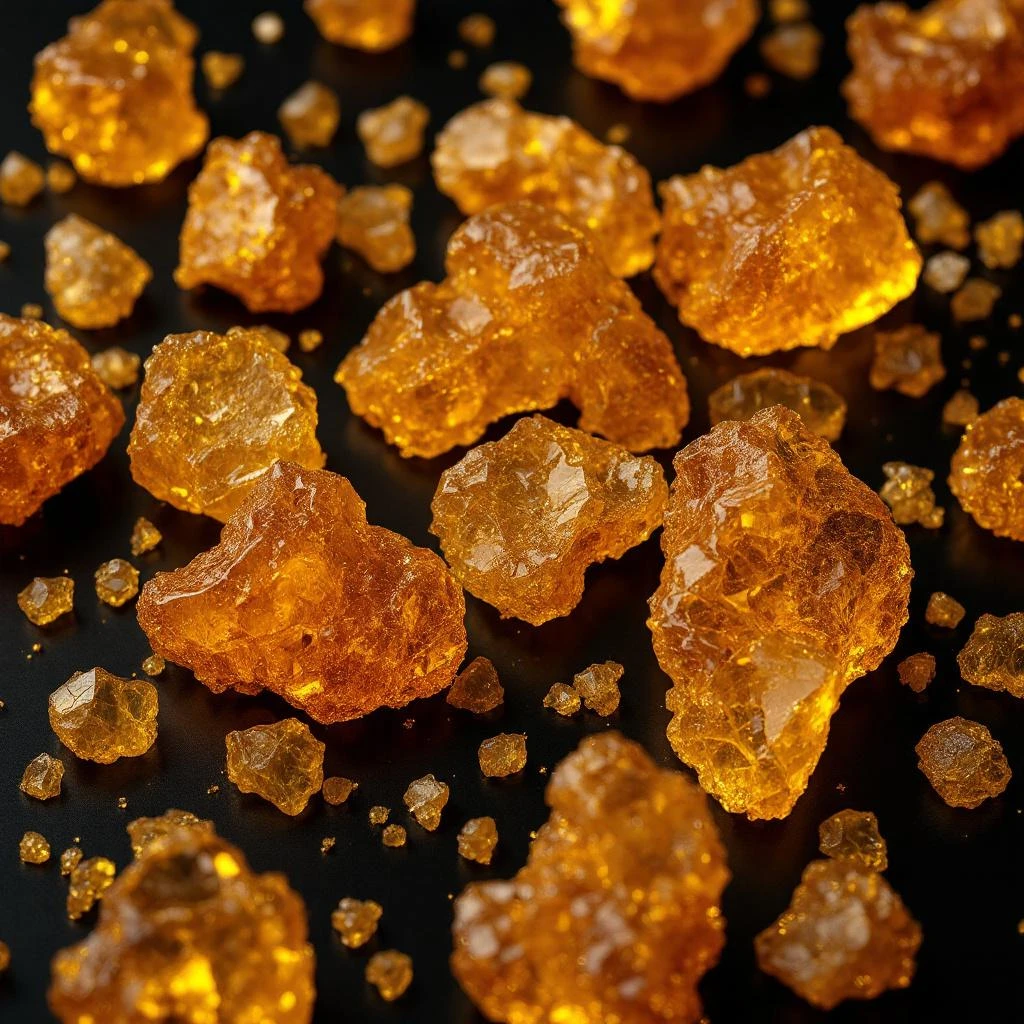
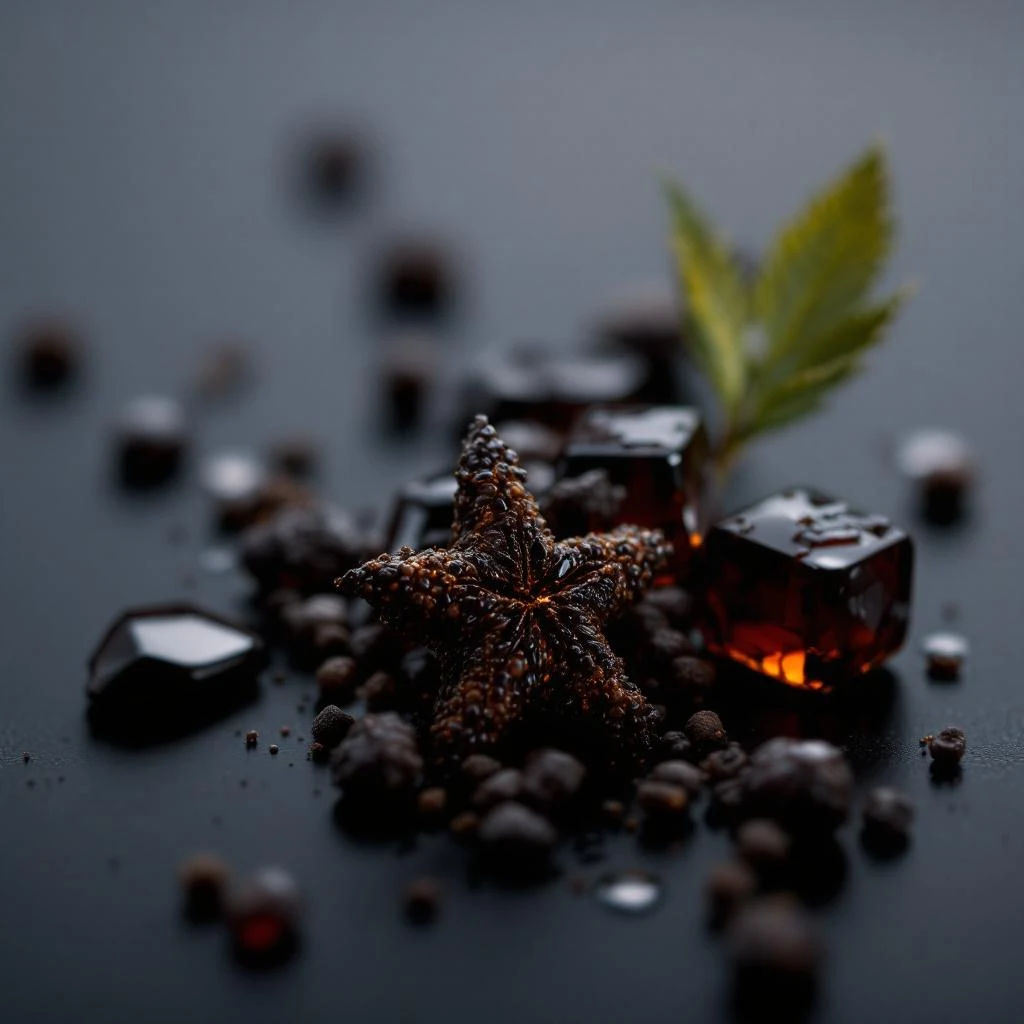
Gurjun balsam is a resinous base note tapped from towering Dipterocarpus trees of Southeast Asia. Its warm, woody depth anchors fragrances while adding a subtle earthy glow that lingers on skin for hours.
Character
How it smells
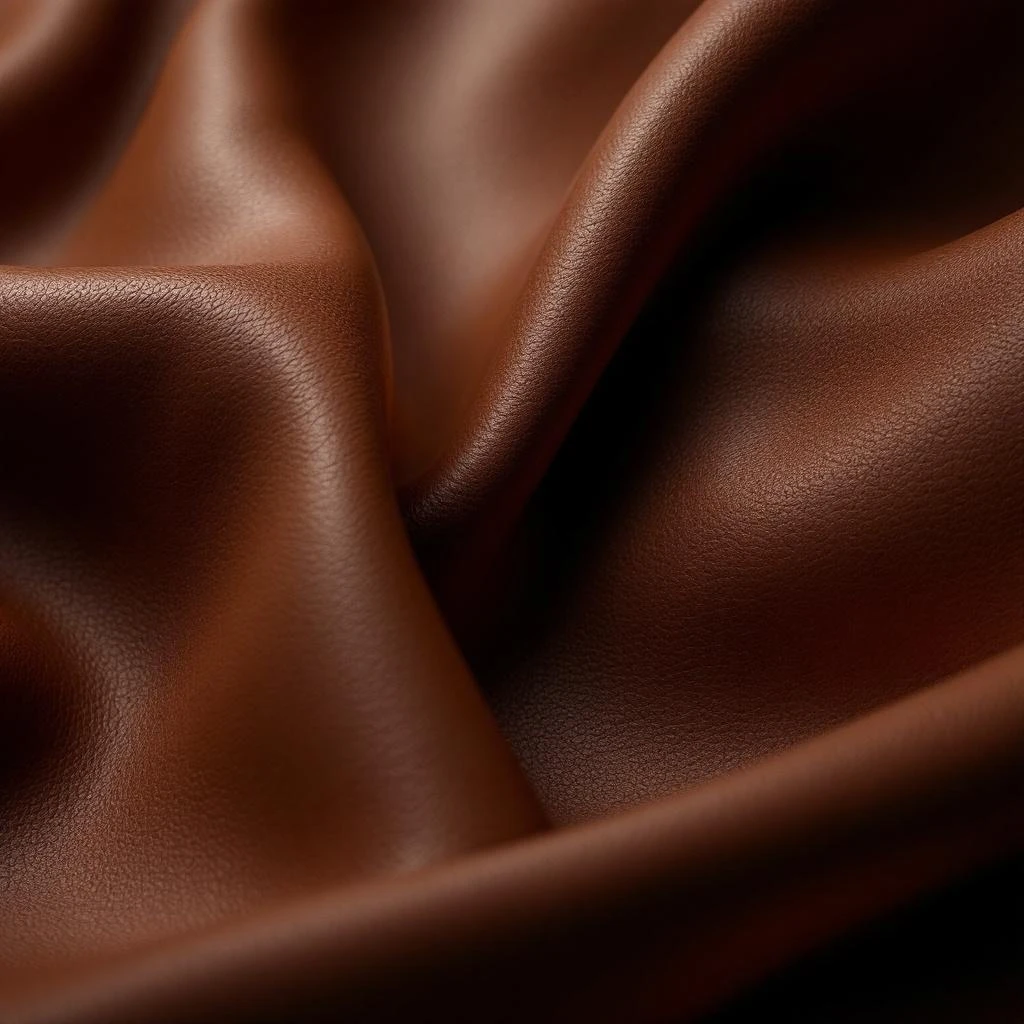
Deep resinous warmth from ancient rainforest giants
Despite its nickname 'East Indian Copaiba,' gurjun balsam comes from a completely different tree genus than true copaiba, yet shares a remarkably similar chemical fingerprint dominated by sesquiterpenes.





Origin
Indonesia
The Dipterocarpus trees that yield gurjun balsam have grown across Southeast Asian rainforests for millennia, long before perfumers recognized their aromatic potential. Indigenous communities in the Assam region and parts of Myanmar used the crude balsam for caulking boats, waterproofing baskets, and traditional medicine, valuing its resinous properties for centuries before Western trade routes discovered it.
The balsam entered European perfumery in the 19th century, arriving alongside other exotic resins through colonial trade networks. Chemists quickly identified its value as a cost-effective substitute for true copaiba balsam and as a fixative in heavy oriental compositions. The name 'East Indian Copaiba' persisted in trade documentation, creating lingering confusion about the ingredient's true botanical origins.
By the early 20th century, gurjun balsam had secured a permanent place on the perfumer's organ. Its ability to anchor fleeting florals and brighten dull woody bases made it a staple in masculine fragrances and incense-style compositions. Today, sustainable harvesting initiatives in Indonesia and India work to balance commercial demand with forest conservation, ensuring these towering trees continue producing their distinctive resin for generations to come.
Wears it best
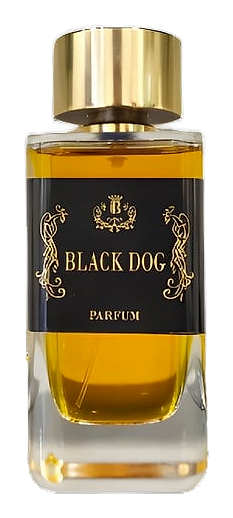
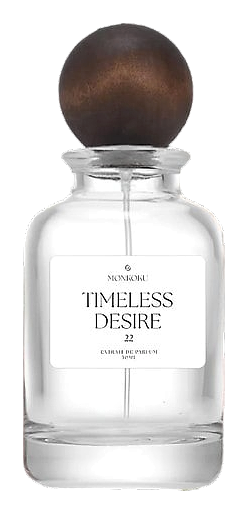
Fragrances featuring Gurjun

Brands
Brands known for Gurjun
Good to know
Questions, answered
The essentials on Gurjun in perfumery: how it smells, where it comes from, and how it behaves on skin.
What does gurjun balsam smell like?
Gurjun balsam has a warm, woody, resinous aroma with earthy undertones. It smells softer and less smoky than crude resin once rectified, making it useful as a base note that adds depth without overpowering other ingredients.
Is gurjun balsam the same as copaiba?
No, but they share similar chemistry. Gurjun comes from Dipterocarpus trees in Southeast Asia, while copaiba comes from Copaifera trees in South America. Both are rich in sesquiterpenes, which gives them comparable aromatic profiles.
What is gurjun balsam used for in perfumery?
Perfumery uses gurjun balsam primarily as a fixative and base note. It slows the evaporation of lighter ingredients while adding woody depth to masculine, oriental, and chypre fragrance families.
Is gurjun balsam safe for skin?
Gurjun balsam oil is generally considered safe in fragrance concentrations. Like all tree-derived resins, it may cause sensitivity in some individuals, so patch testing is recommended for those with reactive skin.
Where does gurjun balsam come from?
Gurjun balsam originates from Dipterocarpus trees growing across Indonesia, Myanmar, and parts of India. Indonesia is the largest producer, with harvesting concentrated in Sumatra and Kalimantan.
How is gurjun balsam oil produced?
Harvesters tap the heartwood of mature Dipterocarpus trees, collecting the oleo-resin as it seeps from cut channels. The raw balsam is then steam distilled and rectified in processing facilities, typically in Europe or the United States.
Is gurjun balsam sustainable?
Sustainability varies by source. Well-managed forests in Indonesia practice selective tapping that allows trees to survive for decades. However, unregulated logging for timber remains a threat to wild Dipterocarpus populations.
Can gurjun balsam replace other base notes?
Gurjun balsam can substitute for patchouli, vetiver, or lower-grade copaiba in woody compositions, though each carries distinct character. It works best as a supporting fixative rather than a direct replacement for more complex resins.