The Story
Why it exists.
The beginning
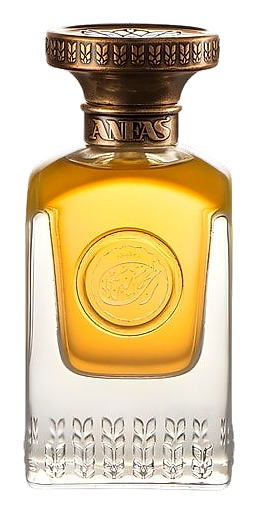
Rahaba emerged from the Anfas Collection in 2017, composed by Christian Carbonnel. The brief appears to have been deceptively simple: take the richness of Arabian oriental perfumery and fold in something unexpected. The gin note does exactly that, it disrupts the expected sweetness before it settles in, giving the wearer something to notice in the first five minutes rather than waiting for the drydown to get interesting. Rahaba isn't trying to be another oud-and-amber statement. It wants to be remembered for the twist.
What makes this composition work is how the pineapple bridges the gap between the gin and the base. Gin is botanical, almost cold; pineapple is tropical and warm. In most hands they'd fight. Here they negotiate through the orange, which provides just enough common ground for the hand-off. The result is an opening that smells like a cocktail bar at golden hour, the spirit is there, but so is the sun. By the time the Damask rose and iris arrive, the composition has already made its case.
The evolution
The gin recedes within the first thirty minutes, replaced by a pineapple-rose accord that feels both sweet and slightly austere, the iris powder holding the florals in place, keeping them from getting too heavy. This is the middle passage, and it lasts. The vanilla-tobacco warmth of the base doesn't arrive dramatically; it seeps in, tonka and amber pushing the florals aside gently over the next few hours. By hour four, you're wearing sandalwood and cream, with the tolu balsam adding a resinous depth that most vanilla fragrances skip entirely. On fabric, Rahaba holds for eight to ten hours. On skin, it softens earlier but stays close, intimate sillage, persistent warmth.
Cultural impact
Rahaba stands apart in the Anfas catalog by refusing the house's typical oud-dominant formula. Instead, it builds on warm vanilla and tropical florals, an approachable oriental that earned strong sillage ratings from a community that rarely awards those marks lightly. The gin opening remains its most discussed feature, generating the kind of conversation that turns a fragrance into a talking point.