The Story
Why it exists.
The beginning
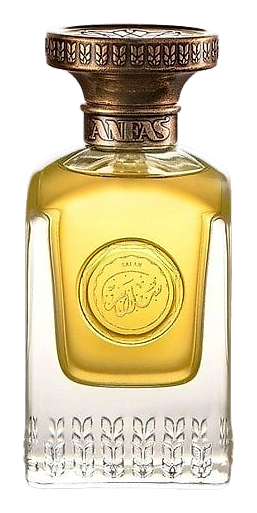
Salam arrived in 2014 as one of Anfas's first compositions, a collaboration between Emirati perfumer Asem Al Qassim and French nose Christian Carbonnel. The name carries weight in Arabic, salam means peace, greeting, surrender to something generous. Two perfumers from different traditions working on a fragrance meant to translate Arabian hospitality into something wearable across cultures. That's the brief. That's what Salam is.
The structure is deceptively simple: citrus top, floral heart, woody-musky base. What makes it work is the powdery quality that runs through the drydown, that amber-musky haze that rounds off jasmine's natural indolic sharpness and turns magnolia's creamy blossoms into something that stays close to the skin rather than projecting outward. It's the kind of composition that rewards proximity.
The evolution
The opening hits fast, mandarin and bergamot, bright and tart, the kind of citrus that doesn't pretend to be anything other than clean. Within fifteen minutes, the amber arrives and softens everything. The jasmine doesn't bloom so much as diffuse, slowly, into the composition rather than announcing itself. The magnolia holds the middle ground, neither heady nor shy. By the third hour, the sandalwood has settled and the musk has warmed to something skin-like, intimate. Eight to ten hours on most skin types. The drydown is what people remember, powdery, warm, the kind of scent that clings to clothes overnight.
Cultural impact
Salam sits comfortably in the tradition of Gulf oud-adjacent fragrances that appeal beyond their region of origin. The powdery amber warmth reads as universal in a way that straight oud doesn't, familiar enough to attract, different enough to intrigue. It performs consistently in warmer months but has enough warmth to work in cooler seasons, which explains its popularity across spring and fall according to community ratings.