The Story
Why it exists.
The beginning
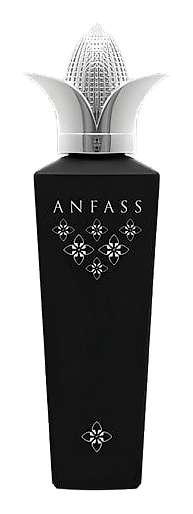
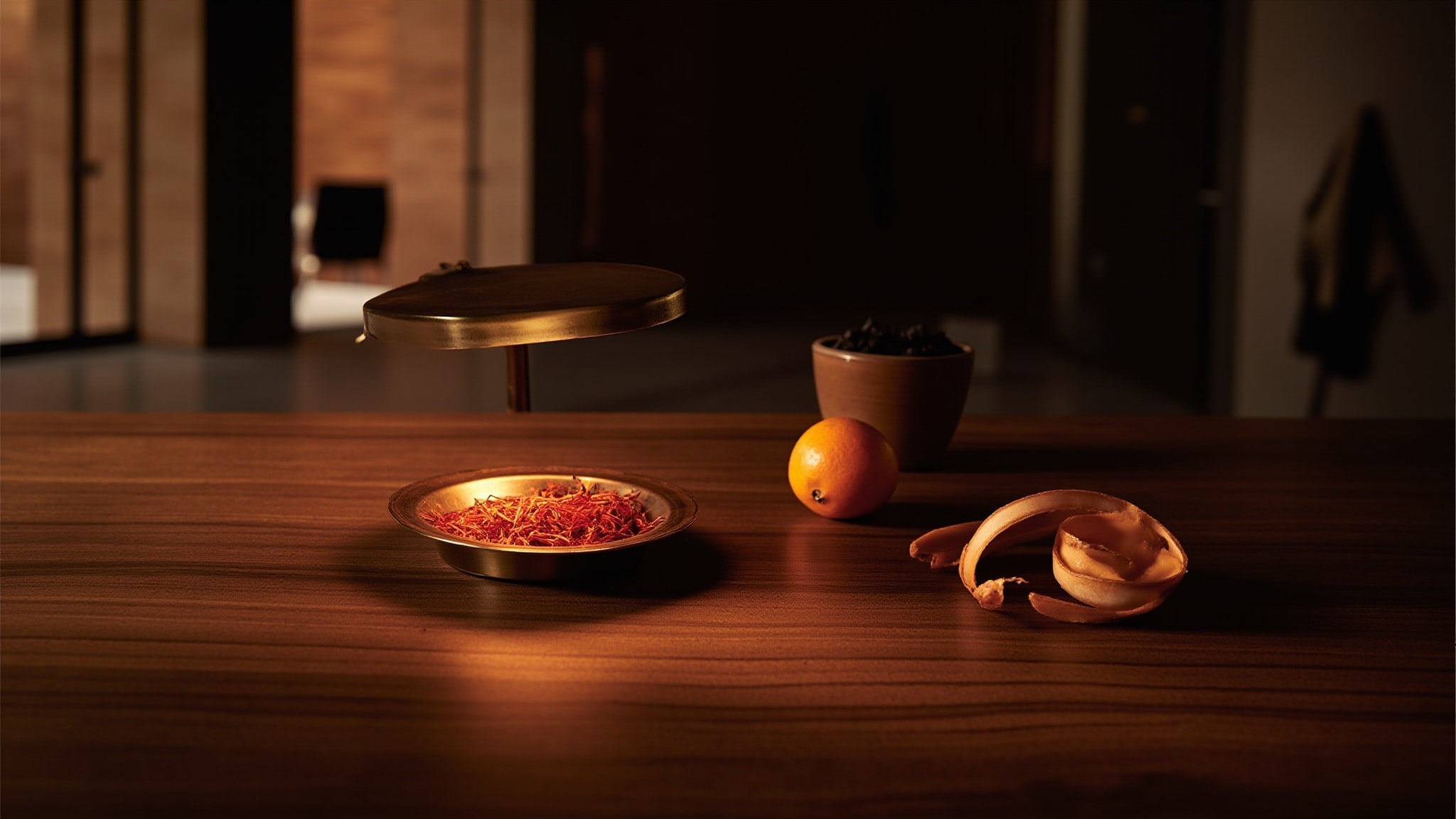
El Zafran arrived in 2014 as part of Anfas's inaugural collection, a six-fragrance debut that introduced the house to the niche world. The name translates directly to saffron, and the composition commits to that headline ingredient without apology. Christian Carbonnel, also credited as Chris Maurice, composed the scent alongside Asem Al Qassim, the brand's founder. Carbonnel brought classical European training to the project, while Al Qassim offered a perspective shaped by the Gulf's own perfumery heritage. The result is a fragrance that takes saffron seriously, treating it as a material worthy of structural consideration rather than a decorative flourish. The saffron reads as a central pillar, supported by an architecture of complementary notes that allow it to speak with clarity.
The opening belongs to saffron, and it makes its presence known immediately, paired with clementine to introduce a citrus brightness that keeps the initial impression from settling into something purely resinous. The heart is where the composition earns its complexity: cedar brings structural warmth, jasmine adds a floral lift that prevents the saffron from going heavy, and patchouli grounds everything with its earthy depth. The base is a deliberate layering of agarwood, sandalwood, and musk, each contributing a distinct character that builds the composition's foundation.
The evolution
The first moments belong to saffron and clementine, and they're loud. Bright citrus heat that reads as warm before it reads as fresh, with the saffron providing a leathery, almost metallic edge that cuts through the fruit. The jasmine soon enters, and the composition shifts toward something more floral-woody, the white floral lifting the heavier spice without softening it. Cedar and patchouli take over the middle hours, building a dense, slightly smoky core that sits close to skin but doesn't hide. The agarwood arrives in time, not aggressive but unmistakable, bringing a warmth that the saffron has been hinting at since the opening. Sandalwood and musk settle in for the long haul, creating a creamy, woody drydown that defines the fragrance's later stages.
Cultural impact
El Zafran holds a distinctive place in conversations about contemporary Arabian perfumery, particularly for those interested in how saffron can be treated as a serious compositional element rather than a fleeting accent. The fragrance appeals to wearers who appreciate structure and intentionality, offering a saffron-forward composition that doesn't apologize for its central ingredient. It resonates with those drawn to the material's natural complexity, the way it can read as spicy, leathery, or metallic depending on what surrounds it.