
The Story
Why it exists.
The beginning
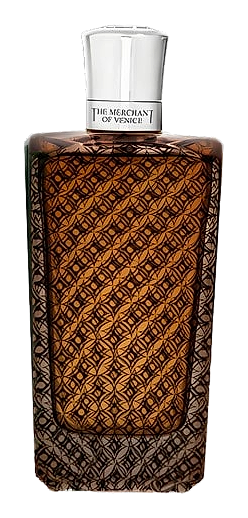
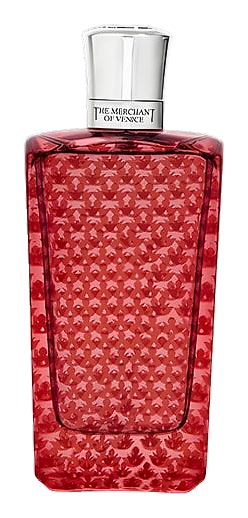
The name is the brief. A sultan conjures opulence, Eastern trade routes, the weight of precious materials in hand. For The Merchant of Venice, a house built on the city's centuries-old role as gateway between East and West, Sultan Leather was an inevitable creation. The launch arrived as part of the Nobil Homo collection, a line that takes Venice's mercantile heritage seriously. Where other houses invoke spice with metaphor, this fragrance pulls from the same supply routes that filled Venetian warehouses with saffron, sandalwood, and leather goods. The brief wasn't abstract: build a fragrance that tastes like wealth that traveled. The merchant's goods, not the palace's museum piece.
What makes Sultan Leather distinctive is the Blond leather note, uncommon in masculine compositions, which tend toward dark, smoky, or animalic leather accords. Here, the leather reads clean and warm rather than smoky. It accepts the saffron's metallic brightness without competing, then lets black musk anchor the drydown with something intimate. The composition also uses Siam benzoin, a balsamic resin that adds sweetness without sugariness, bridging the warm spice and the leather into something cohesive rather than segmented. The elemi resin in the opening, often overlooked, provides a citrusy-rosy lift that prevents the top from feeling like a spice cabinet alone.
The evolution
The opening hits immediate and assertive, saffron's metallic brightness, a flicker of nutmeg heat, elemi resin lifting the whole thing skyward. Black pepper punctuates. Thirty minutes in, the geranium arrives, cutting the spice with something green and slightly bitter. The cedarwood and sandalwood settle beneath, adding warmth without sweetness. By the second hour, the leather emerges fully, not the dark, smoky leather of winter fragrance myth, but something lighter, almost paper-like in its dryness. The black musk keeps it close to skin. The benzoin adds a faint resinous sweetness in the base that prevents the leather from going austere. On fabric especially, what remains is leather, warm musk, and the ghost of spice. On skin, the drydown is more intimate, the saffron has long faded, but the warmth lingers, a subtle reminder of the spices that opened the composition.
Cultural impact
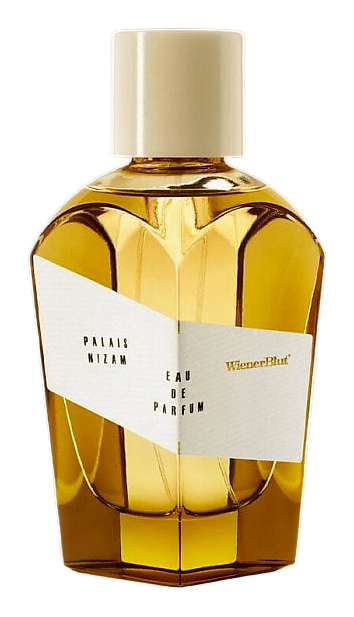
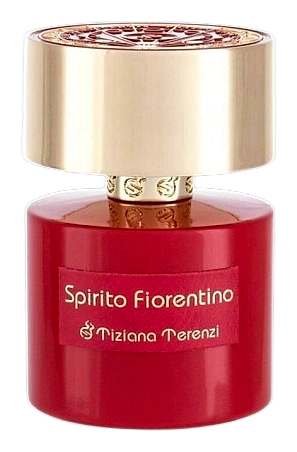
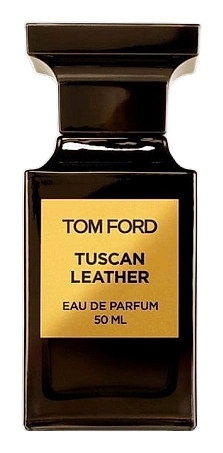
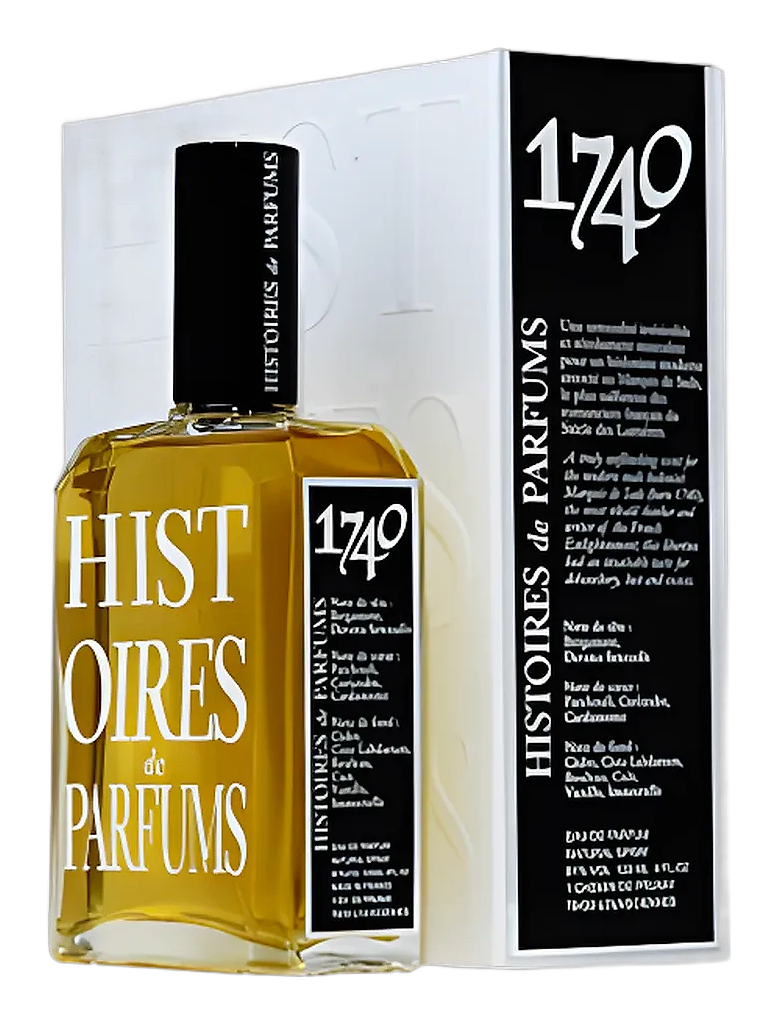
As part of the Nobil Homo collection, Sultan Leather positions itself within The Merchant of Venice's approach to masculine fragrance, rooted in Venice's role as a trading hub. The fragrance has found resonance among those who want leather-forward compositions that avoid the dark, smoky conventions of the category. Comparisons to Spirito Fiorentino by Tiziana Terenzi and Palais Nizam by WienerBlut suggest it occupies similar territory, warm and spicy with leather as a dominant note, though Sultan Leather's saffron-led opening distinguishes it from more conventional approaches.