The Story
Why it exists.
The beginning
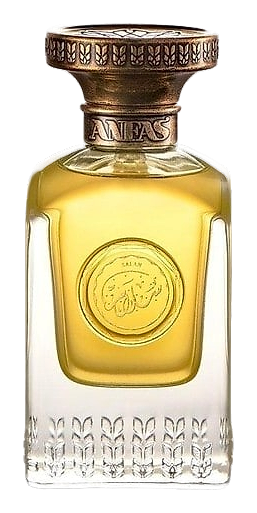
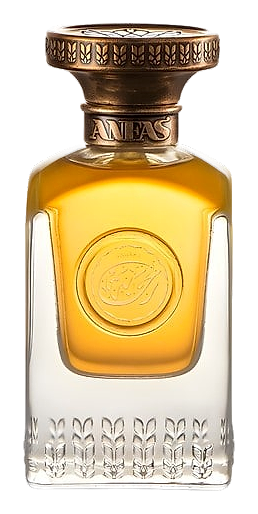
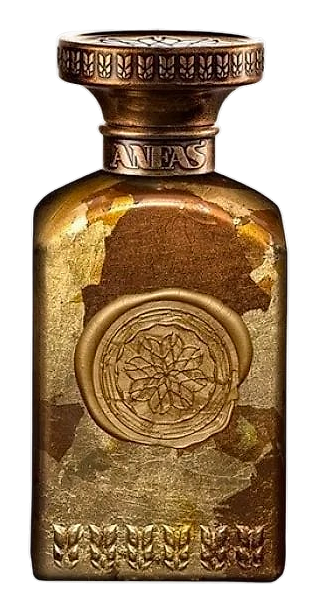
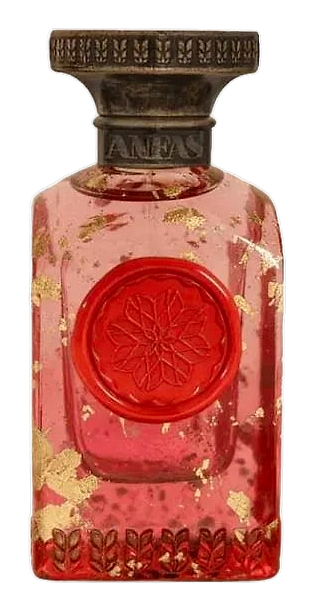
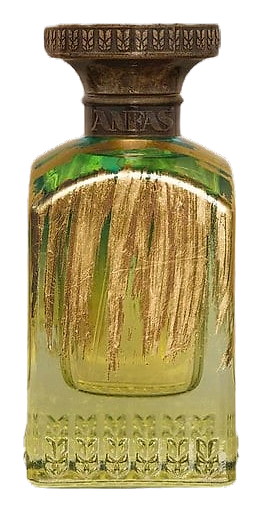
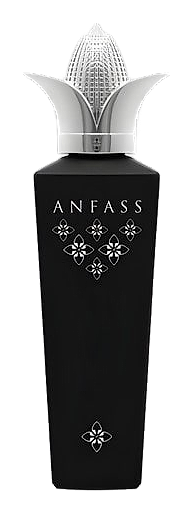
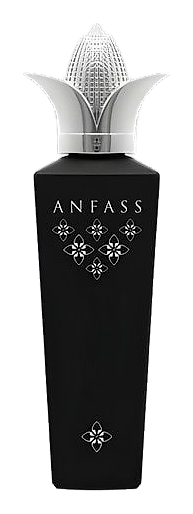
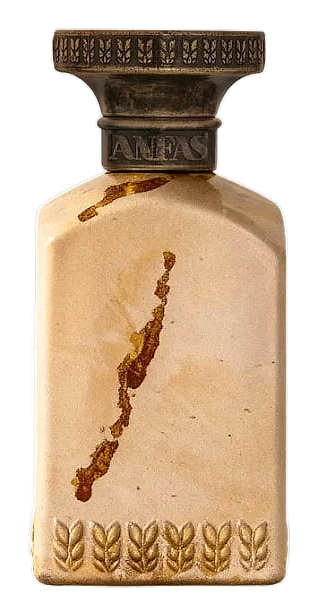
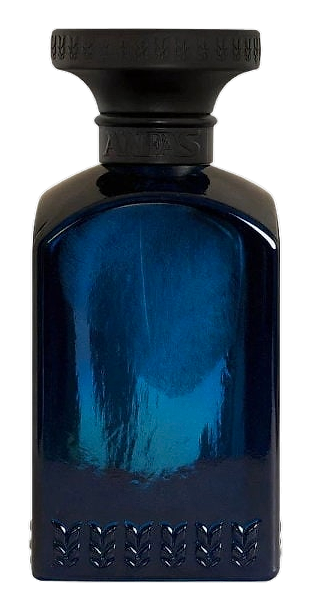
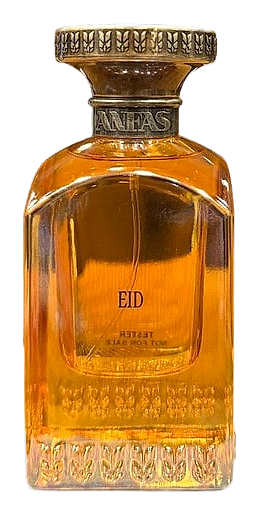
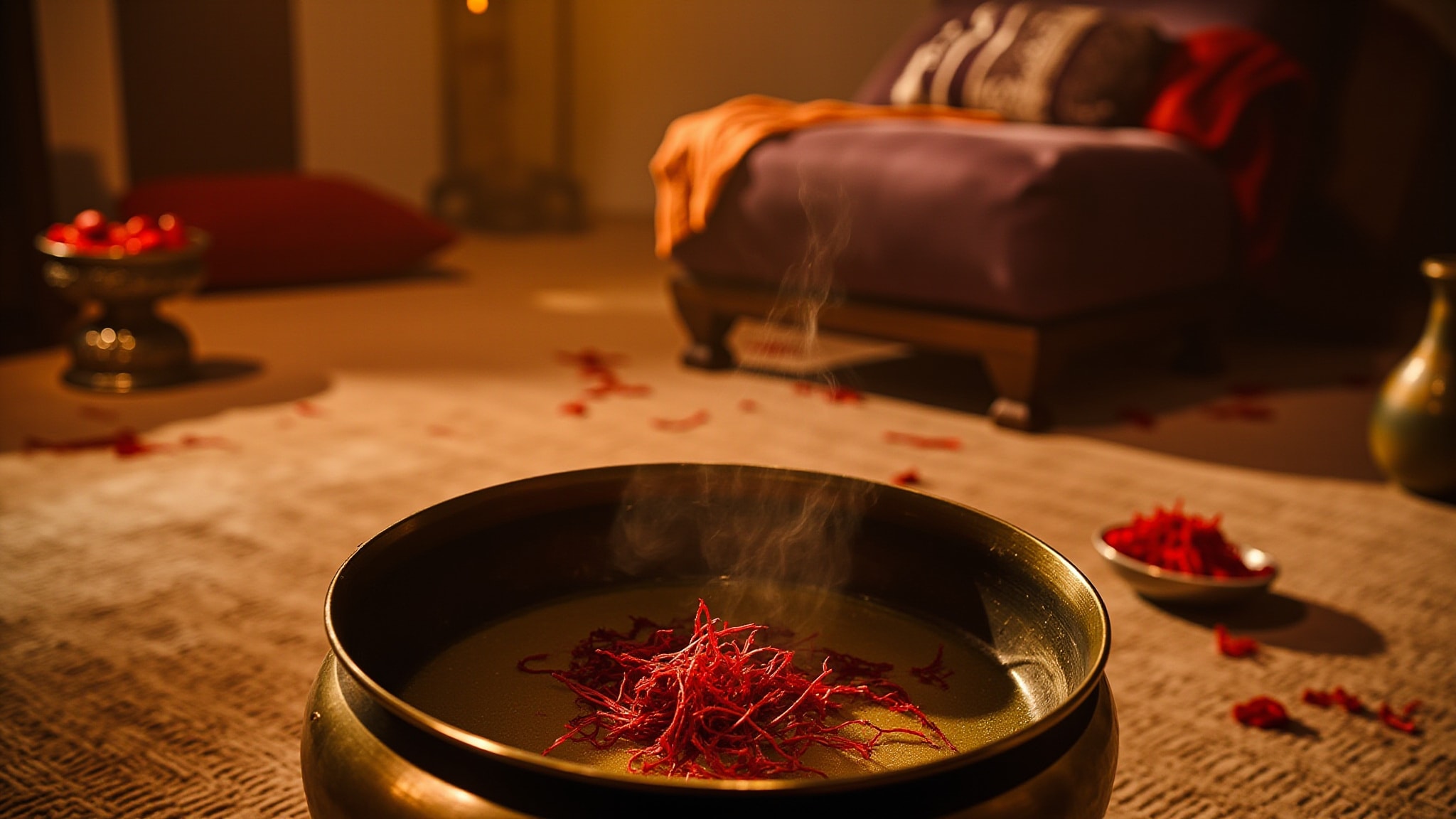
Eid by Anfas lands in 2026 as an explicit translation of a moment, an attempt to bottle the sensory texture of celebration itself. The brief was simple in concept and demanding in execution: capture the atmosphere of Eid, the warmth of the evening, the gathering of family, the layered richness of a room that feels full even before anyone speaks. What comes through in the juice is a composition that treats density as generosity. The saffron opens with a heat that feels almost tactile, the red fruits sweetening into something more like preserve than fresh-picked, and the florals and incense arriving not as a separate movement but as a continuation of the same gesture. The base grounds everything with leather and oud, materials that carry weight without feeling heavy.
What makes this composition work is the sequencing. The saffron arrives first, unmistakable and warm, setting a tone the rest of the fragrance refuses to dilute. The red fruits fold into the saffron rather than sitting on top of it, creating a sweetness that feels cooked rather than confectionery, more fig compote than candy. The rose and jasmine aren't there to perfume. They act as a soft exhale, a moment of lift between the heat of the opening and the smoke that follows. The incense threads through everything, never quite separating itself from the florals or the fruit.
The evolution
The opening hits with saffron pressed into warm fabric, the red fruits offering a sugared edge that reads more jam than fresh fruit. Within minutes the smoke starts to surface, not as a separate event but as something already underneath the saffron, rising slowly. The florals arrive next, rose and jasmine both, softened by incense that has been building the whole time. This is the phase that feels most wearable on skin, the moment where the composition finds a gentler register while keeping its warmth. As the fragrance settles, the leather begins to show itself, rougher than expected, rougher than most leather notes in this register, and the fruit starts to recede into something darker. In the later hours the composition moves into oud-leather-musk territory, reading more as skin-warmed atmosphere than as a recognizable scent.
Cultural impact
Eid is the kind of fragrance that meets its occasion rather than retreating from it. It carries the saffron-fruit opening that signals warmth before the base has even arrived, the incense threading through that feels ceremonial without being performative, and a leather-oud drydown that settles into the skin like a room settling into evening. The composition draws on materials that have long been associated with Gulf fragrance tradition, saffron, rose, oud, leather, but the way they're assembled here feels current rather than archival.
The House
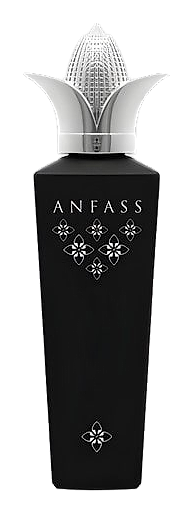
AnfasAnfas is a niche fragrance house rooted in the United Arab Emirates, built around the vision of Asem Al Qassim, who holds the distinction of being recognized as the first certified Emirati perfumer. The brand channels the sensory language of Arabian perfumery, working primarily with oud, amber, and regional botanical materials to create scents that carry cultural memory and geographic specificity. Each fragrance functions as a narrative artifact, expressing moments from Gulf heritage, hospitality traditions, and the landscape of the Emirates. The collection spans perfumes for personal wear and home fragrance, positioning Anfas within the intersection of artisanal craft and contemporary luxury retail. The brand is distributed through specialty retailers including The Scent Library and La Parfumerie USA, reaching fragrance collectors internationally.
The Creator
Asem Al QassimAl Qassim favors bold compositions that challenge expectations. His work explores contrasts: citrus brightness against spicy depth, airy musks grounded by warm woods.