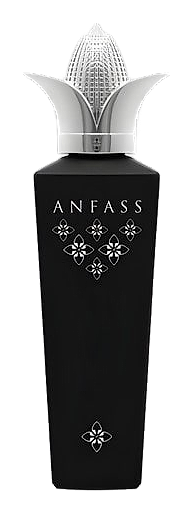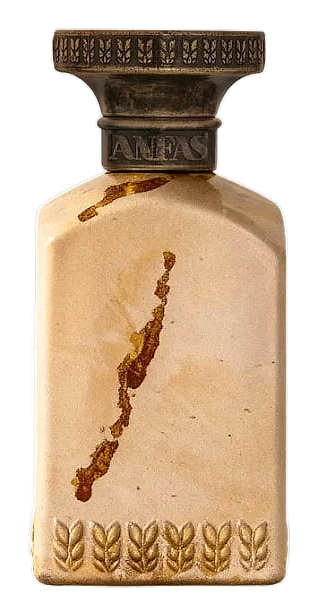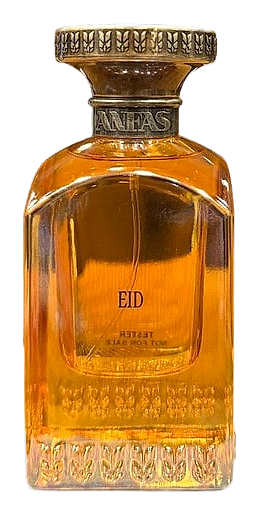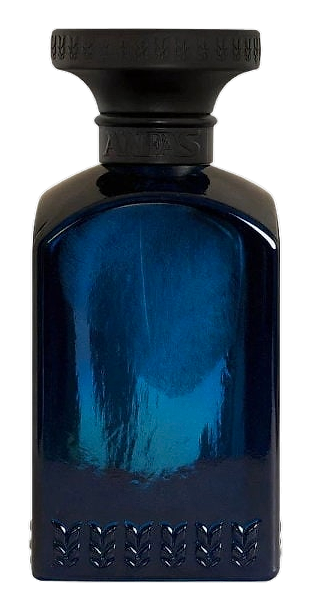
The Story
Why it exists.
The beginning
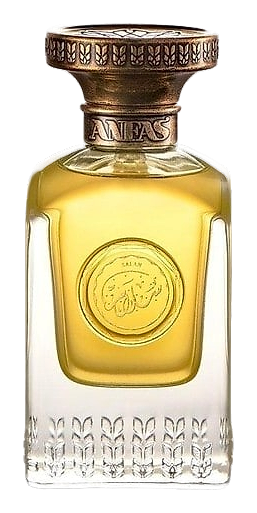
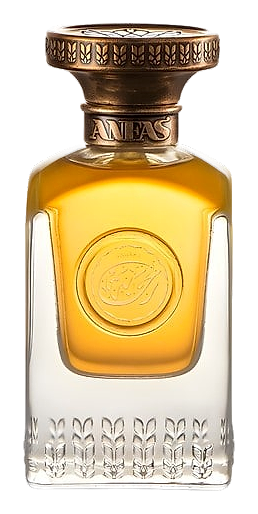
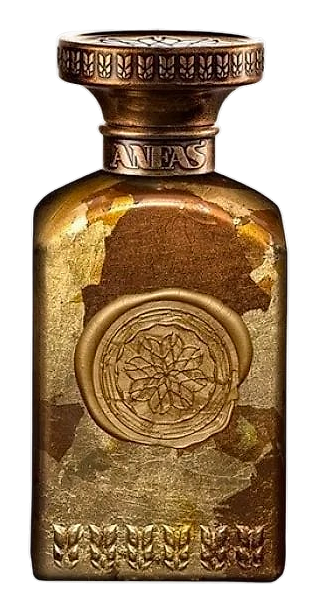
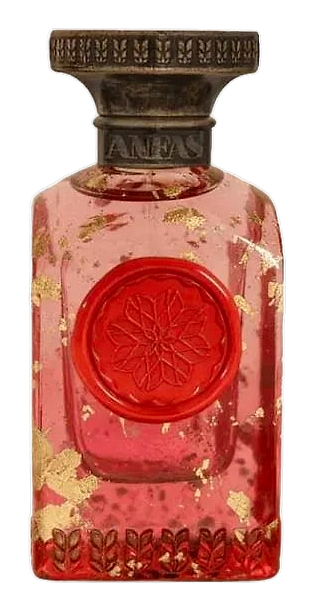
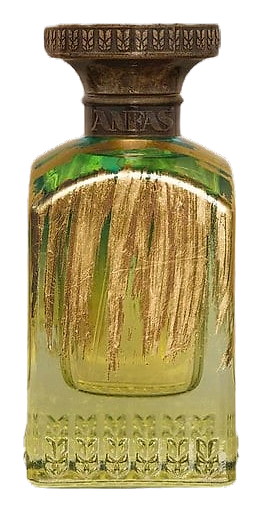
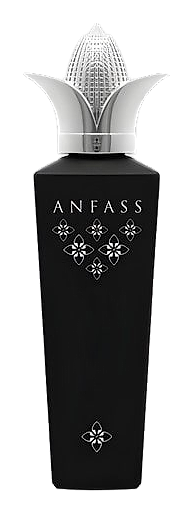
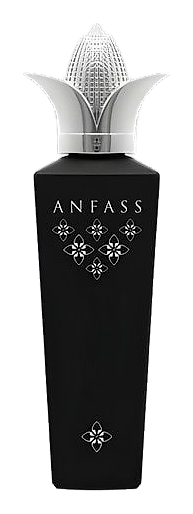
Sarab arrived in 2014 as part of Anfas's expanding catalog, a fragrance house operating out of the Gulf region. The brand's founder, Asim (also referenced as Asem) Al Qassim, has built the label around compositions that draw on familiar regional traditions while still leaving room for lighter, more contemporary structures. Sarab enters that catalog as a citrus-wood composition that reads modern rather than traditionally oud-heavy. Its name carries Arabic resonance, drawing on the word سarab, which suggests something mirage-like or sought-after, a quality that sits naturally with the clean, bright direction of the juice itself.
What makes Sarab structurally interesting is its restraint. Where many regional fragrances lean into dense oud, heavy amber, or pronounced sweetness, this one keeps the architecture simple. Citrus on top, aromatic notes at the core, cedarwood anchoring the drydown. That minimalism isn't accidental; the composition reads as an exercise in clarity rather than complexity. The aromatic middle is where the composition does its real work, bridging the sharp citrus opening to the woody base without sliding into the heavier territory that so many Gulf-released scents occupy.
The evolution
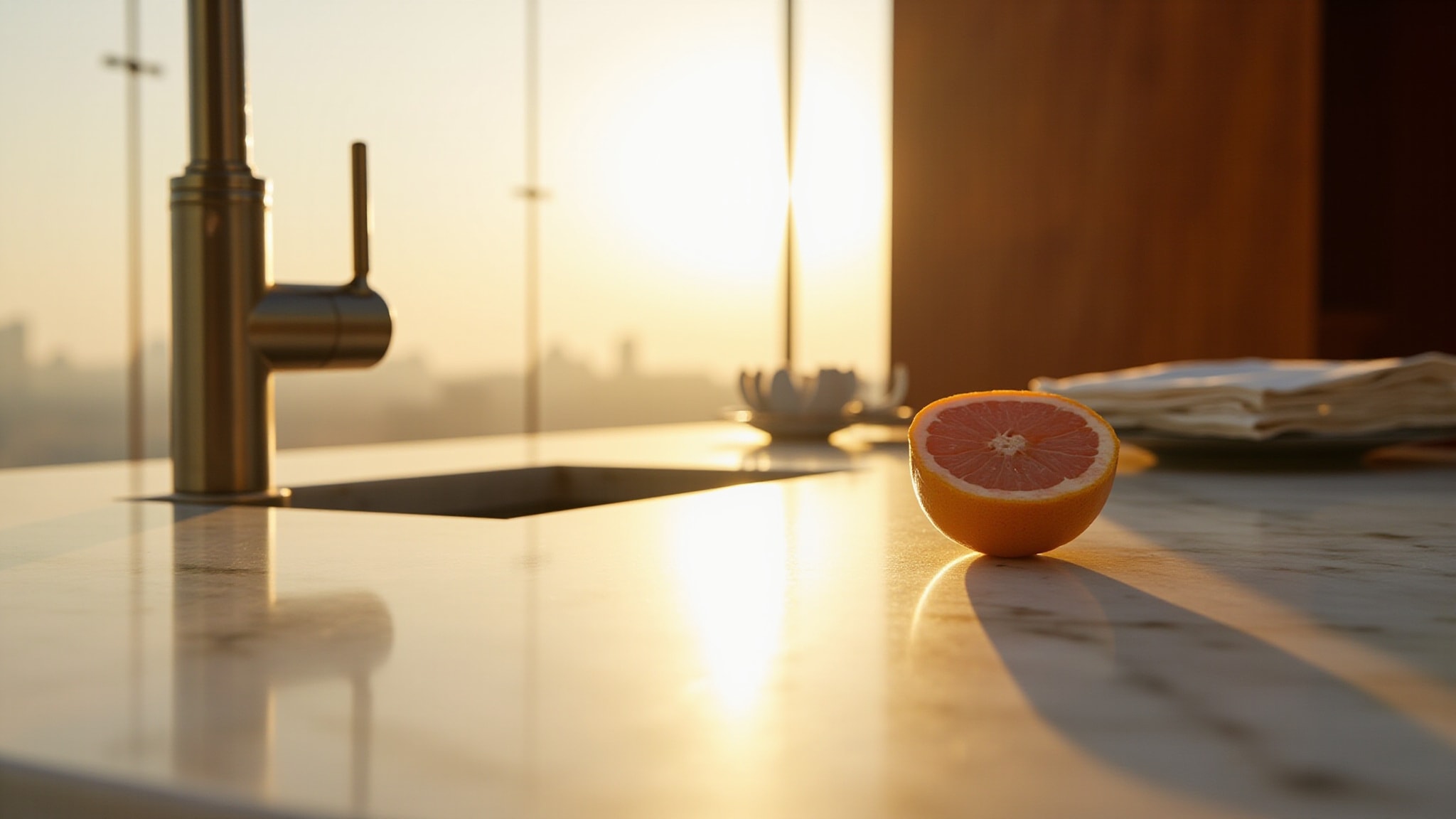
Sarab opens with a burst of citrus that feels almost effervescent on skin, sharp enough to catch attention but not so aggressive that it announces you from across a room. The top notes, grapefruit, bergamot, and green mandarin orange, push a bright, slightly green citrus character across the surface, clean and uncomplicated, the kind of opening that leans into freshness rather than warmth. As that top layer settles, an aromatic middle emerges, softer and slightly herbaceous, bridging the opening brightness to something more grounded. This middle phase allows the composition to settle into itself, a transitional space where the citrus mellows and the cedar begins to assert itself. The drydown is where Sarab finds its final register, a warm cedarwood that sits close to skin, woody without heaviness, dry without austerity.
Cultural impact
Sarab sits comfortably within a Gulf fragrance tradition that often leans toward the heavy and resinous, and its clean citrus-wood character offers something a little different from that default. The name itself draws on the Arabic word for mirage, framing the wearer experience as something elusive and sunlit rather than heavy or overtly resinous. The choice of grapefruit, bergamot, and green mandarin orange on top gives the fragrance an opening that reads bright and immediate, while the cedarwood base keeps the composition rooted in a regional vocabulary of woods and warmth.
The House
AnfasAnfas is a niche fragrance house rooted in the United Arab Emirates, built around the vision of Asem Al Qassim, who holds the distinction of being recognized as the first certified Emirati perfumer. The brand channels the sensory language of Arabian perfumery, working primarily with oud, amber, and regional botanical materials to create scents that carry cultural memory and geographic specificity. Each fragrance functions as a narrative artifact, expressing moments from Gulf heritage, hospitality traditions, and the landscape of the Emirates. The collection spans perfumes for personal wear and home fragrance, positioning Anfas within the intersection of artisanal craft and contemporary luxury retail. The brand is distributed through specialty retailers including The Scent Library and La Parfumerie USA, reaching fragrance collectors internationally.
The Creator
Christian Carbonnel a.k.a. Chris Maurice, Asem Al QassimCarbonnel is at his most distinctive when building rich, layered oriental compositions that unfold over hours on the skin. He favors high-quality natural materials and constructs fragrances with real depth—top notes that sparkle, heart notes that develop, and base notes that a…