The Story
Why it exists.
The beginning
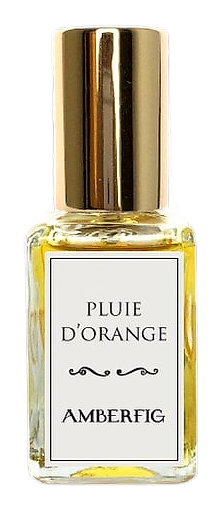
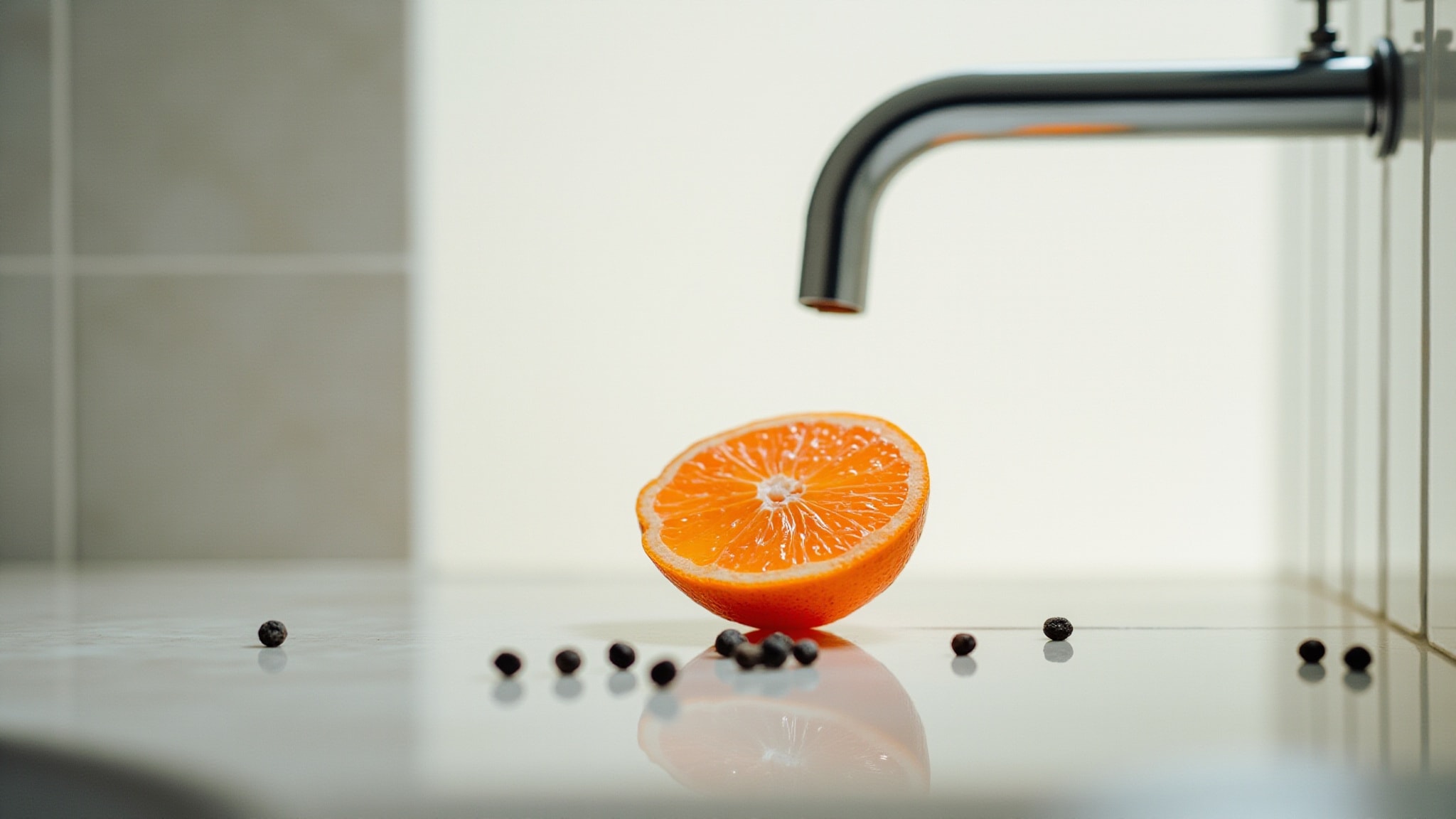
Pluie d'Orange arrived in 2018 through Amberfig. The perfumer here is David Magalhães, and the brief, judging by the structure, was citrus done wrong on purpose. Most orange-led fragrances lean sweet, creamy, or photorealistic to the point of gimmick. Pluie d'Orange does something colder and more architectural. The French name translates, roughly, to orange rain, and the composition reads like that very specific moment: citrus meeting cold air, pepper cutting before the sweetness can settle into something obvious. The construction sets up a study in restraint rather than abundance, where each citrus element has room to articulate without melding into a generic orange accord.
What's interesting here is the tension at the top. Four opening notes, three of them citrus, and then black pepper sitting among them like a dare. Magalhães handles it by letting the pepper sit at the edges instead of center, a low background hum that sharpens the orange rather than competing with it. Yuzu adds that elusive sour-ozone quality, the note that tastes like electricity. Pink grapefruit keeps the whole thing from going too sour. It is a careful construction, and the restraint is what makes the heart possible.
The evolution
The first ten minutes are all about the citrus-pepper handshake. Sweet orange dominates but doesn't smother, yuzu throws cold sparks, pink grapefruit catches the light, and black pepper works the underside. The pepper never announces itself outright, it just makes the sweetness feel less like sugar and more like skin. Around the twenty-minute mark, the water notes and white ginger lily surface. This is where the fragrance pulls away from straightforward citrus and earns its composure. The aquatic note isn't a heavy ozonic blast, it's more like humidity, the kind of moisture that settles on skin when warm air meets a cool breeze. White ginger lily adds a creamy-cool floral that keeps everything from going too cold. As hours pass, the base takes over. Vetiver does the heavy lifting, earthy and slightly smoky, grounding the whole arc.
Cultural impact
Pluie d'Orange sits comfortably in the niche citrus conversation without trying to provoke it. It's a composition that reads as deliberate, controlled, aware of citrus's long history in perfumery and uninterested in repeating its obvious moves. Pluie d'Orange treats orange as a compositional problem to solve rather than a crowd-pleaser to deploy. The kind of scent someone picks when they're done letting citrus be purely decorative.
The House
AmberfigAmberfig occupies a distinctive space in contemporary perfumery, presenting itself as a niche fragrance house with a collaborative approach to creation. The brand emerged in 2014, making it a relatively young player in a field that includes houses with centuries of history, yet it has built a catalog spanning over a decade with releases that range from 2015 through 2026. The name Amberfig itself suggests a signature aesthetic rooted in warm, resinous materials alongside green or fruity facets, though the house has demonstrated range across multiple fragrance families. According to fragrance databases, Amberfig has produced at least ten distinct releases, with perfumers credited as collaborators rather than house perfumers, suggesting a model that brings in external expertise for individual projects. The brand appears to operate without the extensive media presence of established heritage houses, instead building recognition through its olfactory offerings and community discussion. This positioning reflects a broader trend in niche perfumery where smaller, more experimental houses can reach global audiences without traditional retail infrastructure.
The Creator
David MagalhãesHis signature style leans toward rich, resinous constructions with prominent amber and fig influences, evident in creations like Amberfig. Magalhães demonstrates particular skill with warm oriental frameworks, layering creamy woods, sweet resins, and subtle spice to create fra…