The Story
Why it exists.
The beginning
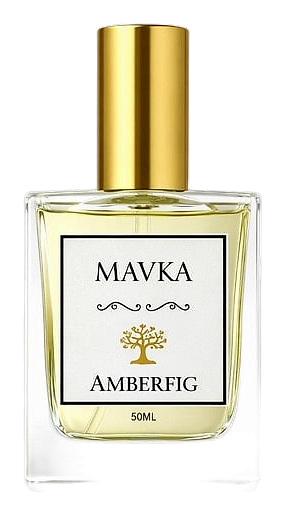
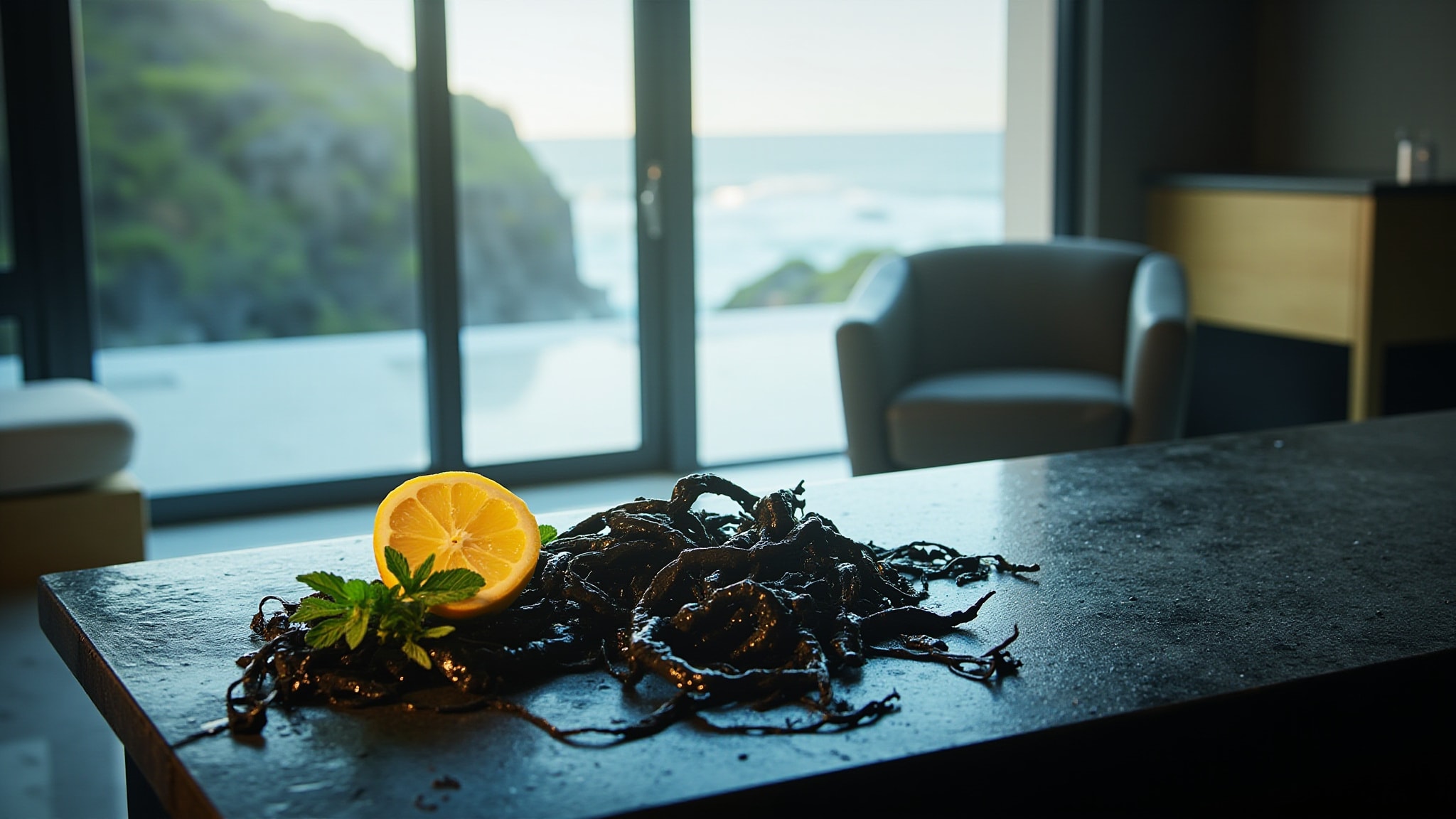
Mavka takes its name from the Rusalka of Slavic mythology, a shadowless sea nymph whose penetrating gaze can enchant those who enter her territory. David Magalhães built the 2025 fragrance around that meeting point of water and forest. Mint and lemon supply the first clean breath, while seaweed brings the ocean directly into the composition. The result is not a soft aquatic scent. It is a fragrant crossing, where sea air behaves like an intruder walking through dense green growth.
The unusual part is the route the scent takes. A bright, familiar opening gives way to seaweed and wintergreen, so freshness acquires a saline, almost windblown edge. Saffron adds warmth without making the composition sweet or dense. That warmth gives the earthy base somewhere to land later, while vetiver and patchouli keep the drydown rooted rather than washed out by the marine accord.
The evolution
The opening arrives with the clean snap of mint and lemon, bright enough to feel like air moving over water. As those notes soften, seaweed and wintergreen take over. The scent becomes colder, greener, and more textured, like a sea breeze passing through wet leaves. Saffron introduces a low, warm flicker, but it doesn't turn the composition rich. Instead, it gives the transition a little heat. Then vetiver and patchouli settle underneath, turning the aquatic brightness into a darker, earthy trail. The drydown is where Mavka changes character most. What began as mint, lemon, and open air becomes a scent with roots, low woods, and a faint mineral memory of the sea. Its moderate projection keeps the scent close, while a loyal following among enthusiasts speaks to its distinct sense of place and composition.
Cultural impact
Mavka belongs to the participatory connoisseurship world Amberfig occupies, where scent is explored through curiosity and personal taste rather than inherited rules. Its meeting of ocean and forest gives that collector's ethos a clear object: something mysterious, elemental, and easy to read differently depending on where you meet it.
The House
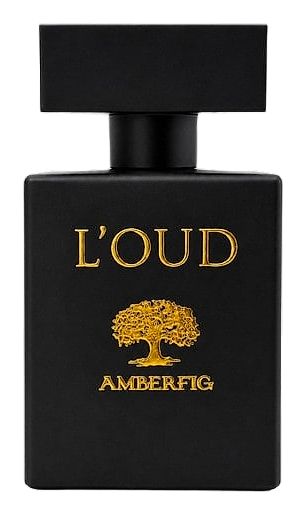
AmberfigAmberfig occupies a distinctive space in contemporary perfumery, presenting itself as a niche fragrance house with a collaborative approach to creation. The brand emerged in 2014, making it a relatively young player in a field that includes houses with centuries of history, yet it has built a catalog spanning over a decade with releases that range from 2015 through 2026. The name Amberfig itself suggests a signature aesthetic rooted in warm, resinous materials alongside green or fruity facets, though the house has demonstrated range across multiple fragrance families. According to fragrance databases, Amberfig has produced at least ten distinct releases, with perfumers credited as collaborators rather than house perfumers, suggesting a model that brings in external expertise for individual projects. The brand appears to operate without the extensive media presence of established heritage houses, instead building recognition through its olfactory offerings and community discussion. This positioning reflects a broader trend in niche perfumery where smaller, more experimental houses can reach global audiences without traditional retail infrastructure.
The Creator
David MagalhãesHis signature style leans toward rich, resinous constructions with prominent amber and fig influences, evident in creations like Amberfig. Magalhães demonstrates particular skill with warm oriental frameworks, layering creamy woods, sweet resins, and subtle spice to create fra…