The Story
Why it exists.
The beginning
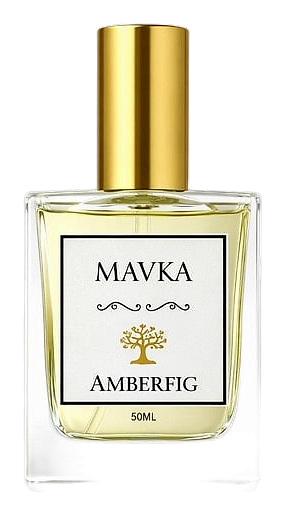
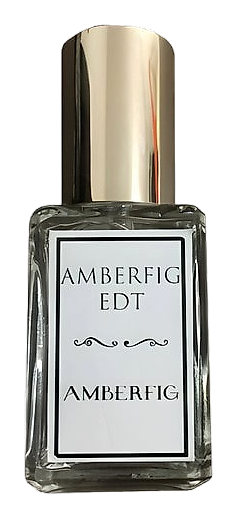
Amberfig Eau de Toilette was composed by David Magalhães, a Portuguese perfumer whose work on the formula gives the scent its particular tension. The composition opens with the bright snap of galbanum and lemon, two materials that arrive with a green, almost vegetal intensity. Galbanum is the kind of ingredient that can dominate a formula if left unchecked. Here it does the opposite, opening like a curtain rather than a wall, giving way to a fig and cognac heart that softens without ever fully settling. The interplay between the sharp top and the warmer middle is what defines the composition's character. Galbanum's bitterness and resinous edge sit against fig's creamier, more rounded sweetness, and the tension between them does most of the work.
What makes Amberfig Eau de Toilette worth pulling off the shelf is the conversation between galbanum and fig at the top. These two materials live on opposite sides of the green-warm spectrum. Galbanum is bitter, resinous, almost rubbery in concentration. Fig is sweet, vegetative, creamy. The two meet here without fully merging, each retaining enough of its own character to stay legible. Galbanum brings a sharp, green clarity that reads as cut stems and raw sap. Fig brings something softer, almost milky, with a sweetness that feels rooted in the fruit rather than added on top.
The evolution
The opening is a blade. Galbanum leads, bright and almost aggressive, with lemon adding high acidity and fig leaf grounding it in something botanical and slightly bitter. There's a greenness here that reads more like cutting stems than crushed leaves, raw and alive. Peach tries to soften it but doesn't quite manage. The opening doesn't ease you in. It walks in first. As the composition settles, fig arrives full and ripe, its milky sweetness tempered by cognac's darker, oaky warmth. Lavender and coriander step in, adding herbal coolness that keeps the fruit from turning syrupy. The fruit and the green notes share space for a while, neither fully winning, and that balance gives the middle phase its particular weight. The drydown brings amber, tonka bean, and cedar forward, with white musk underneath.
Cultural impact
Amberfig Eau de Toilette offers a take on fig that doesn't flatten the fruit into a single note. The composition treats fig as a range rather than a fixed point, bringing in galbanum and lemon for sharpness, cognac for warmth, and a base of amber, tonka bean, cedar, and white musk for depth. That approach gives the fragrance a complexity that rewards attention. The green-warm tension at the heart of the composition is what sets it apart from simpler fig accords. Rather than leaning entirely into the fruit's sweetness or its leafy bitterness, it holds both in play, with cognac serving as the bridge between them.
The House
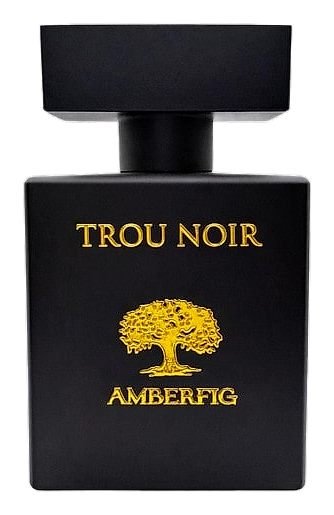
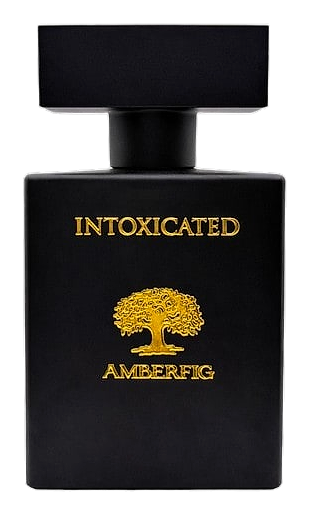
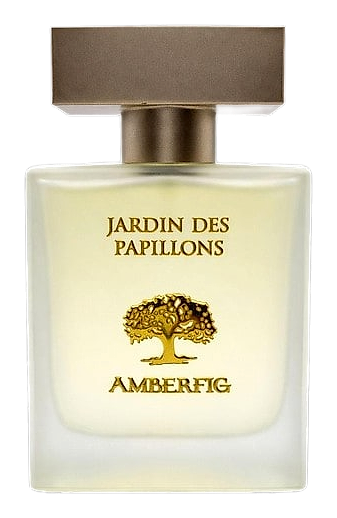
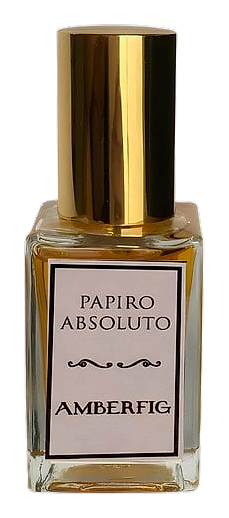
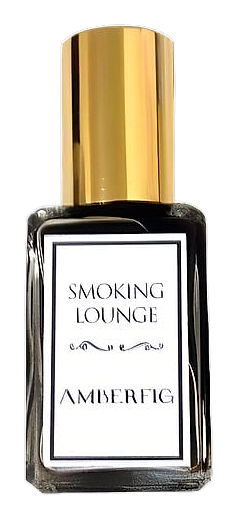
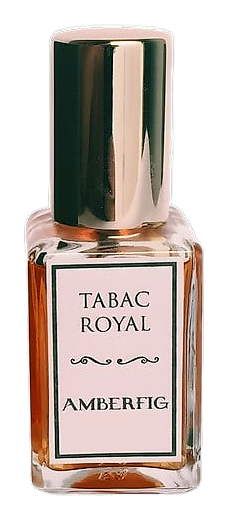
AmberfigAmberfig occupies a distinctive space in contemporary perfumery, presenting itself as a niche fragrance house with a collaborative approach to creation. The brand emerged in 2014, making it a relatively young player in a field that includes houses with centuries of history, yet it has built a catalog spanning over a decade with releases that range from 2015 through 2026. The name Amberfig itself suggests a signature aesthetic rooted in warm, resinous materials alongside green or fruity facets, though the house has demonstrated range across multiple fragrance families. According to fragrance databases, Amberfig has produced at least ten distinct releases, with perfumers credited as collaborators rather than house perfumers, suggesting a model that brings in external expertise for individual projects. The brand appears to operate without the extensive media presence of established heritage houses, instead building recognition through its olfactory offerings and community discussion. This positioning reflects a broader trend in niche perfumery where smaller, more experimental houses can reach global audiences without traditional retail infrastructure.
The Creator
David MagalhãesHis signature style leans toward rich, resinous constructions with prominent amber and fig influences, evident in creations like Amberfig. Magalhães demonstrates particular skill with warm oriental frameworks, layering creamy woods, sweet resins, and subtle spice to create fra…