The Story
Why it exists.
The beginning
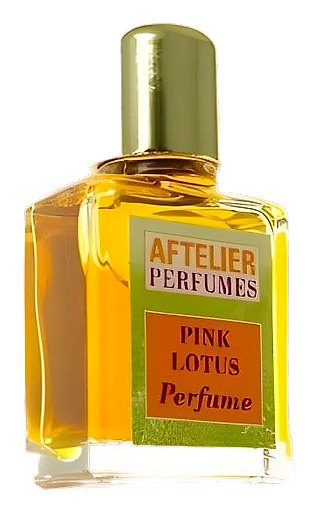
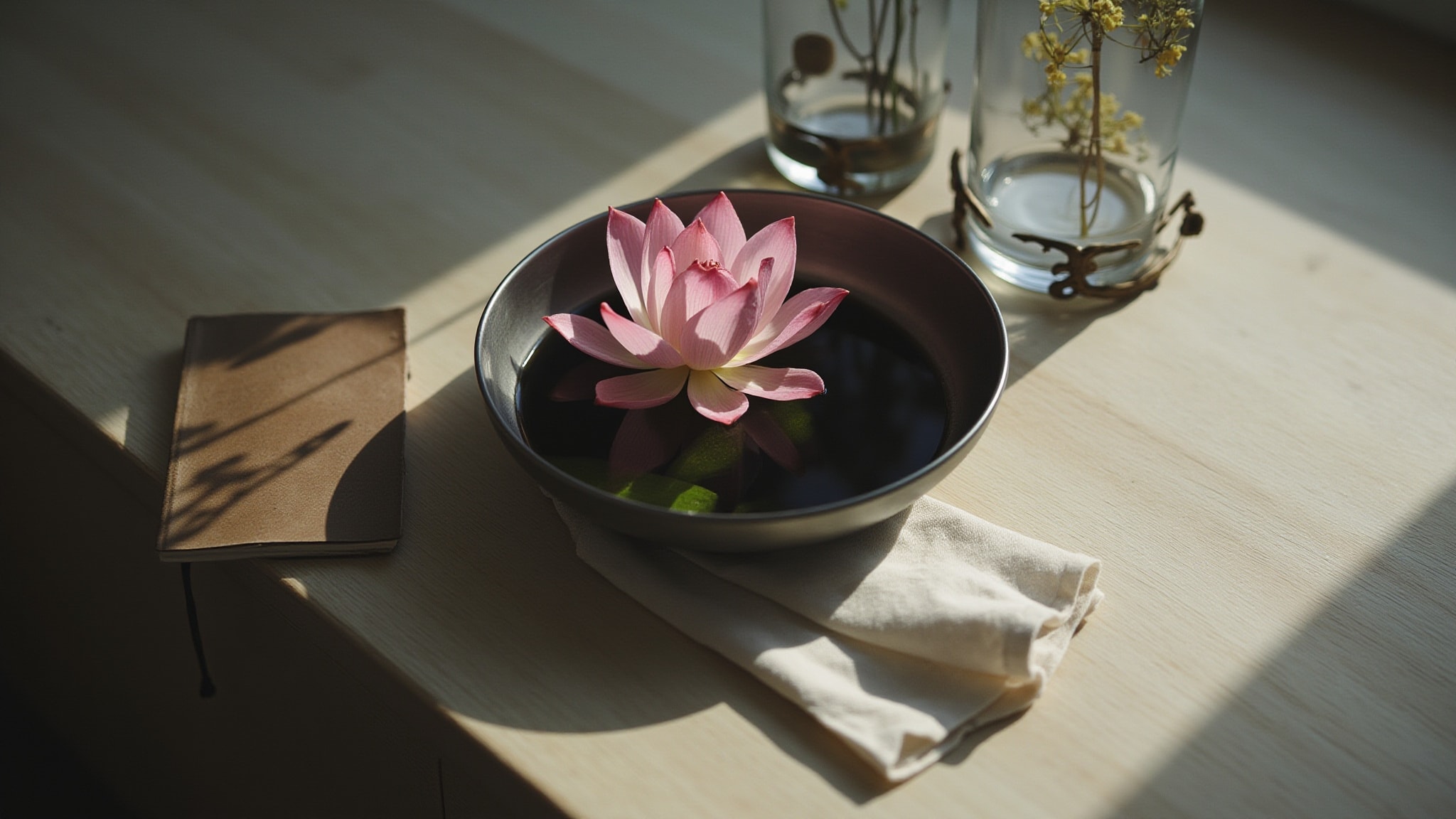
Pink Lotus draws its name from the lotus itself, a flower that opens above water but roots in mud. The composition reads that way too: a clean, floating surface over something earthy and anchored. It's a study in what happens when lush white florals meet the structural honesty of a chypre base. The opening lifts with a watery clarity, a sense of petals unfolding on the skin, before the deeper notes settle in. That mossy, slightly bitter undertow arrives gradually, grounding the sweetness without burying it. As the hours pass, the floral heart softens into something creamier, and the chypre architecture takes over, leaving behind a dry, contemplative trail that lingers close to the skin.
The structure here does something worth noticing. Bergamot and bitter orange open with citrus brightness that reads almost aquatic, but the heart swings heavy: jasmine, tuberose, ylang-ylang, three of the most opulent naturals in a perfumer's palette. What keeps them from collapsing into sweetness is the chypre backbone. Oakmoss and sandalwood at the base act as a counterweight, pulling the florals down into something mossy, slightly bitter, and grounded. The tension between floating flowers and rooted earth is the whole composition's argument, and it's what gives Pink Lotus its specific weight without volume.
The evolution
The first ten minutes belong to the citrus. Bergamot and bitter orange arrive cool, almost ozonic, with a thinness that reads like morning air. Then the florals take over, and they take over properly. Jasmine brings its indolic edge, tuberose adds that creamy, almost carnal fullness, and ylang-ylang rounds everything with a banana-leaf greenness. For roughly the first hour, the fragrance sits close to skin with a soft projection, present when you move your wrist, absent when you're still. The shift happens slowly. Oakmoss arrives not as a sudden reveal but as a deepening: the white florals lose their brightness and gain a shadowed, forest-floor undertone. Sandalwood adds a woody cream that smooths the transition. By hour two, the composition has settled into its drydown, mossy, faintly powdery, with the tuberose still humming underneath. The longevity sits modest, which means this is a fragrance built for proximity. On a scarf or at the nape, it lingers longer than on bare skin, earning a quiet loyalty among wearers who value intimacy over announcement.
Cultural impact
Pink Lotus sits within a lineage of floral chypres, a category that once defined mainstream perfumery and now lives on in more curious corners of the fragrance world. The chypre structure, built on a contrast between bright florals and a mossy, slightly resinous base, gives the scent an old-fashioned gravity that feels deliberate rather than nostalgic. The white florals here carry a creamy, almost dewy quality, while the chypre foundation adds an earthy counterweight that keeps the whole composition from drifting into pure sweetness.