
The Story
Why it exists.
The beginning
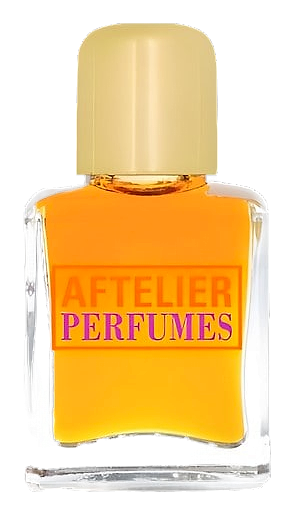
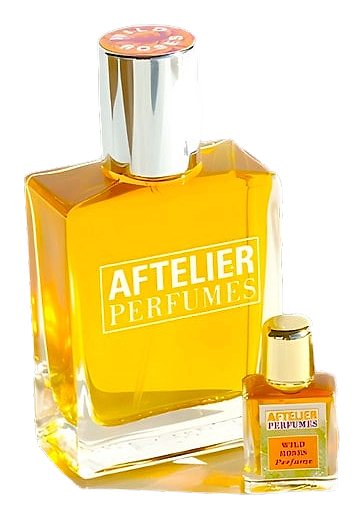
Wild Roses arrived in 2012 from Mandy Aftel's Berkeley studio. The fragrance grew out of her fascination with rose not as a single ingredient but as a family of them. Damask rose for the bright sweetness, the unmistakable fruit-and-honey facet that defines the fresh-picked flower. Turkish rose absolute for the deep, slightly spicy undertone that earns the composition its complexity, that darker, almost jammy quality the absolute carries. The result is a rose fragrance that treats the flower as a starting point rather than a destination, a composition that asks you to consider what rose can be when it isn't leaning on a single facet.
What separates this from the pile of rose fragrances on the market is the deliberate friction Aftel builds around the flower. Geranium and heliotrope sharpen the top into something almost herbal, a cool, slightly green entry that pulls the rose away from its usual associations. Allspice and apricot introduce a fruit-and-spice tension that keeps the rose from collapsing into sweetness, a counterweight that gives the composition its edge.
The evolution
The first ten minutes smell almost nothing like rose. Heliotrope and geranium push forward first, a slightly powdery, almond-adjacent herbal opening that could pass for a cologne. Then Damask rose arrives and the composition remembers what it came here to say. The Turkish rose absolute takes another few minutes to surface, and when it does it brings the allspice with it. That's the moment Wild Roses shifts from floral to something warmer, a spiced-rose accord with the apricot humming underneath like a thread of light. By the second hour the rose has settled into the vanilla and patchouli, and the vanilla takes over the conversation, but it isn't a gourmand vanilla. It's a dry, almost smoky vanilla that's been dragged through soil, dark and a little bitter, with the patchouli giving it weight.
Cultural impact
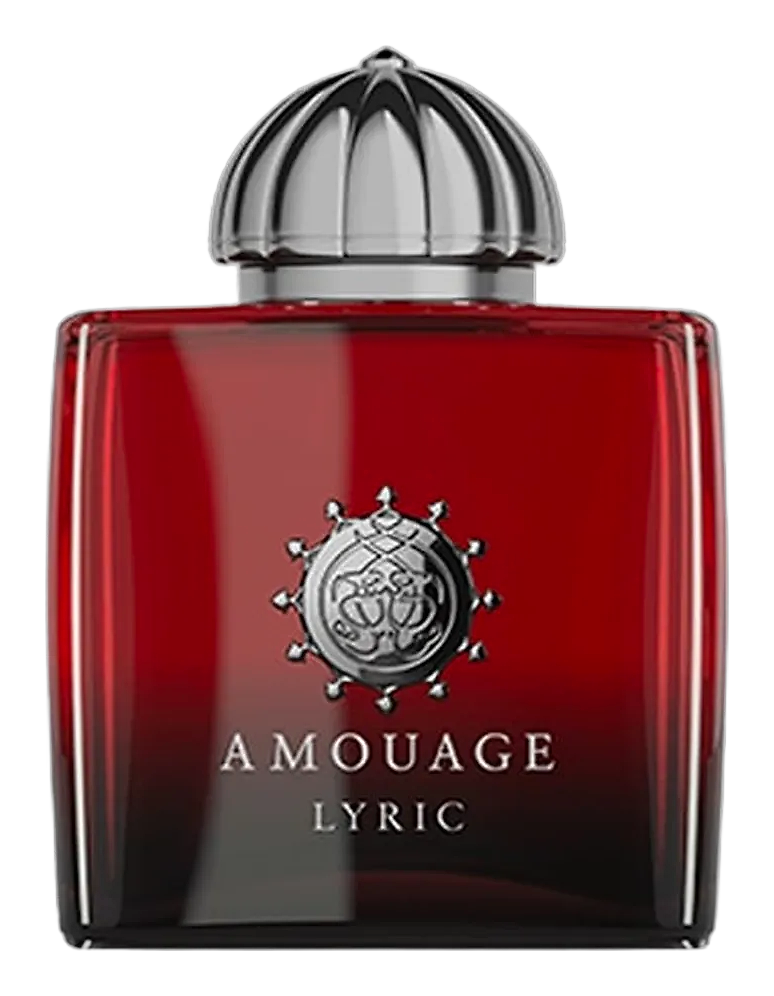
Wild Roses occupies a distinctive place among rose fragrances for the way it refuses to lean on the note's softer associations. Where many compositions settle into bridal sweetness or dewy-floral comfort, Aftel's version uses the tarragon and allspice to push the rose into rougher, more savory territory. The composition draws comparisons to Amouage Lyric Woman and Tom Ford Noir de Noir, both listed by wearers as adjacent reference points, but the tarragon wildcard and the natural-material palette keep it in its own register.