The Story
Why it exists.
The beginning
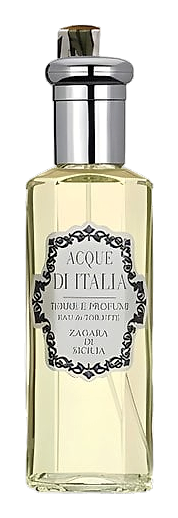
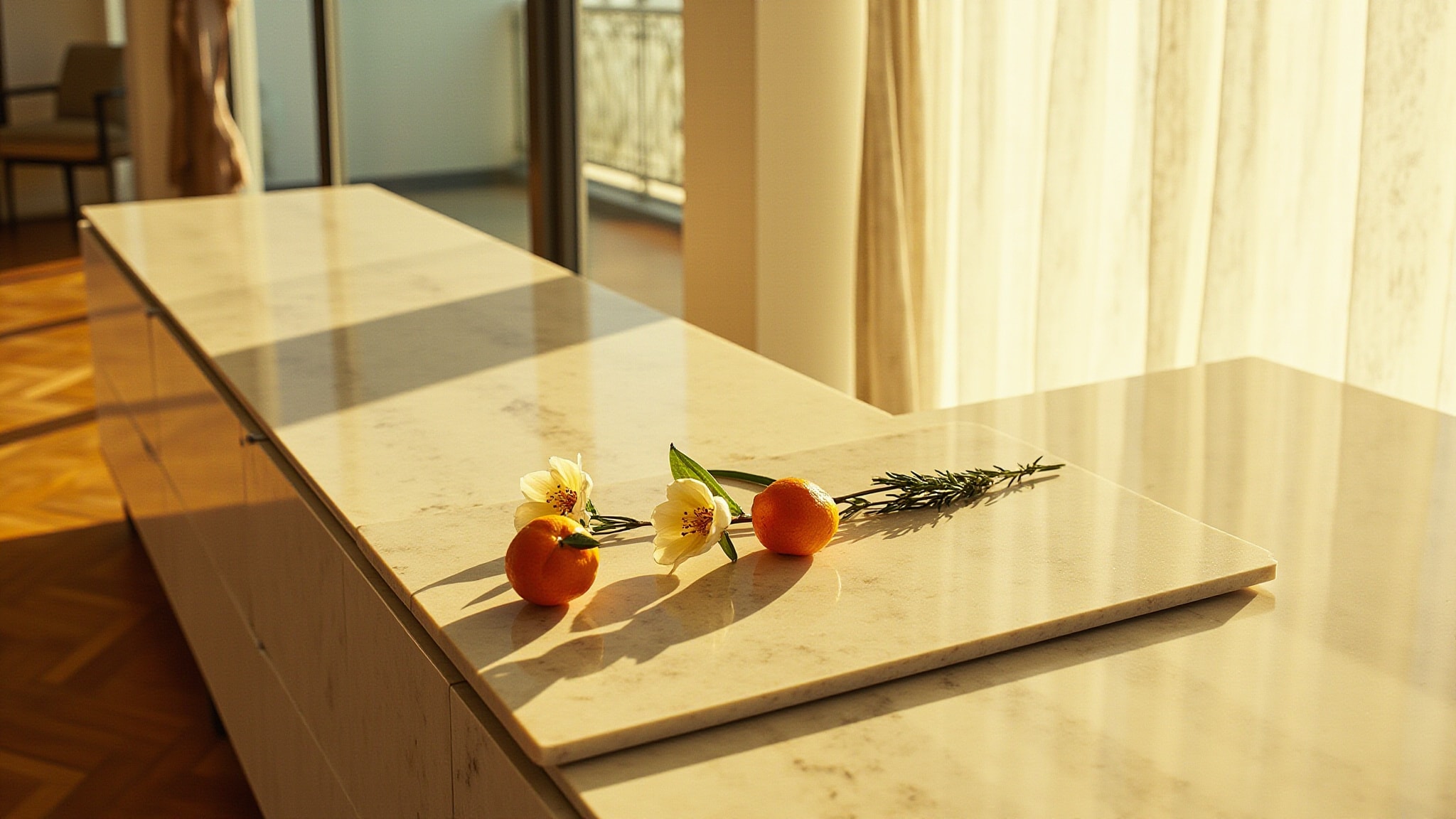
Zagara is the Sicilian word for orange blossom, and the fragrance wears the name like a map. The flower is the entire point. Acque di Italia built its debut composition around neroli and orange blossom, letting the blossom drive the scent from top to bottom. Neroli oil and orange blossom absolute carry the scent of sun-warmed petals and the bitter edge of leaf and twig, and the composition doesn't try to disguise what it smells like. The opening is almost aggressively floral, and anyone familiar with the raw material knows exactly the kind of intensity to expect. There's nothing smoothed over here, nothing abstracted into a generic Mediterranean idea.
The composition is a study in restraint. Rather than burying orange blossom under layers of white florals and musky sweetness, the formula lets it sit on top of the structure, where it can stay bright and recognizable. Citrus oils of bergamot and tangerine build a scaffold underneath the floral, giving it lift and preventing it from folding into something dense or soapy. Rosemary, lavender, and clary sage add a Mediterranean herbal edge that pushes the scent away from anything resembling a straightforward soliflore.
The evolution
The opening hits within the first fifteen minutes. Bergamot and tangerine spark, and the orange blossom rides high on top, sharp and almost edible in its honeyed intensity. The neroli is assertive at first. It doesn't politely introduce itself. There's a green, slightly bitter quality from the petitgrain side of the blossom, the smell of stems and torn leaves rather than just petals. The first hour feels vivid and direct, the floral carrying the full weight of the composition while the citrus oils shimmer underneath. As the citrus begins to settle, the aromatics start to take over. Rosemary arrives with a cool, camphorated lift, lavender smooths the edges, and clary sage adds a softer, almost musky warmth underneath. The orange blossom stays present but loses some of its sharpness, becoming creamier and more rounded as the green facets recede.
Cultural impact
Zagara di Sicilia has earned attention for its commitment to neroli-forward composition, leaning into the raw, almost agricultural quality of the flower rather than smoothing it into a conventional cologne template. It appeals to wearers who find most citrus fragrances too fleeting or too synthetic, offering the brightness of neroli with enough aromatic and woody structure to carry through a full day. The fragrance doesn't apologize for being specific.