


    Brand Profile

    Acque di Italia translates the geography of Italy into scent. The brand gathers botanicals from Sicily, Amalfi, Trentino and other regions,…More

    Italy·Est. 2015·Site

    3.0

    Rating

    10
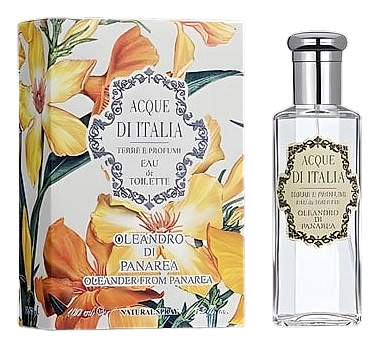
    Oleandro di Panarea by Acque di Italia
    3.0

    Oleandro di Panarea

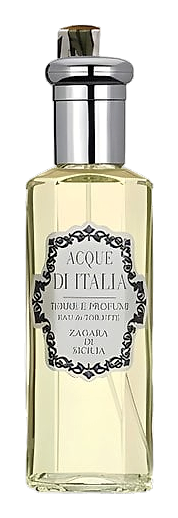
    Zagara di Sicilia by Acque di Italia
    Best Seller
    4.6

    Zagara di Sicilia

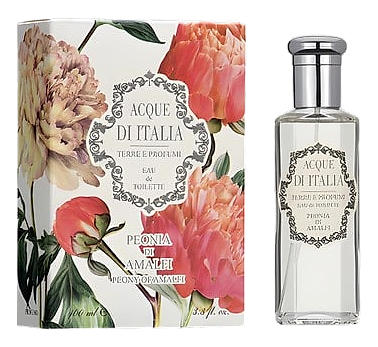
    Peonia di Amalfi by Acque di Italia
    Best Seller
    4.5

    Peonia di Amalfi

    Muschio del Trentino by Acque di Italia
    Best Seller
    4.2

    Muschio del Trentino

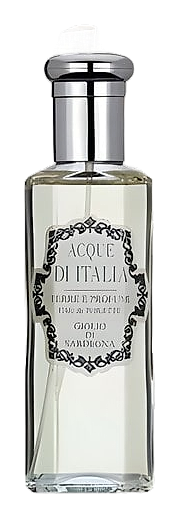
    Giglio di Sardegna by Acque di Italia
    4.2

    Giglio di Sardegna

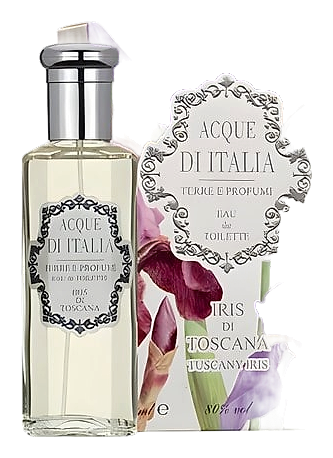
    Iris di Toscana by Acque di Italia
    4.1

    Iris di Toscana

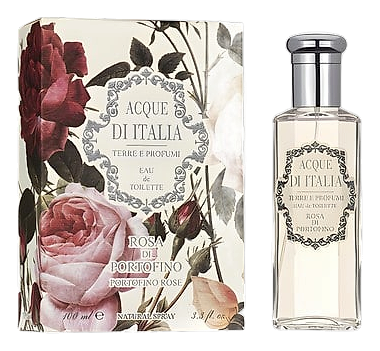
    Rosa di Portofino by Acque di Italia
    4.0

    Rosa di Portofino

    Ambra di Venezia by Acque di Italia
    4.0

    Ambra di Venezia

    Cedro di Pantelleria by Acque di Italia
    3.6

    Cedro di Pantelleria

    Gran Bouquet Italiano by Acque di Italia
    3.5

    Gran Bouquet Italiano

    The Heritage

    The Story of Acque di Italia

    Acque di Italia translates the geography of Italy into scent. The brand gathers botanicals from Sicily, Amalfi, Trentino and other regions, then blends them into modern, wearable fragrances. Its catalogue includes Zagara di Sicilia, Peonia di Amalfi, Muschio del Trentino, Giglio di Sardegna, Iris di Toscana, Rosa di Portofino, Ambra di Venezia, Cedro di Pantelleria, Gran Bouquet Italiano and Oleandro di Panarea. Each bottle promises a short trip across the peninsula, inviting the wearer to explore the country through aroma.

    Heritage

    Acque di Italia emerged in 2015 when Luca Gallo, a former marketing executive with a lifelong fascination for Italian terroir, decided to create a fragrance house rooted in place. He opened the first studio in Milan and recruited a small team of perfumers and botanists. The inaugural launch, Zagara di Sicilia, arrived in early 2016 and featured orange blossom harvested from organic groves near Agrigento. The fragrance earned positive coverage in niche‑perfume blogs and established the brand’s reputation for regional authenticity. In 2018 the company opened a research lab in Florence, where it began collaborating directly with local farms to source raw materials. That year it also introduced Peonia di Amalfi, a scent built around pink peony cultivated on the cliffs of the Amalfi Coast. 2020 marked the release of Gran Bouquet Italiano, a complex composition that layers notes from five distinct Italian regions, demonstrating the brand’s ambition to tell a broader story of the nation. The following year Acque di Italia entered the United States market through a partnership with a boutique distributor in New York, expanding its reach while keeping production in Italy. In 2022 the house celebrated its seventh anniversary with a limited‑edition series that highlighted rare ingredients such as Trentino’s alpine moss and Sardinia’s wild lily. The most recent milestone, announced in 2024, is the launch of Iris di Toscana, a fragrance that uses iris roots grown in the Tuscan hills and showcases the brand’s continued commitment to sustainable sourcing. Throughout its decade, Acque di Italia has remained independent, avoiding acquisition offers and preserving a small‑batch production model that aligns with its original vision of place‑driven perfumery.

    Craftsmanship

    Acque di Italia follows a hands‑on production process that begins in the fields. The brand works with small farms in Sicily, Amalfi, Trentino, Sardinia, Tuscany, Liguria and other locales, arranging seasonal visits to verify harvest practices. After the botanicals are collected, they travel to the brand’s Florence laboratory, where a team of perfumers and chemists conducts cold‑extraction or steam‑distillation to preserve the integrity of each note. The house prefers natural absolutes and essential oils, supplementing them with a limited amount of synthetics only when they enhance stability or longevity. Once the fragrance oil is formulated, it undergoes a three‑month maturation in glass vessels stored at controlled temperature and humidity, a step the brand credits for achieving depth and balance. Quality control includes gas‑chromatography analysis to confirm purity and batch consistency. Bottles are poured by hand in a small facility near Milan, using recycled glass that the brand sources from local manufacturers. Each bottle receives a hand‑applied label printed on seed‑paper, a material that can be planted after use. The final product is sealed with a cork that the brand sources from sustainable cork oak forests in Portugal, completing a supply chain that emphasizes traceability and environmental respect.

    Design Language

    Acque di Italia’s visual identity mirrors its olfactory focus on place. The brand adopts a minimalist label design that features a thin, sans‑serif typeface and a subtle watercolor illustration of the region that inspired the scent. Bottles retain a classic rectangular silhouette, but the glass is tinted to reflect the hue of the primary ingredient – for example, a soft amber for Ambra di Venezia or a pale green for Cedro di Pantelleria. The caps are crafted from brushed aluminum or natural cork, offering tactile contrast. Packaging boxes use recycled kraft paper, printed with matte foil accents that echo the colors of the Italian landscape. Marketing imagery often shows the fragrance alongside photographs of the corresponding locale, reinforcing the narrative of travel. The brand’s website follows the same clean aesthetic, with ample white space, high‑resolution photography, and concise copy that lets the scent story speak for itself.

    Philosophy

    Acque di Italia believes that scent can map a landscape. The brand’s creative vision places geography before trend, letting the character of a region dictate the structure of each perfume. It values transparency, so it publishes the origin of every botanical on its website and works with growers who practice organic or biodynamic methods. The house treats fragrance as a dialogue between nature and craft, encouraging perfumers to interpret local flora rather than impose a predefined style. Sustainability informs every decision: the brand selects ingredients that can be harvested without harming ecosystems, and it invests in reforestation projects in the areas that supply its raw materials. Acque di Italia also supports cultural heritage by partnering with regional artisans for packaging and by sponsoring events that celebrate Italian culinary and artistic traditions. This approach creates a sense of stewardship, inviting consumers to feel part of a larger story about Italy’s natural and cultural wealth.

    Key Milestones

    2015

    Luca Gallo founded Acque di Italia in Milan, establishing a mission to capture Italian terroir in fragrance.

    2016

    Launched Zagara di Sicilia, the first fragrance built around organically harvested orange blossom from Agrigento.

    2018

    Opened a research lab in Florence and introduced Peonia di Amalfi, sourced from peonies grown on the Amalfi cliffs.

    2020

    Released Gran Bouquet Italiano, a multi‑regional composition that combined ingredients from five Italian areas.

    2022

    Celebrated the brand’s seventh anniversary with a limited‑edition series featuring rare Trentino moss and Sardinian lily.

    2024

    Unveiled Iris di Toscana, highlighting iris roots cultivated in Tuscan hills and reinforcing the brand’s sustainability program.

    At a Glance

    Brand profile snapshot

    Origin

    Italy

    Founded

    2015

    Heritage

    11

    Years active

    Collection

    1

    Fragrances released

    Avg Rating

    3.0

    Community sentiment

    acqueditalia.com

    Did You Know?

    Interesting Facts

    Distinctive details and defining moments that shape the house personality.

    01

    Acque di Italia sources orange blossom from a single family farm in Sicily that has cultivated the crop for three generations.

    02

    Each bottle’s label is printed on seed‑paper; consumers can plant the paper to grow wildflowers native to the fragrance’s region.

    03

    The brand’s cork caps come from certified sustainable cork oak forests in Portugal, supporting biodiversity in the Mediterranean basin.

    04

    Acque di Italia collaborates with local artisans to create custom wooden boxes for its limited‑edition releases, preserving traditional Italian woodworking techniques.