The Story
Why it exists.
The beginning
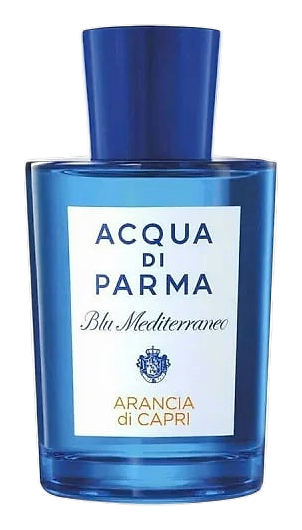
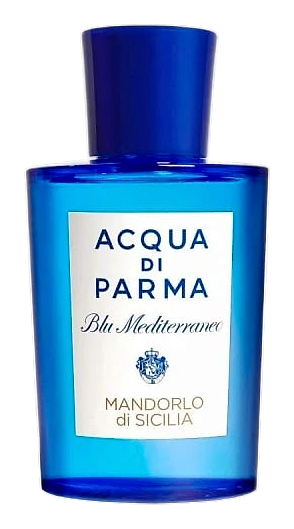
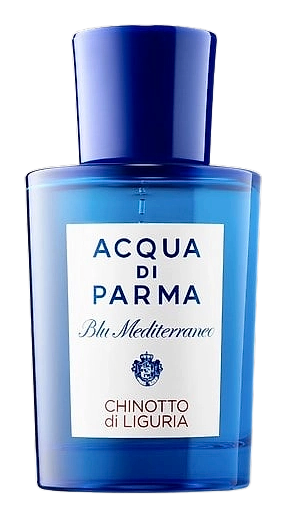
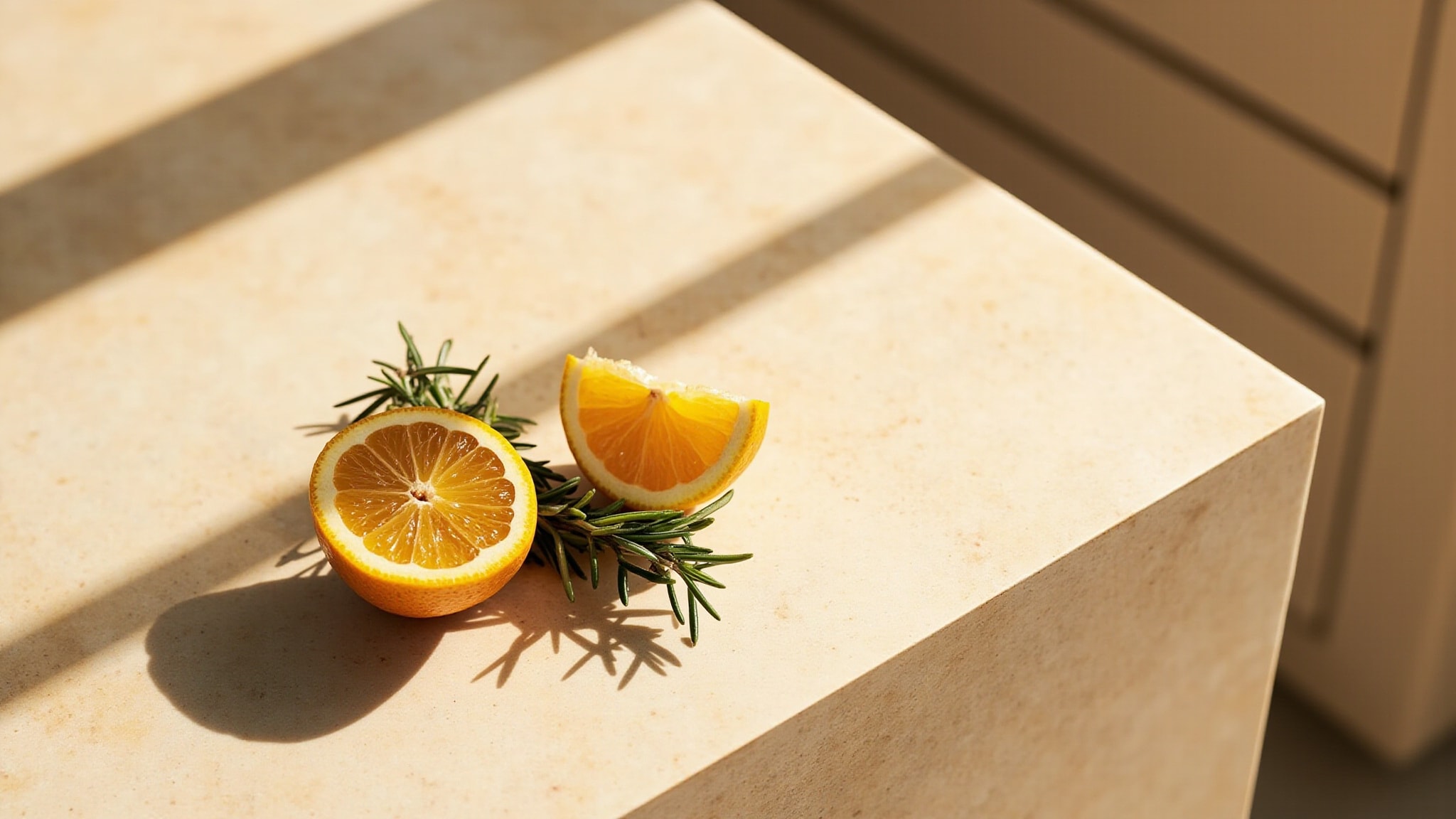
The Chinotto di Liguria is part of Acqua di Parma's Blu Mediterraneo collection, a line that translates the sensory landscape of the Italian coastline into fragrance. The city of Chinotto, a bitter citrus fruit from the myrtle family, grows along the rocky Ligurian coast, smaller and more aromatic than a standard orange. It carries an unmistakable bittersweetness that most perfumers avoid. François Demachy didn't avoid it. He built the entire composition around it, letting the chinotto define the fragrance's character from first spray to final drydown.
What makes this composition unusual is the tension between bitter and sweet that never fully resolves. The chinotto opens sharp and almost astringent, but the mandarin softens it just enough to keep the fragrance approachable. The herbal heart, rosemary, geranium, adds an aromatic dimension that most citrus fragrances skip entirely, moving the scent away from the clean-soap register into something with more texture and complexity. Cardamom appears in the heart, not the opening, which is an unusual placement that keeps the warmth subtle rather than obvious. The base of musk and patchouli anchors everything without ever becoming heavy, it's the quiet exhale after the citrus has said its piece.
The evolution
The opening hits bright and sharp. Chinotto and mandarin arrive together, the citrus reading more bitter than sweet for the first few minutes. Within fifteen minutes the mandarin softens and the rosemary takes over, green and alive, shifting the fragrance from fruity to aromatic. The jasmine appears around the thirty-minute mark, bringing a creaminess that calms the herbs. Geranium adds a floral-spice that keeps the heart from becoming too green. By the second hour the patchouli arrives, earthy, grounded, and the citrus finally recedes to a background note. The drydown is where this fragrance earns its reputation. Musk and patchouli linger close to the skin for hours, warm without being heavy, present without projecting. On fabric it survives into the next day.
Cultural impact
Chinotto di Liguria occupies a specific space in the Mediterranean citrus category, more aromatic and bitter than most, with an herbal heart that sets it apart from lighter coastal fragrances. It's the kind of scent that attracts people who appreciate complexity over simplicity, who want citrus that earns attention rather than commands it. The moderate sillage and workday longevity make it a practical choice as well as an aesthetic one.