Chinotto
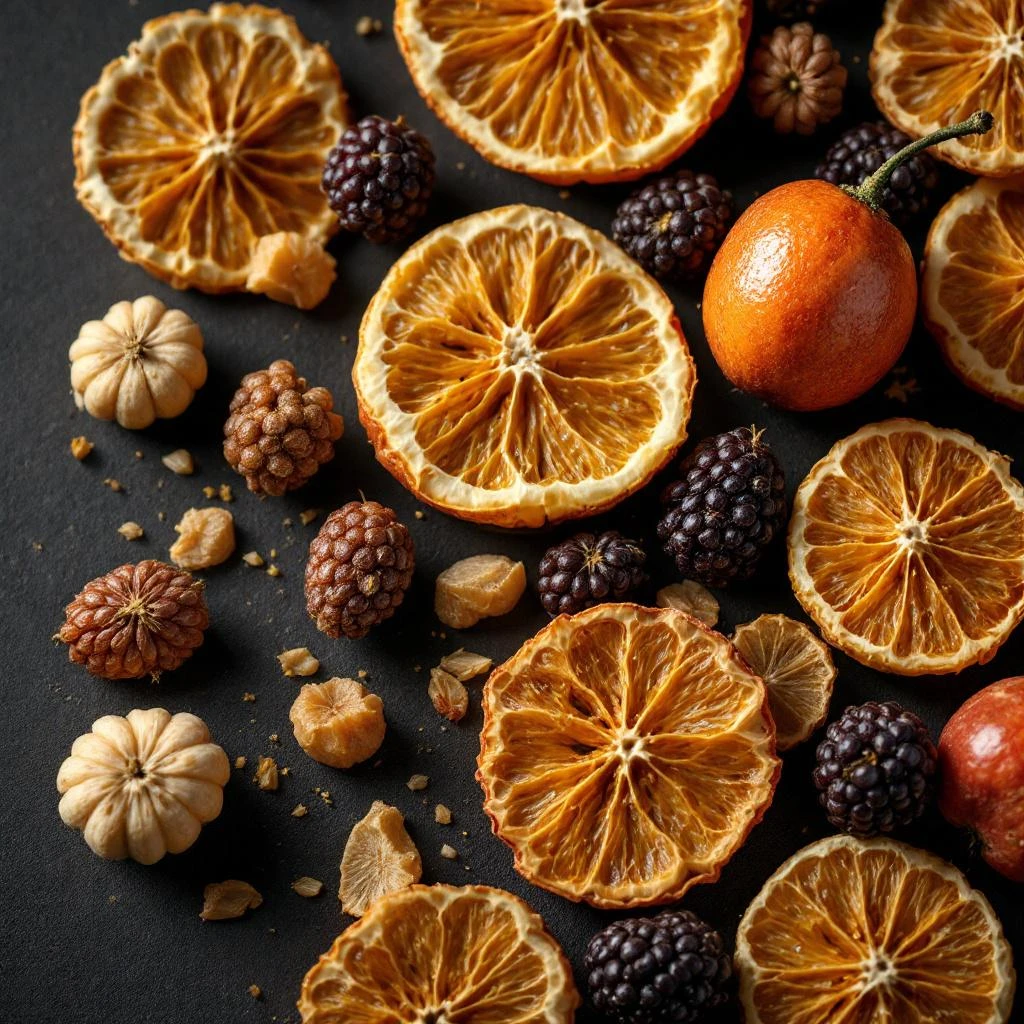
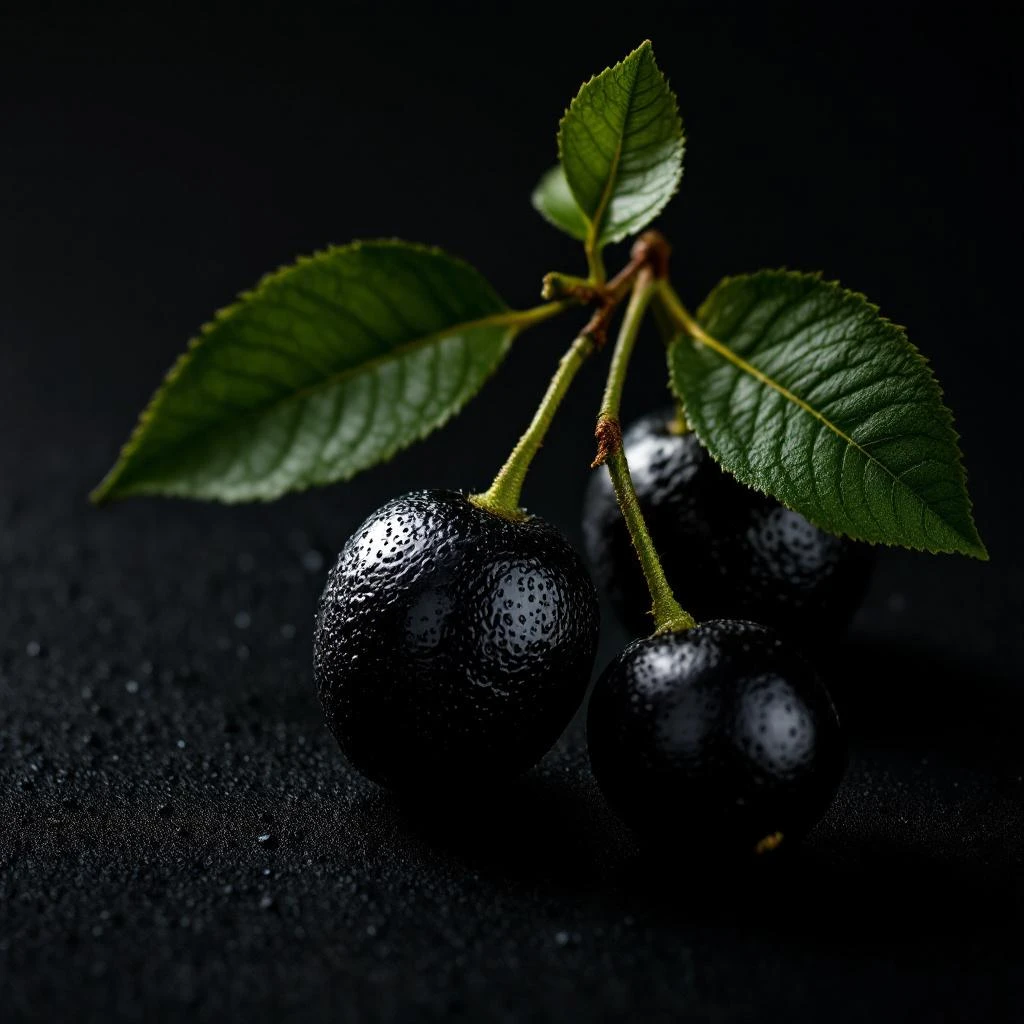
Chinotto is a compact, thorny citrus tree producing small, aromatic fruits with a bittersweet profile prized in perfumery and confectionery.
Character
How it smells
The bitter-sweet citrus of the Italian Riviera
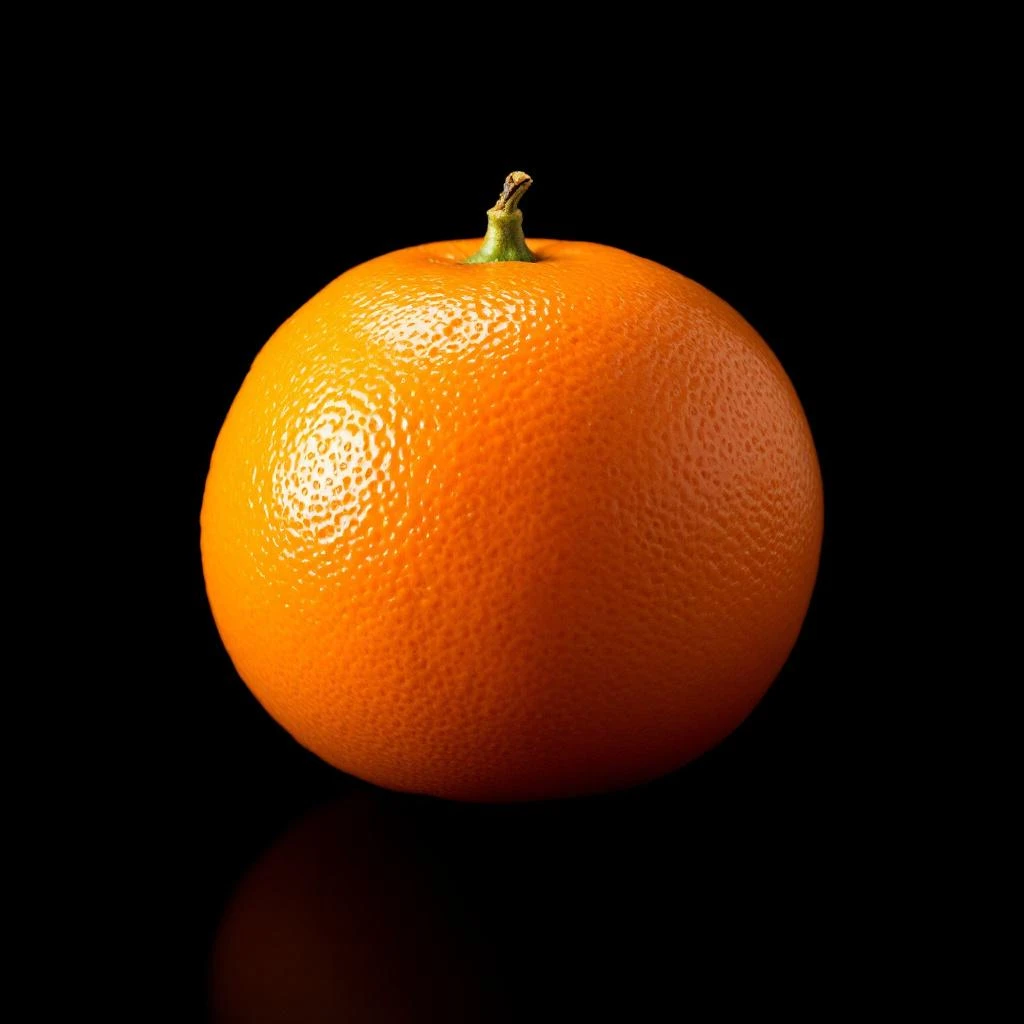
Chinotto arrived in Savona, Italy from China over 300 years ago—the same sailors who brought it became its first cultivators.






Origin
Italy
Chinotto entered Western cultivation around 300 years ago when a Savonese sailor carried the plant from China to Savona, Italy. The city's unique microclimate—mountains meeting the sea—proved ideal for this compact citrus tree.
Locals quickly adopted the bitter fruit for culinary purposes, eventually creating the carbonated Chinotto beverage that shares its name. Italian perfumers recognized the aromatic potential of both the flowers and the peel.
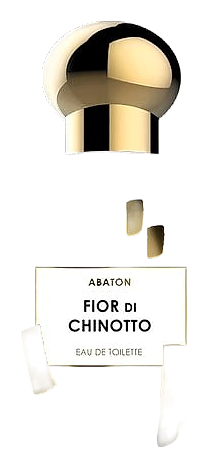
Marco Abaton, a native of Savona, has developed multiple fragrances dedicated to the ingredient, including Fior di Chinotto, which captures the essence of blossoms harvested across four separate collections. The ingredient bridges culinary tradition and fine perfumery, representing a rare example of a citrus note deeply rooted in a single Italian town's heritage.
Wears it best
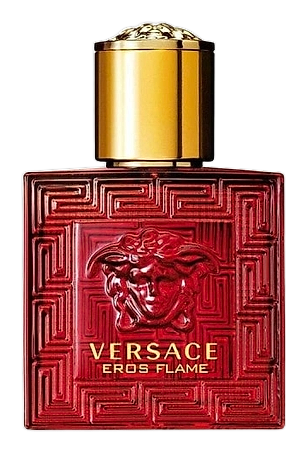
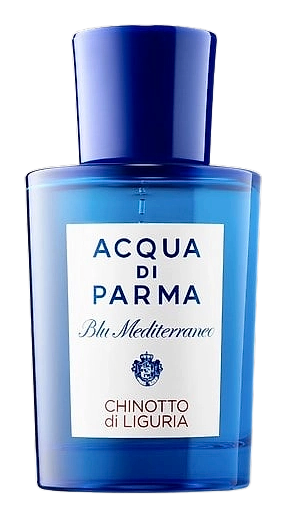
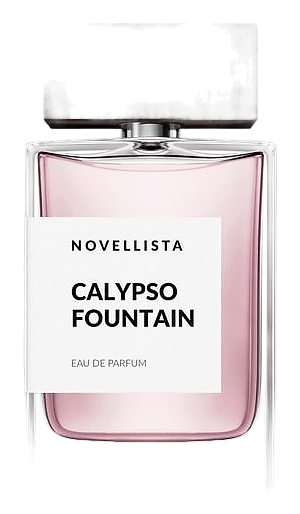
Fragrances featuring Chinotto
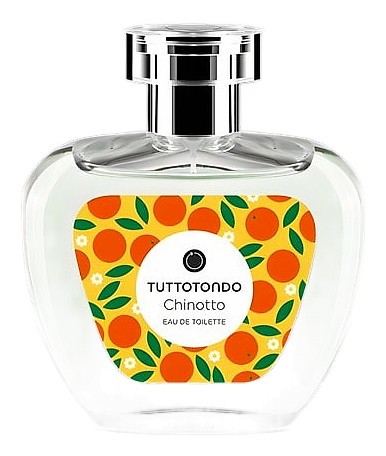
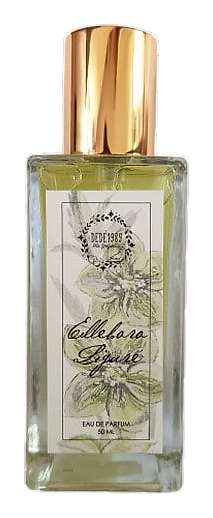
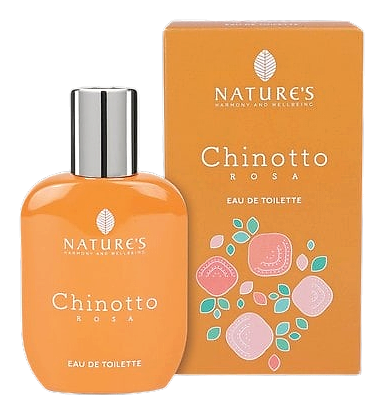
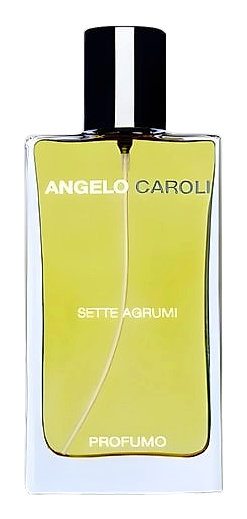
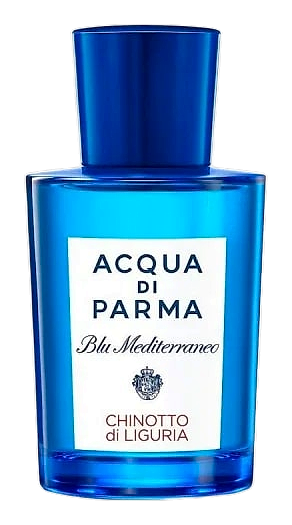
Brands
Brands known for Chinotto
Good to know
Questions, answered
The essentials on Chinotto in perfumery: how it smells, where it comes from, and how it behaves on skin.
What does Chinotto smell like?
Chinotto has a bitter-sweet citrus aroma distinct from common oranges. The peel oil carries bright, tart top notes with an underlying herbal bitterness, while the flowers add delicate floral sweetness. It reads as a more complex, bittersweet citrus compared to sweet orange.
Where does Chinotto originate?
Chinotto traces its roots to China, brought to Savona, Italy around 300 years ago. Savona remains its primary cultivation center, thriving in the city's distinctive mountain-to-sea climate. Italian perfumers now consider it a regional specialty ingredient.
How is Chinotto oil extracted?
Cold pressing extracts oil from the peel, rupturing oil glands through rasping or rolling. Flower absolutes come from solvent extraction. Cold pressing preserves the fresh, bright citrus character with characteristic bitter undertones.
What parts of the Chinotto plant are used in perfumery?
Perfumers use the fruit peel for essential oil and flower petals for absolutes. The small, thorny fruits are too bitter for direct use but yield aromatic extracts prized for their complex citrus-bitter profile.
Is Chinotto related to regular oranges?
Chinotto (Citrus myrtifolia) is a distinct citrus species, technically a bitter orange variety. It produces smaller, denser fruits with distinctly different aromatic compounds than common sweet oranges.
What makes Chinotto different from other citrus in perfumery?
Chinotto's bitter-sweet complexity sets it apart from sweeter citrus oils. The peel oil contains specific bitter compounds absent in sweet orange, giving fragrances a more sophisticated, multi-layered citrus character.
Can Chinotto be synthesized artificially?
Synthetic alternatives to specific Chinotto compounds exist, but natural extraction remains preferred for authentic expression. The ingredient's appeal lies in its natural balance of citrus, bitterness, and floral notes.
What fragrance families use Chinotto?
Chinotto appears across citrus, aromatic, and fougère families. Perfumers pair it with absinthe, juniper, and incense for contrasting effects, or keep it bright with green notes and florals. Unisex and masculine fragrances commonly feature this note.