The Story
Why it exists.
The beginning
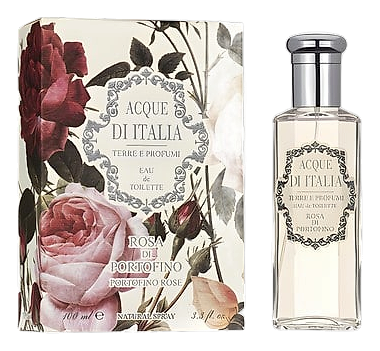
Portofino sits on the Ligurian coast, a small harbor village where pastel houses lean toward the water and the sea breeze threads salt through everything it touches. Rosa di Portofino takes that geography as its starting point: a place where roses climb pale walls and the air carries the mineral coolness of the Mediterranean. The fragrance reads as a study in white florals lifted by coastal air, a composition built to evoke the Italian coastline without tipping into postcard territory. Aquatic notes give the top a translucent, almost briny clarity, while white rose and supporting florals unfold in the heart with a brightness that feels pulled from sunlight on stone.
What gives this rose its particular character is the way the notes are stacked. Rather than building around a single dominant flower, the composition layers white florals over the rose and threads aquatic notes through the top to keep the whole thing translucent and lifted. Carnation steps in with a clove-cool warmth that anchors the heart, stopping it from sliding into the soapy territory that white florals can drift toward when they aren't balanced.
The evolution
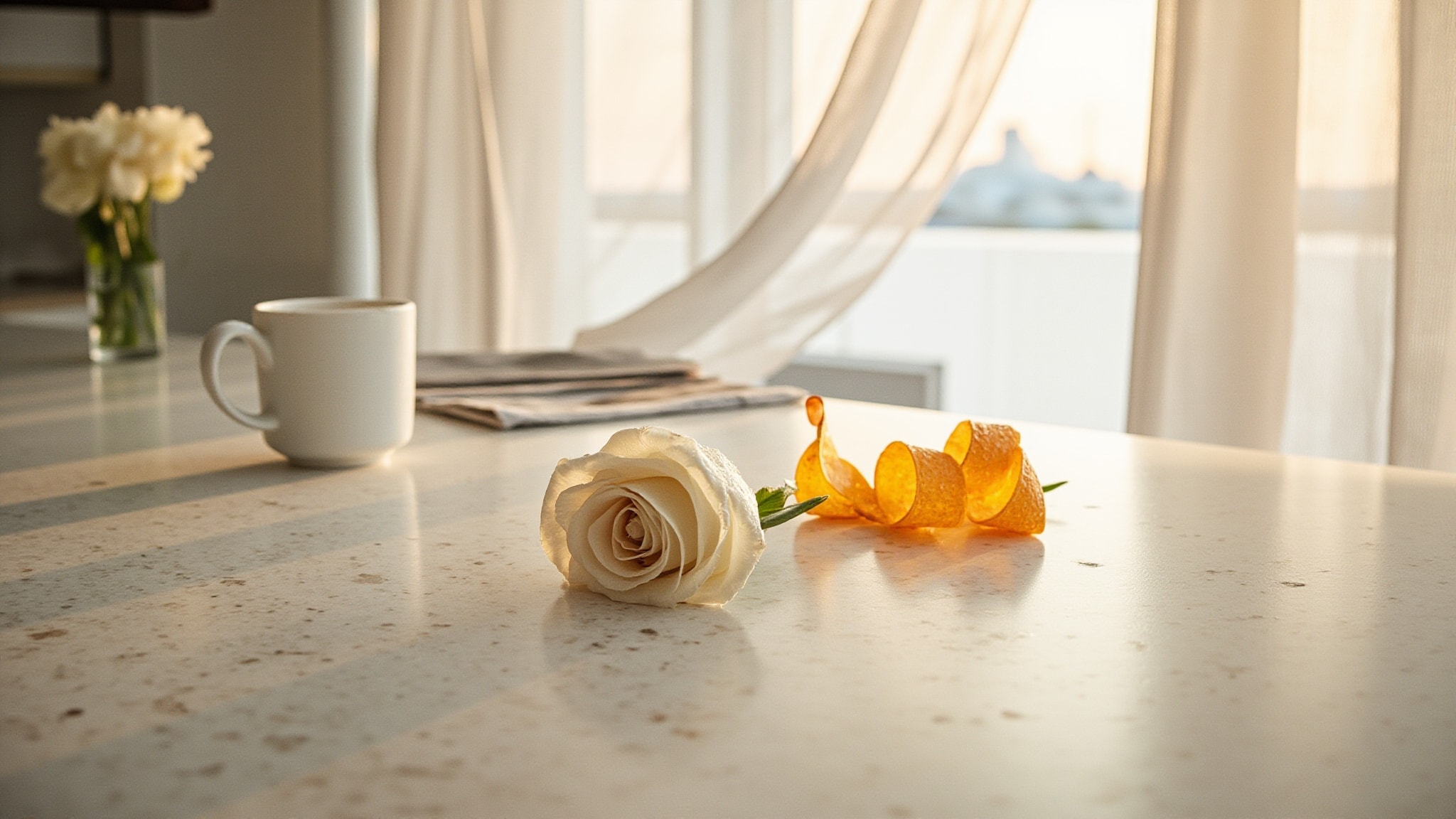
What begins as a bright splash of mandarin orange and cool aquatic notes opens up into a romantic heart of white rose, then settles onto skin without losing its airy lift. The citrus top arrives brisk and almost salty, sharpened by the aquatic notes into something that feels closer to open water than to a perfume counter, before the petals begin to unfurl and soften every sharp edge. In the drydown, the white rose holds onto its dewy freshness rather than tipping into powder, so the scent keeps a quiet luminosity all the way through. The base settles into something clean and floral with a trace of musk and fruit skin still discernible, the kind of quiet trail that draws a second sniff from anyone close enough to catch it.
Cultural impact
Rosa di Portofino occupies a specific corner of the rose-fragrance conversation: clean, aquatic-leaning white florals built around a rose that never tries to dominate. The composition reads lighter and more accessible than darker rose archetypes, closer to the world of bright daytime florals than to richer, more intense constructions. For wearers who want florality without formality, who treat luxury as restraint rather than density, the scent delivers on a quiet kind of polish.