The Story
Why it exists.
The beginning
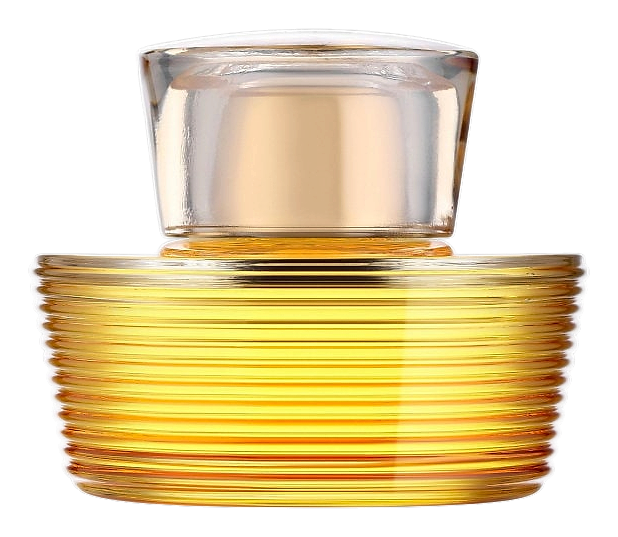
Profumo launched in 1930, a fragrance born from Acqua di Parma with a name that means simply "perfume" in Italian. There is something quietly confident about that choice, a statement of intent dressed in simplicity rather than flourish. The composition reportedly drew on more than 300 individual ingredients, a staggering ambition for the era and a sign of how seriously the house approached the project. Where many scents of the period leaned toward single-note brightness, Profumo reached for richness and depth from the very first formulation. The juice itself carries a warmth that feels meant for evening, for low light and close conversation, for the kind of moment when understatement reads as its own form of luxury.
The original formula has been reworked several times since that debut in 1930. The current version, composed by Nathalie Lorson and released in 2008, preserves the original blueprint while updating the materials for modern noses. What's fascinating is how the chypre architecture holds everything together. Labdanum absolute, Bulgarian rose, and jasmine form a heart that's both resinous and floral, a layered construction where each ingredient pulls its weight. The labdanum adds an almost amber-like richness without tipping into sweetness, grounding the florals with its warm, sticky depth.
The evolution
The opening arrives with a surprising softness. Bergamot sparkles briefly at the surface, then ylang-ylang takes hold with its creamy, custard-like sweetness, tempered by peony's clean coolness. In the earliest phase, Profumo wears almost like a soliflore, a single creamy white floral sitting close to the skin and projecting gently outward. Then the transition begins, subtle but unmistakable. Labdanum absolute rises through the heart, warming everything it touches, while Bulgarian rose deepens and jasmine adds its honeyed, slightly indolic edge. The scent shifts from bright to resinous, from light to candlelit, as the composition settles into its middle act. The drydown is where Profumo settles into its true identity.
Cultural impact
Profumo holds an established place among the classical chypre florals of the early 20th century, fragrances built on a mossy, resinous architecture that was once the backbone of fine feminine perfumery. The composition shares clear kinship with Guerlain's Mitsouko, another chypre floral from the same era that treated depth and longevity as non-negotiable virtues. Both fragrances approach perfumery as construction, layering materials so that the whole outlasts its parts. What makes Profumo distinctive is its particular balance of labdanum and rose, its willingness to lean into warmth without sacrificing clarity.