The Story
Why it exists.
The beginning
In 2009, Pierre Montale turned his attention to a fragrance family rooted in French perfumery tradition, the chypre, and asked what would happen if he infused it with the lush, unapologetic fruit notes he'd encountered in the East. Chypre Fruite was the answer: a bridge between two worlds. The citrus-bright opening of bergamot and white florals meets tropical sweetness at the heart, before oakmoss and patchouli ground everything in the earthiest, most confident drydown imaginable.
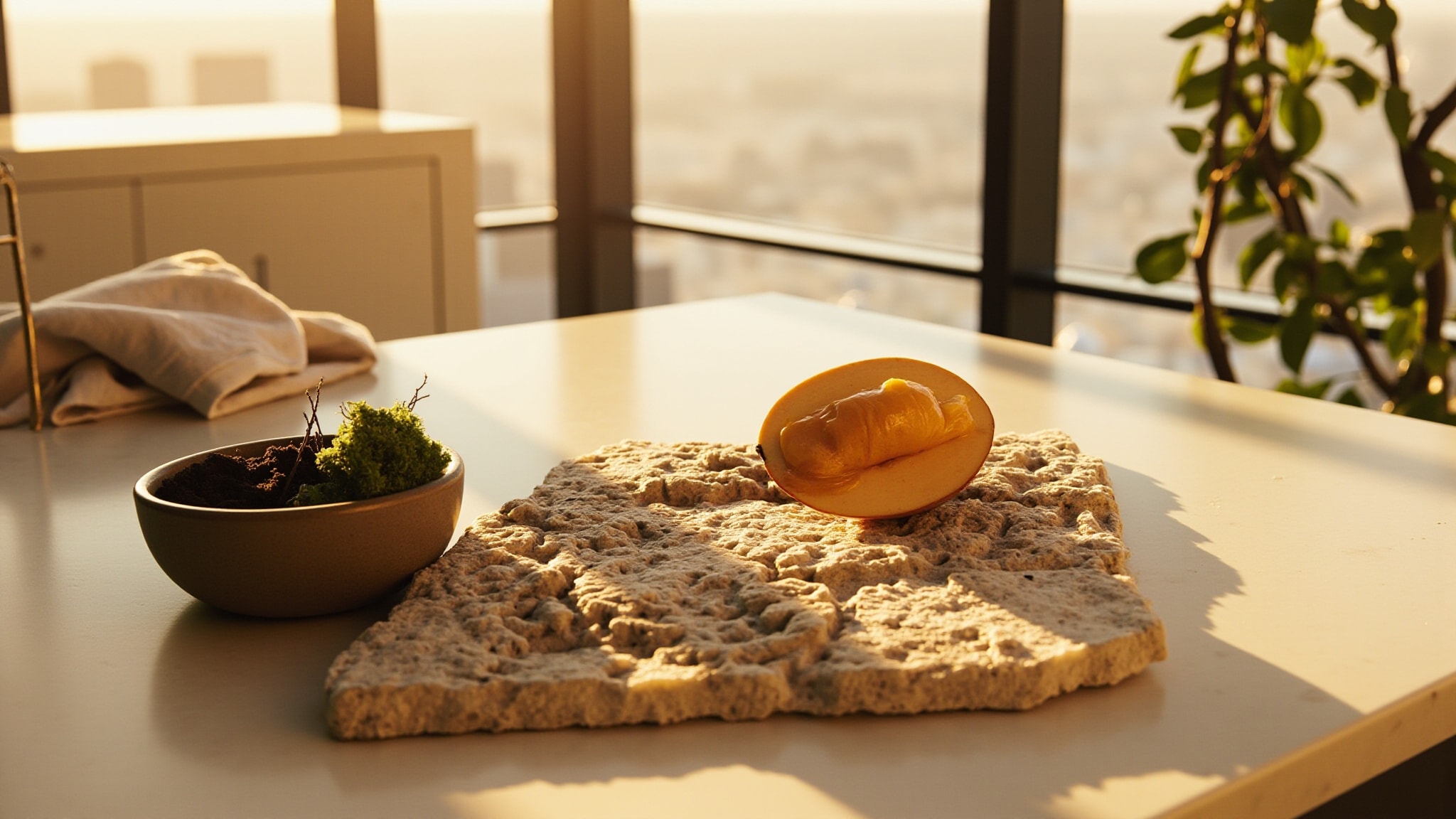
What makes this composition work is the tension between sweetness and structure. The tropical fruits don't simply soften the chypre, they transform it. The oakmoss and patchouli at the base are classic chypre materials, but here they're pushed into conversation with mango-sweetness and a musky warmth that keeps everything grounded. The result is a chypre that wears its fruit on the outside but keeps its mossy backbone intact. It's the kind of fragrance that rewards wearers who appreciate the genre's history but want something that doesn't require a decoder.
The evolution
The first hour belongs to the fruit, bright, almost candy-like in the best way, with bergamot cutting through the sweetness just enough to keep it from cloying. Jasmine and rose emerge gradually, adding complexity without stealing focus. By hour two, the handoff begins. Oakmoss arrives quietly at first, lending a mineral dampness that contrasts with the tropical warmth still hanging in the air. Then the patchouli takes over. It doesn't dominate so much as settle, a warm, sweet earthiness that outlives everything else by two or three hours. The musk bridges the gap between fruit and forest floor, keeping the transition smooth rather than jarring. On fabric, expect the patchouli to linger into the next day. On skin, six to eight hours with moderate sillage, present enough to be noticed, restrained enough to invite closer inspection.
Cultural impact
Chypre Fruite occupies an interesting space in Montale's catalog, a fruity chypre in a house known for bold Orientalism. Released in 2009, it reflects an era when Western audiences were becoming more receptive to Middle Eastern fragrance conventions: high concentration, long wear, unapologetic presence. The fragrance appeals to those who appreciate the chypre family's structural elegance but want something with more warmth and accessibility. Wearers describe it as the scent of someone who knows what they want, fruity enough to intrigue, grounded enough to trust.