
The Story
Why it exists.
The beginning
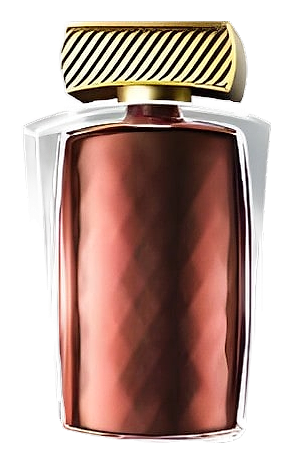
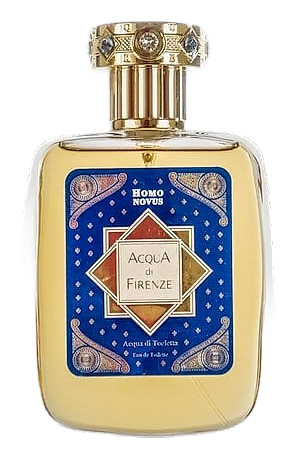
Homo Novus draws its name from the Renaissance concept of the "new man," and Acqua di Firenze anchored it to a singular icon: Michelangelo's David. Not the biblical David, not the heroic statue of civic pride, but the actual carving in the Accademia. The fragrance was conceived as an olfactory portrait of that figure, the perfumer Lanto translating this into a composition anchored by cypriol, Florentine iris, and oud. A user review confirms the brand's website cites Michelangelo's David as the inspiration point. The cypriol opens with a smoky, rooty weight that feels excavated rather than applied. The iris arrives with that powdery, earthy density that orris lovers chase, dignified and unsweetened, carrying the cool composure of carved marble.
What makes the composition worth a second look is the iris. Iris from this region carries a powdery, rooty density, earthy and dignified, never sweet. Paired with cypriol, also called nagarmotha, a grassy-scented oil distilled from a sedge root, the fragrance pulls toward a smoked-earth character that most oud compositions miss. The floral heart reads almost monastic, a quiet gravity that flattens everything else around it. Then labdanum and liquidambar at the top deliver a sticky, ambered warmth that anticipates the drydown's intensity.
The evolution
The first twenty minutes are deceptive. Bergamot cuts through, bright and bitter, almost bracing. Cypriol rises underneath it, smoky and rooty, already pulling you away from any citrus-and-go expectation. Liquidambar adds a syrupy, almost caramelized-resin edge that softens the opening without sweetening it. The iris arrives with full authority, powdery, rooty, slightly cold, settling into the composition with a gravity that flattens every lighter element around it. Carnation and ylang-ylang in the heart thicken the iris, adding a spiced, almost honeyed depth that makes the floral heart feel ecclesiastical rather than decorative. Violet sweetens the edges just enough to keep the iris from reading austere. Then the base takes over, and it doesn't let go. Sandalwood and agarwood (oud) dominate, their combined weight settling into something dense and unshakeable.
Cultural impact
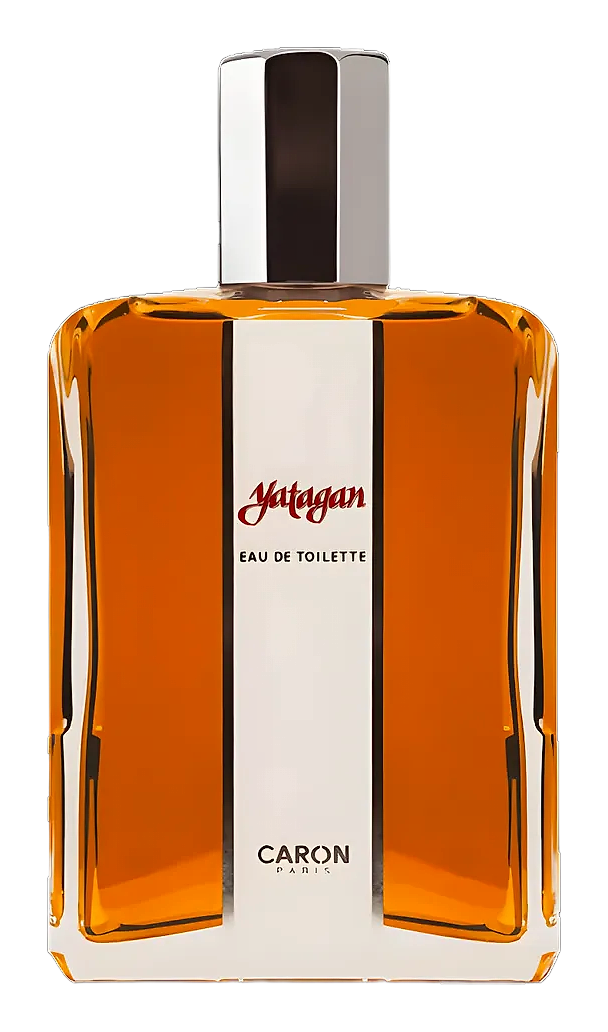
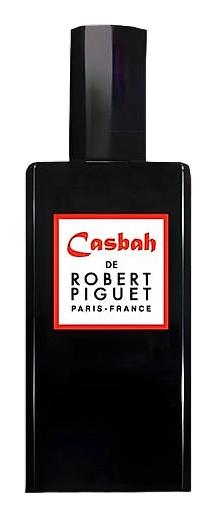
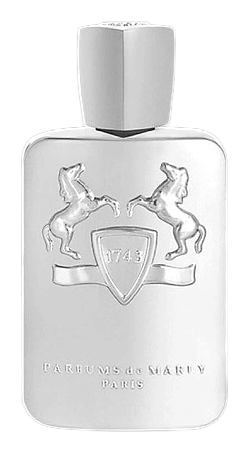
The Renaissance framing gives this fragrance an intellectual anchor, a concept beyond the bottle. The composition is dense, smoky, and unapologetically grown-up, the kind of scent that rewards close attention rather than casual wear. It's not built to please a room; it's built to express a particular sensibility, one tied to Florence, to carved marble, to the idea of the new man as an ideal rather than a slogan. On the community, wearers who enjoy Homo Novus also gravitate toward Tauer L'Air du Desert Marocain, Caron Yatagan, and Parfums de Marly Herod, all dense, smoky compositions with strong followings in niche perfumery circles.